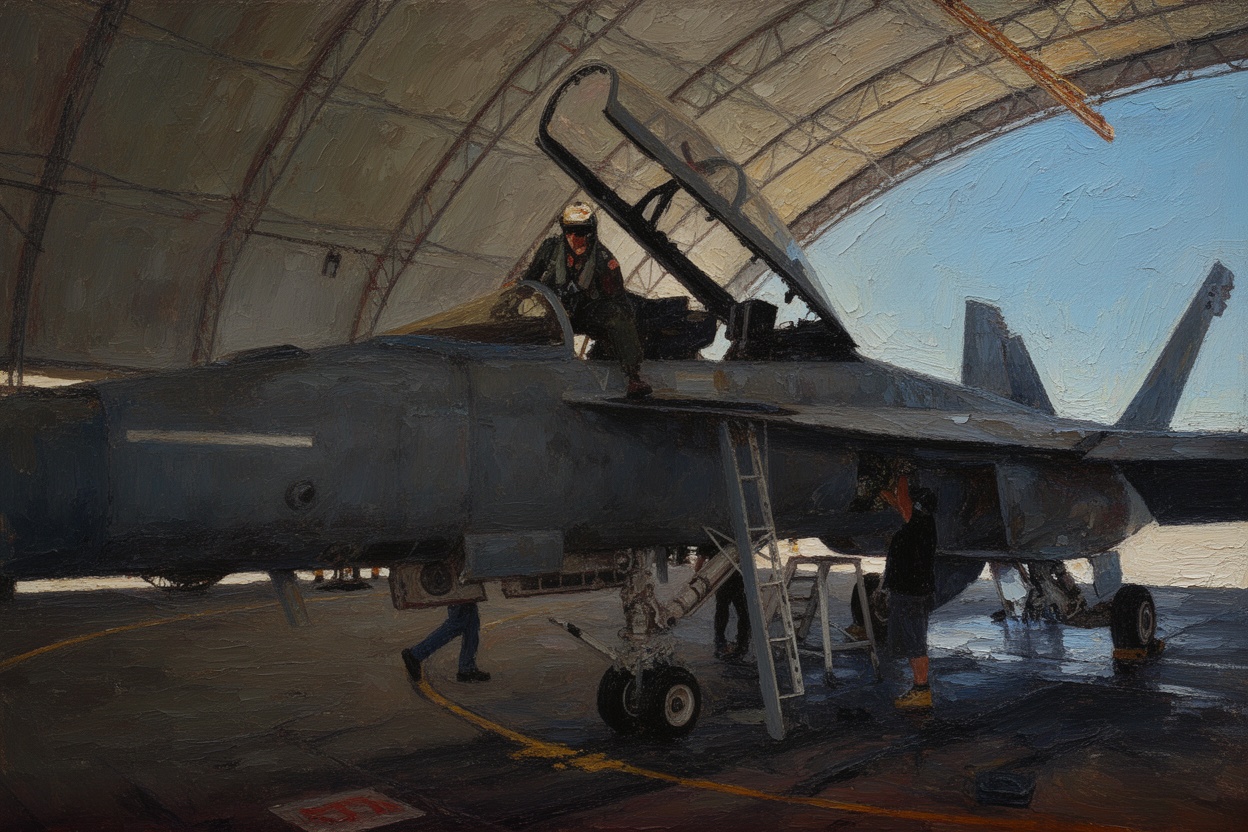
Navy's 3D Printing Could Halve Super Hornet Repair Time
The US Navy's introduction of 3D printing technology for F/A-18 Super Hornet repairs could lead to a 50% reduction in composite repair times. This advancement carries implications for operational efficiency and readiness.
The US Navy is set to revolutionize the maintenance of F/A-18 Super Hornet aircraft through the implementation of 3D printing technology. This innovative approach has the potential to reduce composite repair times by an impressive 50%, significantly improving turnaround times for critical repairs. Such a reduction could enhance combat readiness and ensure that fewer aircraft are out of service for extended periods.
The F/A-18 Super Hornet, a key asset in the US Navy's carrier strike groups, has been in service since the late 1990s. Maintenance and repair processes can often be time-consuming and costly, affecting the operational availability of these aircraft. By utilizing advanced 3D printing methods, the Navy aims to streamline its repair processes, providing on-demand components that can be produced quickly and efficiently.
Strategically, this development could bolster the Navy's operational capabilities by ensuring that aircraft are mission-ready more promptly. As adversaries enhance their own military capabilities, maintaining an edge in readiness becomes critically important. The move towards adopting 3D printing in military applications also reflects broader trends in defense modernization focused on innovation and efficiency.
Technical specifications regarding the 3D printing method have not yet been fully disclosed, but the technology is expected to utilize advanced composite materials specifically designed to withstand the rigors of flight. This change could lead to cost savings and increased efficiency in repair operations, further enhancing the sustainability of the fleet.
Looking ahead, if the 3D printing technology proves effective, it may be expanded beyond the Super Hornet program to other aircraft within the Navy's arsenal. Successful integration of this technology can potentially reshape maintenance strategies across the board, leading to greater agility in responding to repair needs and enhancing overall mission success rates.