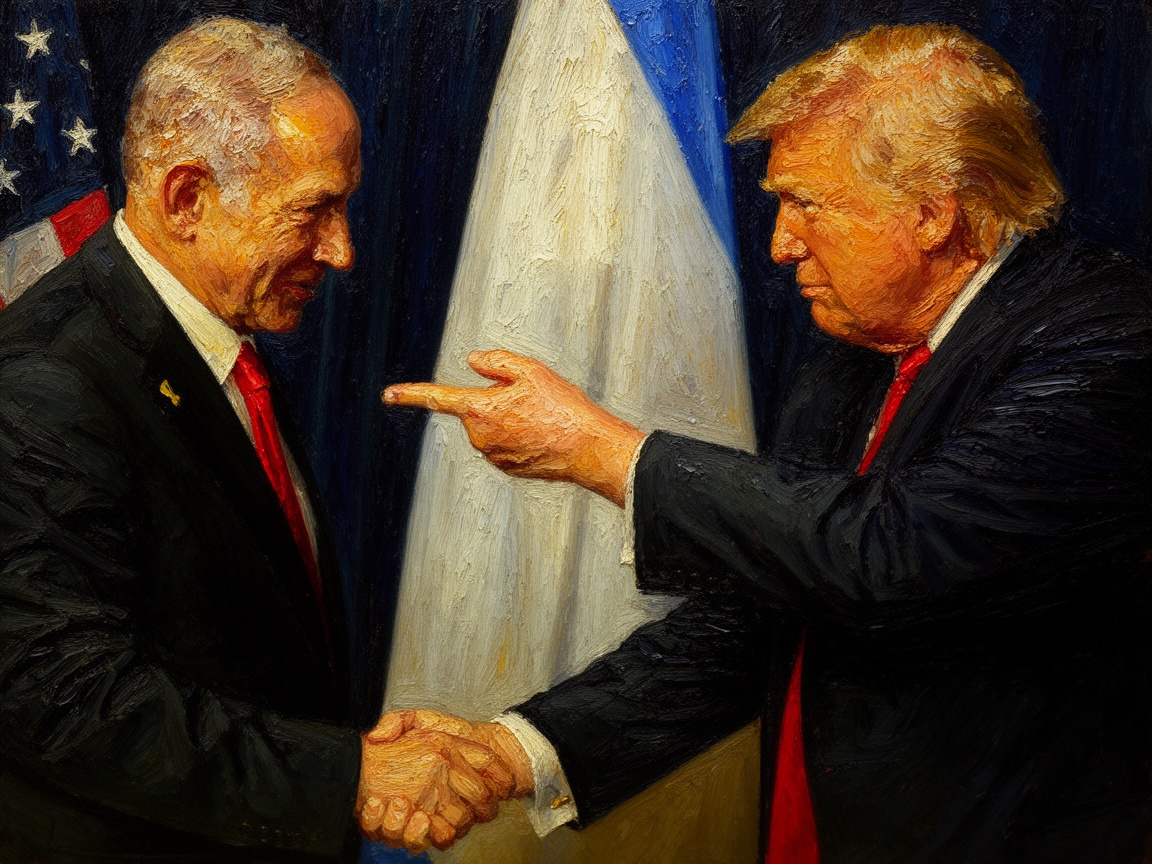
Netanyahu Faces Pressure from US, Iran, and Lebanon Conflict
Israeli Prime Minister Benjamin Netanyahu is navigating complex political dynamics as elections approach, balancing pressures from the US, threats from Hezbollah, and the fragile ceasefire with Iran. These factors contribute to an escalating political crisis ahead of the elections.
Israeli Prime Minister Benjamin Netanyahu is currently under significant pressure as electoral politics converge with international security issues. With elections looming, he finds himself caught in a difficult position between the demands of his voters, the expectations of the United States, and the ongoing tensions with Hezbollah in Lebanon. This situation is exacerbated by a ceasefire agreement that Israel has with Iran, further complicating Netanyahu's political landscape.
Netanyahu's government has faced criticism for its handling of security matters, particularly regarding the volatile situation in Lebanon, where Hezbollah continues to pose a significant threat. The relationship with the United States remains crucial, as Israeli defense strategies often rely on military and financial support from Washington. Recent developments, including a series of cross-border incidents, heighten concerns not just for Israel's national security but also for Netanyahu's political future.
Strategically, the intertwining of these issues presents a challenging scenario for Israel as it confronts both internal and external pressures. A robust approach is essential, especially with Hezbollah's military capabilities, which include advanced missile technology and drone warfare tactics. Meanwhile, the ceasefire with Iran adds another layer, as it involves delicate negotiations that could tip the balance of power in the region.
Operationally, artillery exchanges and aerial threats have intensified, requiring the Israeli Defense Forces to maintain a high state of readiness. Netanyahu's leadership is being tested as he must reassure both a concerned public and military officials about Israel's defense posture amid these dynamics. His approach to these crises could very well define the outcome of the upcoming elections.
Looking ahead, the convergence of domestic electoral pressures and international security challenges will likely continue to influence Netanyahu's decisions. Failure to address these issues effectively might not only jeopardize his position but also have repercussions for Israel's long-term national security strategy. As such, analysts are closely monitoring this situation for both immediate developments and its impact on the broader geopolitical landscape.