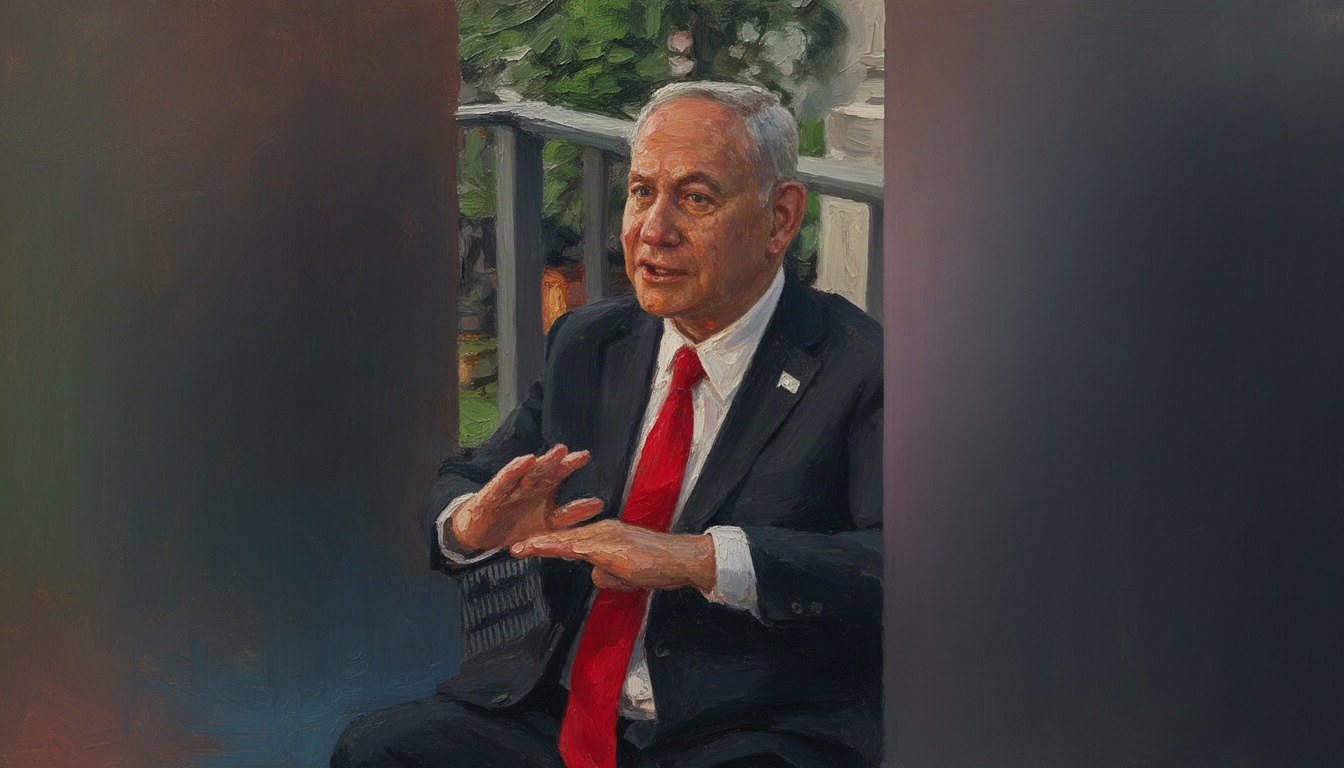
Netanyahu Rejects Gaza Deal, Vows Not to Withdraw Forces
Israeli Prime Minister Benjamin Netanyahu's refusal to comply with disarmament negotiations with Hamas highlights increasing tensions in the Gaza Strip. His statements may undermine ongoing ceasefire efforts.
Israeli Prime Minister Benjamin Netanyahu has explicitly rejected a deal proposed by US President Donald Trump regarding the disarmament of Hamas. In a video shared on social media, Netanyahu stated that the Israel Defense Forces (IDF) would not withdraw from their current positions in the Gaza Strip until Hamas is fully disarmed. This stance raises questions about the future of ceasefire negotiations, particularly those agreed upon in October.
The remarks from Netanyahu threaten to escalate tensions in an already volatile situation in Gaza. Observers note that the specifics of the proposed deal involve significant concessions from Hamas, which have not been embraced by the Israeli leadership. The ongoing conflict has led to extensive military presence and operations by the IDF in the region, with no signs of de-escalation.
Strategically, Netanyahu's position reinforces Israel's hardline stance on security and counter-terrorism amidst diplomatic pressures for a more peaceful resolution. The insistence on maintaining military presence compounds the already complex dynamics between Israeli and Palestinian authorities, potentially affecting various international mediators' roles.
The operational viability of the IDF in Gaza remains a critical factor for Israel. Military analysts highlight that the presence of troops and resources in the enclave hinges on security assessments regarding Hamas' capabilities. The IDF's operational disposition could be affected by potential counter-offensives from Hamas, should disarmament discussions falter.
In summary, Netanyahu’s definitive rejection of the Gaza deal signals a challenging path ahead for diplomatic initiatives in the region. The implications for Israeli-Palestinian relations are profound, and ongoing tensions could lead to further military escalations if both sides are unable to reach a consensus on the future of Gaza.