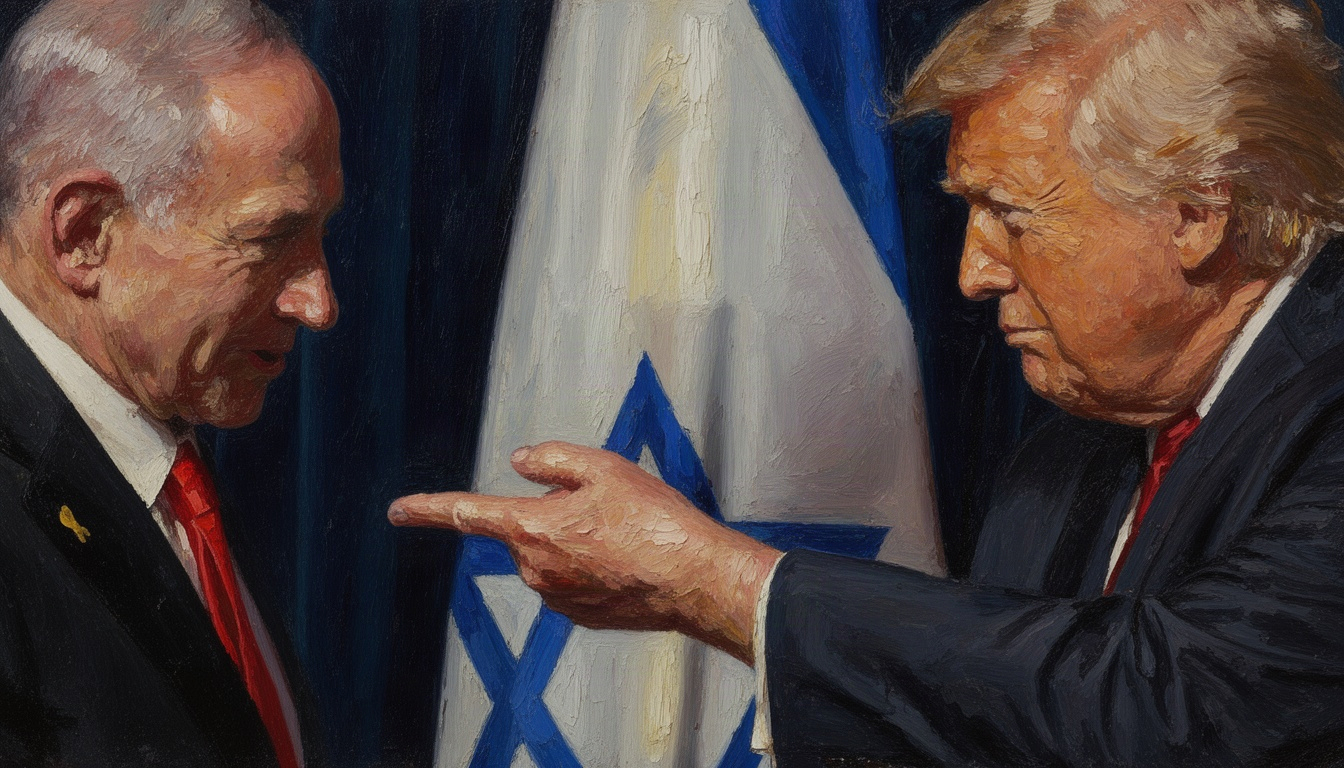
Netanyahu Rejects US-Brokered Gaza Plan Under Far-Right Pressure
Israeli Prime Minister Benjamin Netanyahu's refusal of the US-backed Gaza plan reveals rising domestic political tension. This situation indicates potential shifts in Israel's strategic approach towards Hamas and Gaza.
Israeli Prime Minister Benjamin Netanyahu stated that Israel has not agreed to the US-backed plan for Gaza, despite assurances that any Israeli military withdrawal would occur post-disarmament of Hamas. In a video shared on social media Tuesday night, Netanyahu highlighted skepticism towards US President Donald Trump's administration's confidence in achieving Hamas's disarmament and Gaza's demilitarization.
Following the escalation of far-right political pressures within Israel, Netanyahu's stance highlights the complexities within Israeli domestic politics. Right-wing factions are increasingly vocal about maintaining a hardline approach towards Hamas, undermining efforts perceived as soft or conciliatory. This growing domestic unrest may significantly influence Israel's regional security policies and its dealings with Gaza.
The strategic significance of Netanyahu's rejection lies in its implications for US-Israeli relations and the ongoing Palestinian-Israeli conflict. The US has traditionally played a mediator role in this dynamic, and Israel's refusal could disrupt ongoing peace efforts and worsen tensions in the region.
Netanyahu referenced a draft proposal provided by the Trump administration, emphasizing that it does not reflect Israel's interests or strategic objectives, which include ensuring national security and countering threats from Hamas. The current Israeli military posture remains one of deterrence, focusing on readiness to respond to any Hamas provocations.
Looking forward, this rejection could lead to shifts in the Israeli approach towards Hamas and ongoing humanitarian conditions in Gaza. With pressure mounting within Israeli political circles, Netanyahu's government faces a delicate balancing act between responding to internal pressures and maintaining crucial international alliances, particularly with the United States.