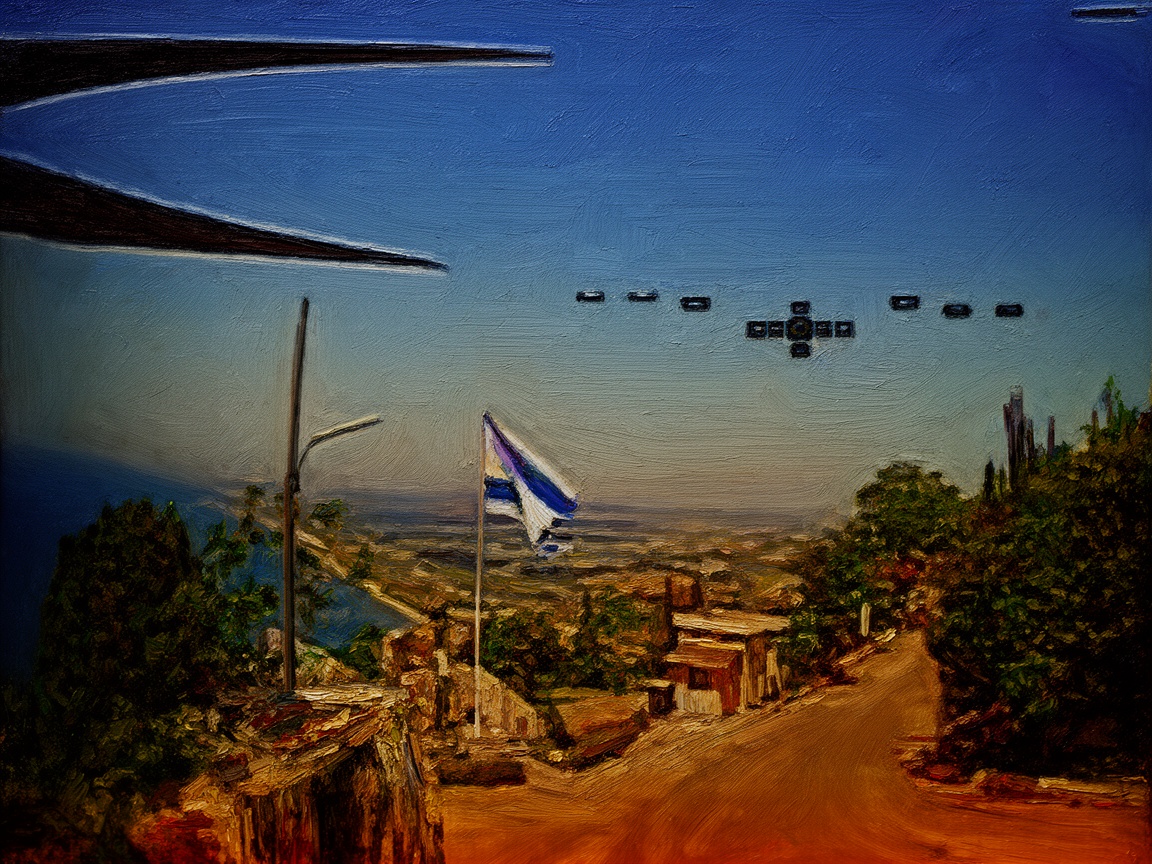
New Propaganda Techniques Alter Israel-Hezbollah Conflict Dynamics
Innovative strategies in information warfare are transforming narratives in the Israel-Hezbollah-Iran conflict. Both sides now leverage technology and media to influence public perception and bolster support.
The conflict between Israel and Hezbollah is no longer limited to traditional battlefield engagements; it has expanded into the realm of information warfare. Recent strategies employed by both Israel and Hezbollah reflect a significant evolution in how conflicts are portrayed and understood. With Israel's popular series 'Fauda' shaping perceptions of its fight against Hezbollah, the group is responding with its own media campaigns, utilizing first-person video (FPV) footage from drones to showcase their capabilities and narrative.
This shift towards advanced propaganda techniques highlights the importance of perception management in modern conflicts. By using storytelling and social media, both parties aim to sway public opinion domestically and internationally. Israel's depictions of its operations focus on counter-terrorism, while Hezbollah's footage aims to amplify its image as a resilient force in the face of Israeli aggression. Both narratives serve to solidify their respective positions and justify their actions in the eyes of their supporters.
Strategically, this battle of narratives is critical in influencing international opinions and garnering support from global partners. The increasing sophistication of media tactics allows for a flexible and rapid response to unfolding events on the ground. The effectiveness of these propaganda efforts can have lasting impacts on the perception of legitimacy and moral standing in the eyes of the international community.
Technical advancements amplify the reach of these narratives. For instance, Hezbollah's use of FPV footage not only documents their operational capabilities but also acts as a psychological tool against adversaries. Meanwhile, Israel continues to invest in cinematic storytelling that resonates with both military allies and civilian audiences. This implies a significant shift in the rules of engagement, where the information domain becomes as vital as the physical battlefield.
The ongoing developments signify the need for both sides to continuously adapt their communication strategies. As the conflict evolves, the war of narratives is likely to intensify, shaping both public perception and diplomatic relations moving forward. The implications for future conflicts, where information warfare will be paramount, are profound and far-reaching.