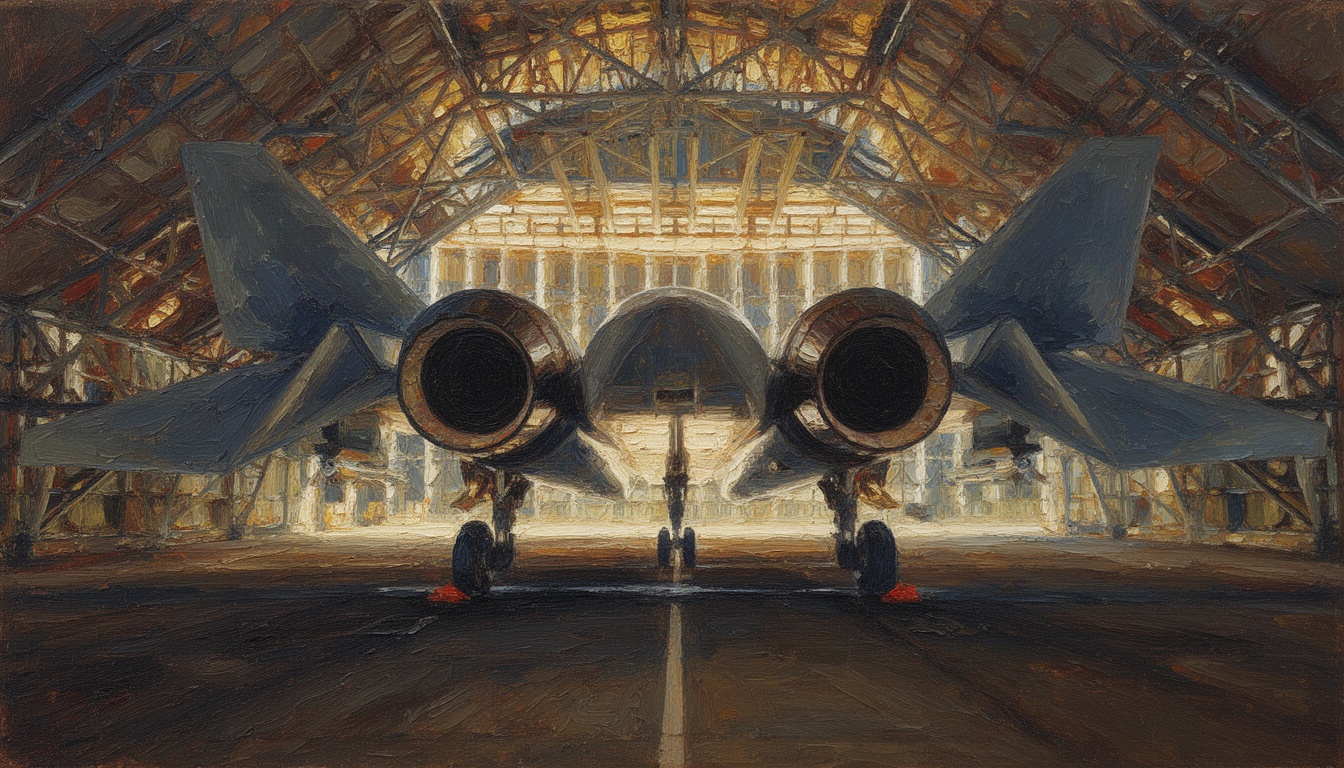
New Su-57 Weapons Configuration Enhances Air Defense Capabilities
Russia's Su-57 fighter jet may now focus on countering drone and cruise missile threats from Ukraine. This development highlights a significant shift in operational strategy.
The recent modifications to Russia's Su-57 fighter jet indicate a strategic adaptation aimed at addressing Ukraine's advancing capabilities in long-range strikes. The configuration now seemingly prioritizes enhancements focused on intercepting drones and cruise missiles, reflecting a proactive approach to aerial defense.
Historically, the Su-57 has been viewed primarily as an advanced multirole fighter with stealth capabilities, designed for air superiority. However, the increasing frequency of long-range attacks by Ukrainian forces might have prompted a reevaluation of its operational role. Reports suggest that the focus could shift towards a defensive posture, providing a countermeasure against persistent aerial threats.
The implications of this shift are noteworthy. By integrating advanced weapon systems tailored to engage drones and cruise missiles, the Russian military is likely aiming to bolster its air defense architecture. This move is an attempt to protect critical assets and ground forces from the ongoing aerial threat posed by Ukraine's enhanced strike abilities.
Specifically, the Su-57 may be equipped with new air-to-air missiles and antimissile systems designed to neutralize specific types of drones and cruise missiles. Although exact specifications are not available, such enhancements would represent a substantial evolution in the tactical employment of the aircraft, aligning with broader defense strategies currently being employed by Russia in the ongoing conflict.
In conclusion, the progression of the Su-57 towards a dual-function capability—engaging both enemy aircraft and enhancing overall defense against missiles—signals a significant realignment in Russia's military strategy. As Ukraine continues to develop its strike capabilities, this development could have profound impacts on the aerial landscape of the conflict.