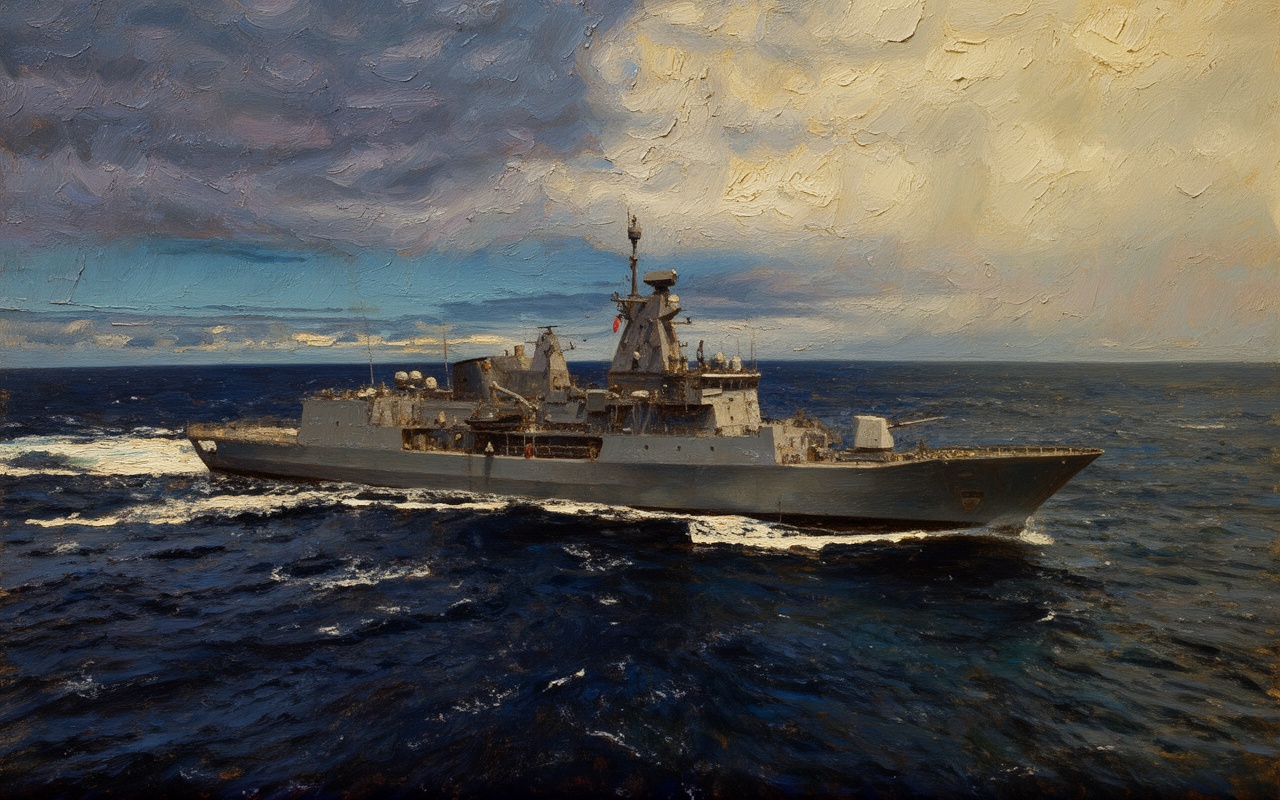
New Zealand Navy Unveils Fleet Renewal Strategy for 2040
The Royal New Zealand Navy seeks to modernize its fleet over the next two decades. This initiative will impact force structure, training, and infrastructure significantly.
The Royal New Zealand Navy (RNZN) is advancing a comprehensive fleet renewal program aimed at transforming its capabilities over the next twenty years. Speaking at the Combined Naval Event 2026 in Farnborough, Commodore Brendon Clark, Co-Director of Maritime Fleet Renewal, emphasized that this program is a 'once-in-a-lifetime opportunity' to redefine the navy's operational capabilities and structure.
Historically, the RNZN has operated with a fleet that includes their ANZAC-class frigates and others designed for previous geopolitical contexts. The ongoing strategic shifts in the Indo-Pacific region necessitate a more capable and flexible naval force that can operate in joint environments. Commodore Clark highlighted that the RNZN's modernization efforts will encompass not just the ships themselves but will extend to advanced training models and improved infrastructure.
Strategically, this modernization represents a significant shift in New Zealand's defense outlook, particularly in response to evolving regional security dynamics. The RNZN aims to ensure interoperability with allies, particularly within the framework of the Five Eyes intelligence alliance and regional partners, which underscores the importance of a resilient naval force in the face of maritime challenges.
Specific aspects of the fleet renewal program will include the introduction of new vessel classes designed for multi-role operations, incorporating advanced technology and enhanced sustainability measures. The RNZN’s approach will also include investments in support and maintenance capabilities, ensuring long-term operational readiness.
The implications of this program are profound, as it positions New Zealand's naval capabilities to meet future challenges effectively. Commanders and policymakers will need to ensure that this fleet renewal aligns with broader defense policy goals, addressing not only current threats but also preparing for unforeseen strategic developments in a rapidly changing security environment.