Next Army Chief Faces Debate Over Land Power's Relevance
The incoming Army chief confronts skepticism about land power's role in modern warfare dominated by drones. This debate could shape future strategic decisions and military doctrines.
The next chief of the Army is expected to address ongoing debates regarding the relevance of land power in contemporary conflicts. With the rise of drone warfare and advanced technologies, questions have emerged about the necessity of traditional ground forces in military strategies. This issue has intensified discussions on military modernization and the allocation of defense resources.
Background discussions highlight an ongoing transformation in military capabilities, with many international forces increasingly prioritizing air and cyber warfare. This strategic shift raises concerns among advocates of land power that the Army's ground forces could be undervalued in future conflicts. The new Army leader's ability to advocate for land capabilities could ultimately influence military funding and policy directions.
Strategically, the challenge lies in demonstrating that land forces can still play a crucial role in military operations, particularly in hybrid warfare scenarios where drones and traditional forces operate in tandem. The capability to influence ground battles while integrating with aerial support will be critical for the next Army chief as they strive to validate the importance of ground operations in a rapidly evolving threat landscape.
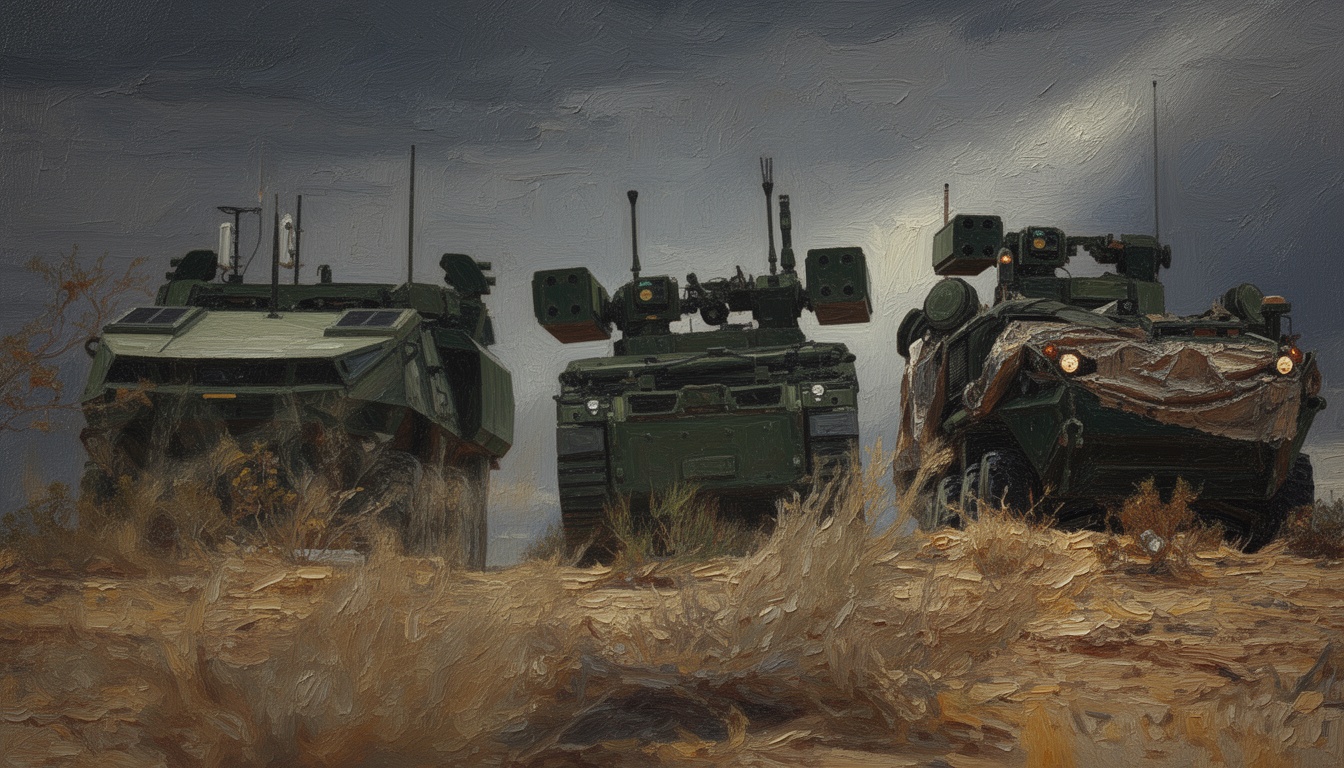
Operationally, the Army's modernization efforts may require reassessing programs focusing on joint operations between drones and ground troops. This includes investments in modernizing platforms such as the M1 Abrams tank and the Stryker armored vehicle. Additionally, the necessity for enhanced training programs that integrate unmanned aerial systems with land operations is paramount for maintaining combat effectiveness.
The implications of the next Army chief's stance on land power could impact defense policy discussions on a global scale, influencing how nations approach military strategy and allocate resources. Emphasizing the necessity of land forces may provide a foundation for revitalizing ground operations within broader military frameworks, thereby shaping future conflict engagements.