Next-Gen Engine Prototyping Delayed to 2031
The Next Generation Adaptive Propulsion program faces a significant delay. Prototyping is now expected to finish three years later than initially planned.
The Air Force has announced a further delay in the development of its Next Generation Adaptive Propulsion (NGAP) program. The completion of prototyping work is now projected for 2031, marking a total delay of three years against previous forecasts. This extension impacts the technological advancements intended to be integrated into future fighter jets.
Originally, the NGAP program was expected to progress more efficiently, aiming to enhance propulsion capabilities and operational performance. Delays in such key technology projects can hinder the Air Force's strategic edge in aerial combat, as these engines are meant to provide improved fuel efficiency and versatility in different mission profiles.
The significance of this delay extends beyond operational considerations; it raises concerns about the broader implications for U.S. military competitiveness in the global arms market. Other nations are also advancing their own propulsion technologies, intensifying the urgency for the Air Force to expedite its development process.
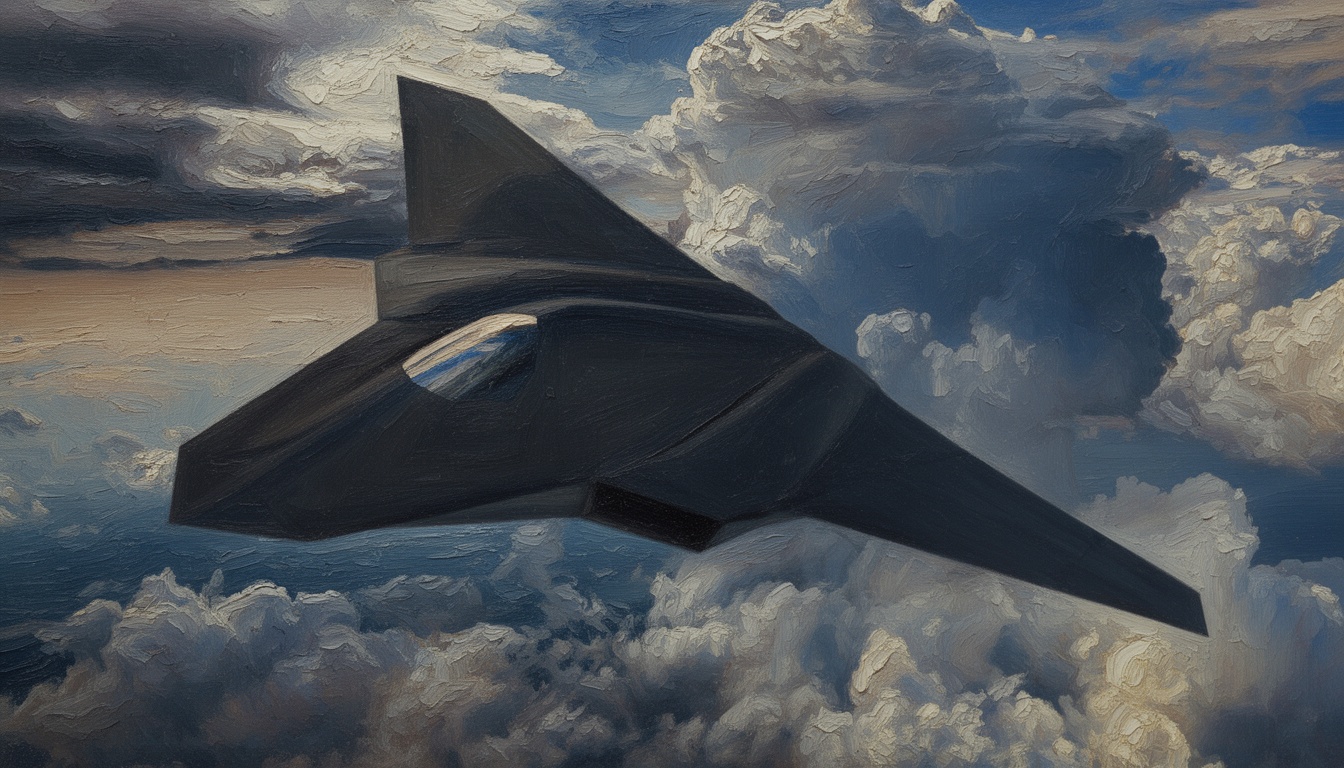
The NGAP program, originally aimed to bolster advanced capabilities in fighters like the F-35 and the upcoming Next Generation Air Dominance (NGAD) aircraft, is crucial for maintaining air superiority. With a completion target now set for 2031, the pressure mounts to resolve any technical hurdles that contributed to this timeline change.
The repercussions of this delay may not only affect the Air Force's immediate operational capabilities but also its long-term strategic posture. As defense budgets evolve and competition heats up, the necessity to deliver on future technologies becomes more urgent, underlining the need for effective project management and timely execution in military innovation.