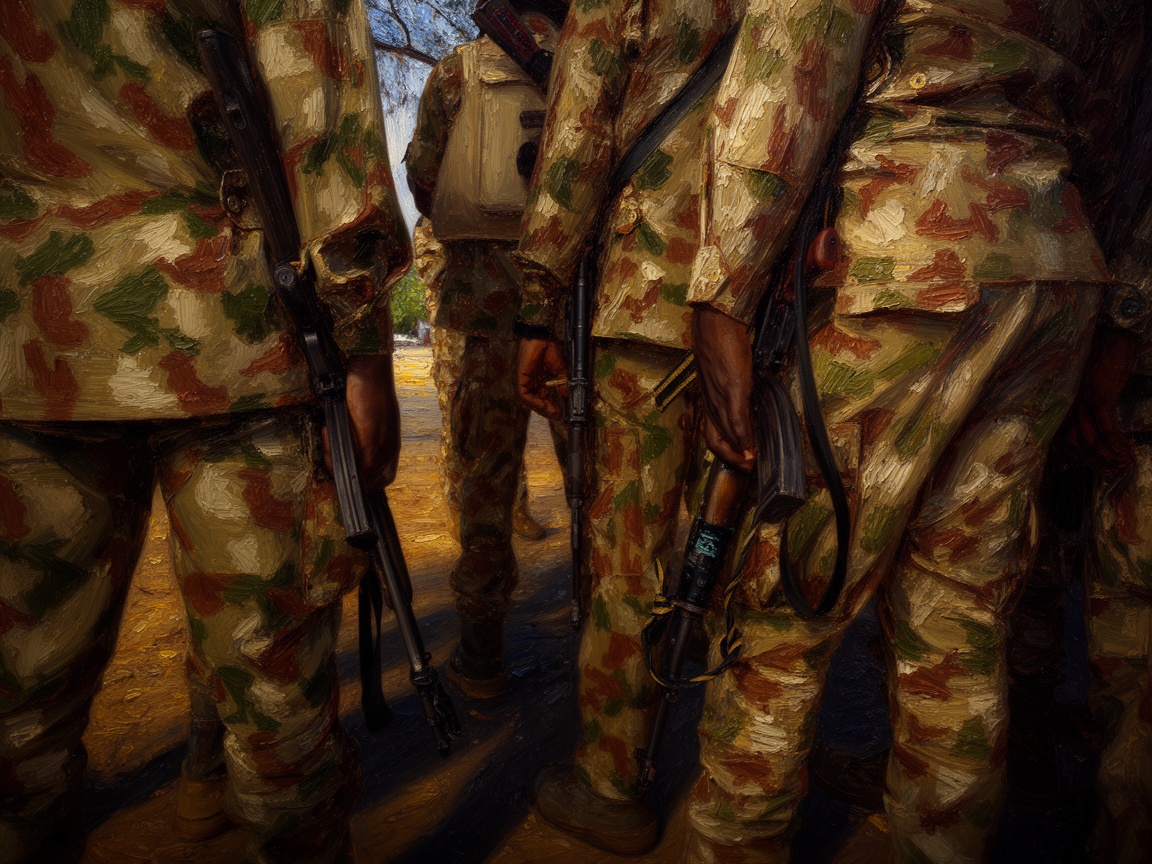
Nigeria’s Counterterrorism Gains Warn of Potential Backlash
Nigeria's mass surrenders in counterterrorism efforts could destabilize armed groups. However, the lack of a justice framework in reintegration may breed resentment and future conflicts.
Nigeria has experienced significant counterterrorism gains, particularly in the northeastern region where mass surrenders from militant groups have been reported. These surrenders have led to a perceived weakening of the Boko Haram and ISWAP insurgencies, although experts warn that such outcomes may be short-lived if not managed properly. The recent wave of surrenders, reportedly exceeding 20,000 individuals over the past year, highlights the ongoing struggles within these armed groups, signaling a potential shift in the conflict's dynamics.
Background context reveals that the Nigerian military has intensified operations against these terrorist organizations, following years of violence that has claimed over 36,000 lives and displaced millions. With thousands of fighters and their families now opting to surrender, there is an urgent need for the Nigerian government to develop a comprehensive approach that goes beyond mere security measures. Addressing the root causes of violent extremism and ensuring justice for victims of terrorism must be prioritized in conjunction with reintegration efforts.
The strategic significance of the situation cannot be overstated. While the military's operations may bring operational successes in the near term, failing to integrate surrenders into a just and fair process risks rekindling conflict. Resentment among communities, particularly those who have suffered under the insurgents' rule, could undermine general stability and complicate peace efforts in the long run.
Operationally, the Nigerian armed forces have deployed additional troops and resources in regions heavily affected by insurgency. These include specialized counterinsurgency units trained in handling mass surrenders and accelerating the rehabilitation of former militants. However, funding for these rehabilitation efforts is reportedly limited, with the government budget allocation standing at approximately $300 million for counterinsurgency operations this year, indicating financial constraints in sustaining these initiatives.
Looking ahead, the potential consequences of not addressing justice in reintegration are dire. Analysts predict that if the Nigerian government fails to incorporate justice measures alongside the surrender process, it may sow the seeds for a new cycle of violence. Stakeholders are urged to consider comprehensive policy strategies that emphasize justice, community engagement, and prevention to ensure the sustainability of Nigeria's counterterrorism gains.