No Progress in Iran-US Negotiations After Meeting
Tensions remain high as Iran and the US fail to reach a deal. Conflicting statements from both sides highlight the ongoing impasse.
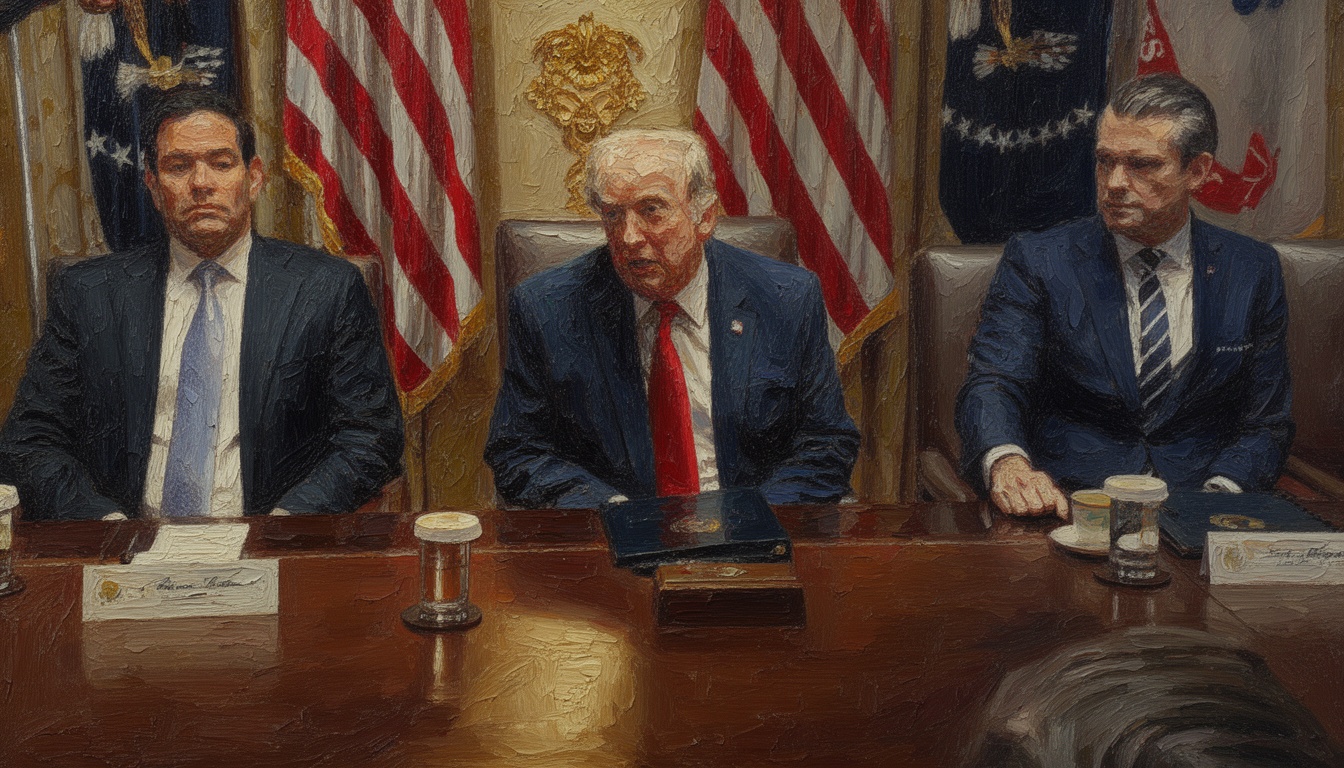
No agreement has been reached between Iran and the United States following a two-hour meeting held in Washington. The discussions focused on a potential peace deal, but both sides have issued conflicting statements regarding the status of negotiations. President Donald Trump exited the Situation Room without any concrete outcomes, emphasizing continued tensions between the two nations.
Background context reveals that the core of the discussion revolved around critical issues. Trump is seeking Iran's commitment to removing naval mines from the Strait of Hormuz and wants Tehran to agree to dismantle its stockpile of enriched uranium. On the other hand, Iranian officials insist on the release of billions of dollars in frozen assets before making any concessions, complicating the path forward.
Strategically, this deadlock underscores the fragility of US-Iran relations and highlights the broader geopolitical implications for the region. The Strait of Hormuz is a vital chokepoint for global oil shipments, and instability in this area could have repercussions that extend far beyond the immediate parties involved.
On a technical level, the negotiations are centered on Iran's nuclear program and the status of military assets in the area. The US typically positions naval forces in the Gulf to ensure freedom of passage, adding a military component to the diplomatic discussions that is crucial for both parties.
The likely consequences of this ongoing stalemate are severe. Without a breakthrough, tensions could escalate, leading to increased military posturing in the region. This situation also places pressure on other nations involved in the negotiations, particularly those aligned with either Washington or Tehran, who may need to adjust their strategies in response to continued uncertainty in US-Iran relations.