North Korea Plans Naval Nuclear Armament and New Warships
North Korea's Kim Jong-un announces nuclear armament for the navy and 10,000-ton warships. This escalation raises regional security tensions.
North Korean leader Kim Jong-un declared that the nation will be arming its navy with nuclear weapons, as reported by state media on Wednesday. This declaration emphasizes North Korea's commitment to enhancing its naval capabilities amid ongoing tensions with regional powers. The announcement coincides with plans to construct warships weighing 10,000 tons, showcasing an ambitious expansion of North Korea’s naval fleet.
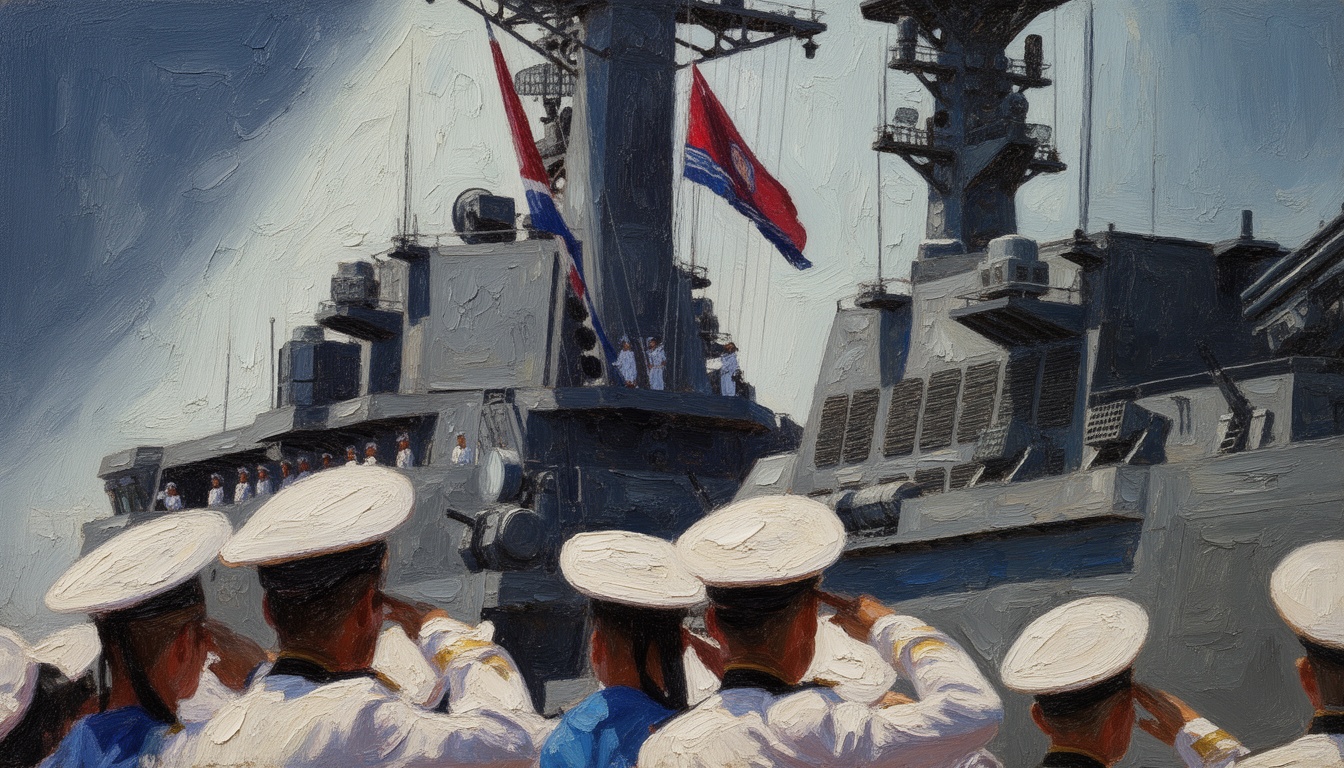
Kim made these remarks during the commissioning ceremony of the Choe Hyon, which is one of two 5,000-ton class warships launched last year. This event took place in the port city of Nampo on Tuesday, as reported by the official Korean Central News Agency. The commissioning of such vessels is indicative of North Korea’s persistent drive to modernize its military forces, particularly its naval assets, in light of perceived threats from international actors.
The significance of these developments cannot be understated. By arming its navy with nuclear weapons, North Korea aims to enhance its deterrence capabilities. This move is likely to raise concerns among neighboring countries and the United States, potentially leading to increased military readiness and naval deployments in the region.
In terms of technical detail, the specifics about the nuclear weapons intended for naval integration were not disclosed. However, the 10,000-ton warships suggest a substantial expansion in the scale and capabilities of North Korea's fleet. The two 5,000-ton class vessels launched previously are expected to serve as critical components in this modernization effort, reinforcing the North's strategic posture.
The forward assessment indicates that these developments may lead to escalated tensions in East Asia. Regional nations may respond by bolstering their naval defenses and enhancing military collaborations, potentially triggering a new arms race at sea. Such actions could further complicate diplomatic efforts aimed at denuclearization on the Korean Peninsula, undermining long-term stability in the region.