North Korea to Expand Nuclear Force and Espionage in South Korea
North Korea's military plans to enhance its nuclear capabilities significantly and increase espionage efforts in South Korea. This strategic shift indicates heightened tensions in the region.
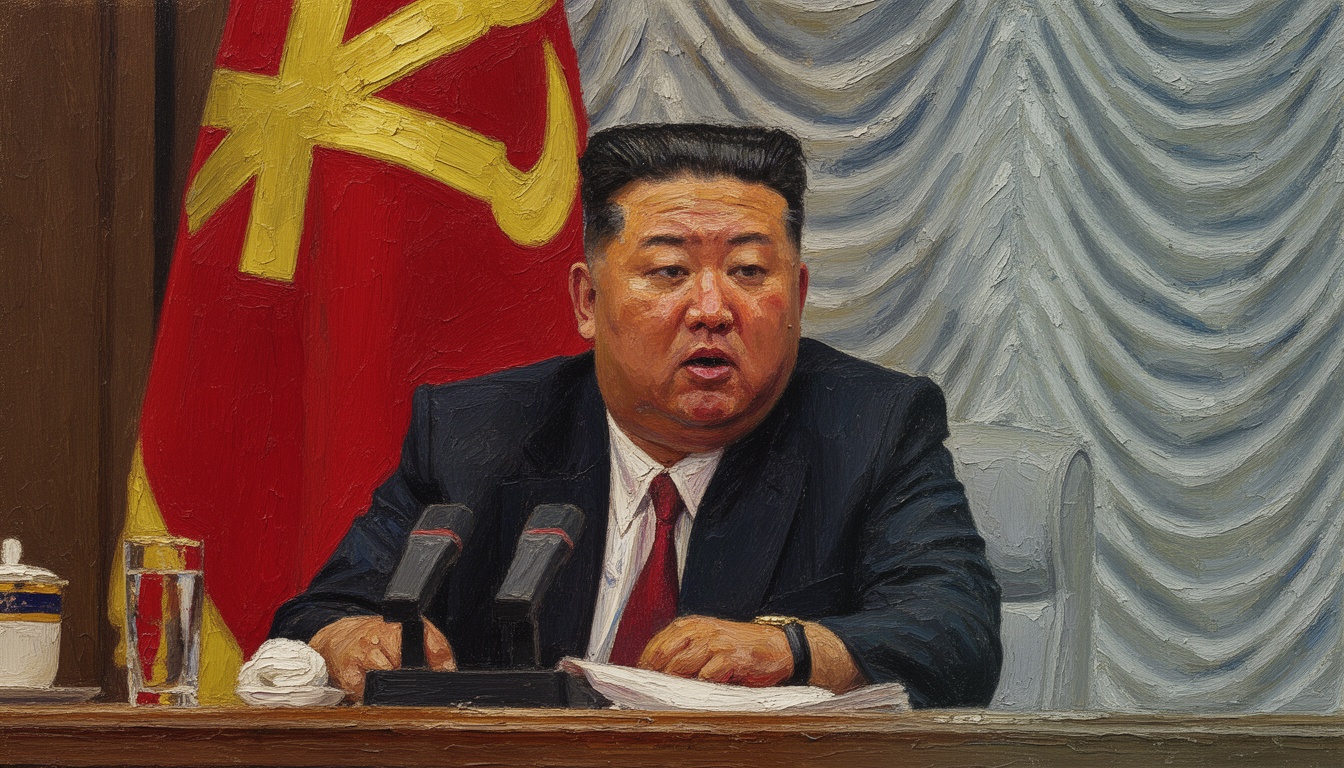
North Korea has announced its intention to enhance its nuclear capabilities significantly, aiming to improve both the quality and quantity of its nuclear forces. This announcement, reported by state media, comes after a military commission meeting where crucial decisions were made regarding the country's defense strategy. In tandem with bolstering its nuclear arsenal, North Korea also plans to expand its espionage activities in South Korea 'in a radical way'.
The context of this announcement lies within an increasingly tense security environment on the Korean Peninsula. North Korea has faced numerous international sanctions following its nuclear tests and missile launches over the past years. The decision to ramp up nuclear capabilities could be seen as a response to perceived threats from South Korea and its allies, as well as an attempt to solidify its position in any potential negotiations.
This development holds significant implications for regional security dynamics. By enhancing its nuclear arsenal, North Korea may further deter military actions from adversaries. Moreover, the shift towards increased espionage efforts suggests a more aggressive strategy aimed at undermining South Korean security and gathering intelligence about military maneuvers.
On the technical side, North Korea's existing nuclear force capabilities include a variety of missile systems capable of delivering nuclear warheads. The country has demonstrated advancements in intercontinental ballistic missile technology. The specifics of how much the nation plans to increase its nuclear stockpile and the methods by which it intends to enhance its espionage capabilities remain unclear but are likely to involve cyber warfare and human intelligence operations.
The likely consequences of this strategic decision are multifaceted. Regional powers, particularly South Korea and Japan, may feel compelled to enhance their own military readiness. Additionally, this escalation could strain diplomatic efforts, as North Korea's actions may lead to a renewed focus on sanctions and containment strategies from the international community. In essence, this bold move from North Korea signals a shift that could reshape security considerations in the region for years to come.