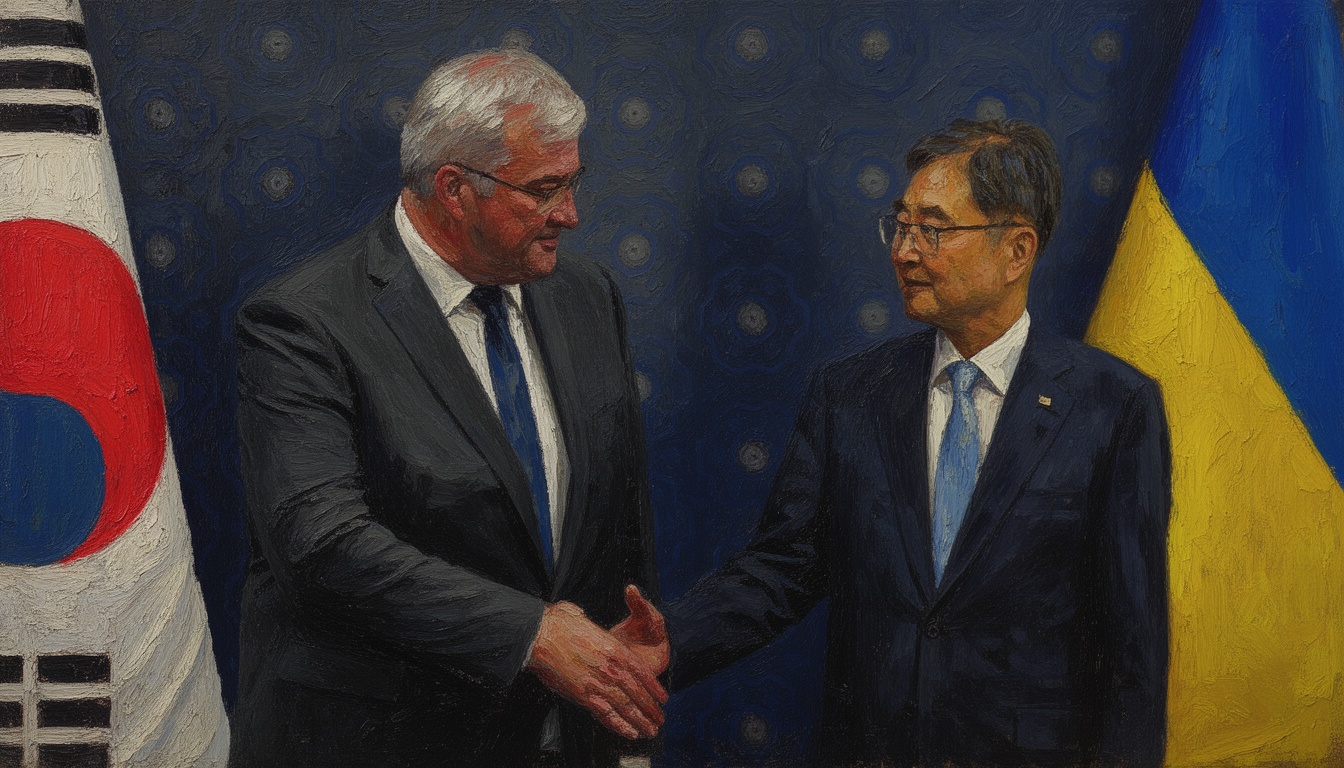
North Korean POWs Increase Pressure on South Korea over Arms Sale
Ukraine uses North Korean POWs to negotiate arms sales with South Korea amid the war with Russia.
Ukraine is in a strategic position regarding two North Korean prisoners of war who wish to be transferred to South Korea. This situation presents Kyiv with leverage as it seeks to pressure Seoul into supplying arms for its ongoing conflict against Russia. The North Korean soldiers were captured in early 2025 after being sent to Kursk to support Russia's military operations. Under South Korean law, they are classified as South Korean nationals due to the country's constitutional claim over the entire Korean peninsula.
The Ukrainian government’s intention is to prompt South Korean decision-makers to consider arms sales that could bolster Ukraine's defense capabilities. This unexpected twist adds complexity to the existing geopolitical tension surrounding the arms trade, particularly as South Korea navigates its defense strategy in response to regional threats. Observers note that the two POWs' situation reflects the intricacies of international conflicts intertwined with domestic policies.
For South Korea, the prospect of selling weapons to Ukraine is fraught with diplomatic challenges. Any arms sales could provoke a backlash from North Korea, potentially escalating tensions on the Korean peninsula. Seoul's willingness to engage in negotiations amid this controversy underscores the military and diplomatic stakes involved in supporting Ukraine's fight against Russian aggression.
Details surrounding the prospective arms sales could include advanced military equipment needed to counter Russia's military superiority. Analysts speculate South Korea may consider supplying systems such as the K2 Black Panther tanks or K9 Thunder howitzers to Ukraine, but the fallout from such actions remains uncertain.
As this situation develops, the likelihood of South Korea balancing its own national security interests against humanitarian concerns for the POWs will be a key focus. The evolving dynamic between Ukraine, North Korea, and South Korea could have far-reaching implications for regional stability and military collaboration as the borderlines of alliances continue to be tested.