Northern Ireland Riots Highlight Longstanding Sectarian Tensions
The recent anti-immigrant riots in Belfast underline persistent sectarian divisions. This unrest reflects decades of conflict rooted in Northern Ireland's troubled past.
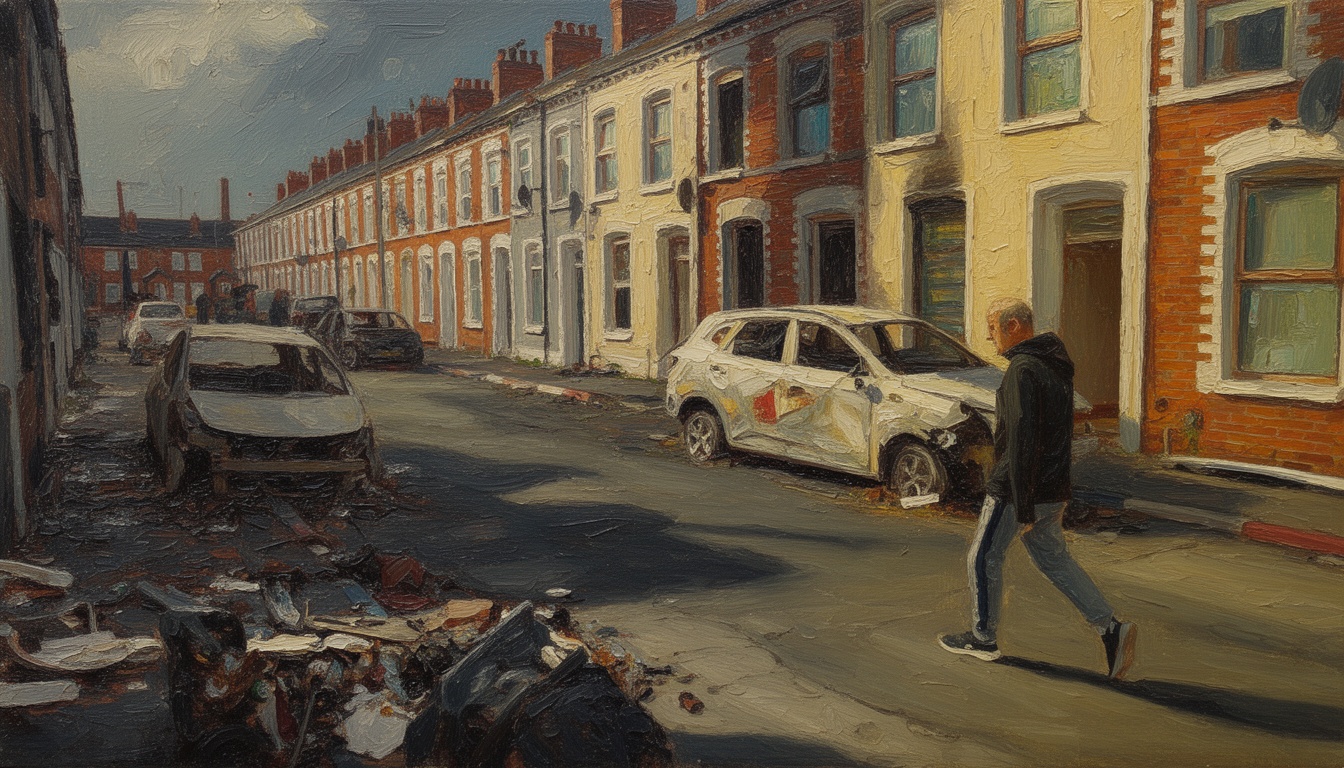
Anti-immigrant riots erupted in Belfast, Northern Ireland, earlier this week, showcasing a troubling legacy of sectarian violence. Residents report that this latest round of unrest is a continuation of conflict that has plagued the city for decades, stemming from a long history of division between communities.
Belfast's history is marked by the Troubles, a prolonged period of conflict that saw thousands of casualties and deep societal rifts. The current riots underscore how quickly tensions can reignite, especially around issues of immigration and demographic changes that are often exploited by groups seeking to stoke fear and division among communities.
The strategic significance of these riots is twofold: Firstly, they highlight ongoing instability in Northern Ireland, which remains a flashpoint in UK politics. Secondly, the unrest illustrates the potential for sectarian violence to resurface whenever societal tensions rise. This could have broader implications for peace and security in the region.
Witnesses observed groups clashing in the streets, with some reports of violence resulting in multiple injuries. No specific numbers regarding casualties were available, but the violent confrontations were significant enough to prompt calls for an increased police presence to restore order. The Royal Ulster Constabulary has been deployed to manage the situation.
Looking ahead, these events may lead to renewed discussions on immigration policy and community relations in Northern Ireland. Local authorities and community leaders are urged to address the underlying issues that have fueled such tensions, as failing to do so could result in further outbreaks of violence and instability.