Nuclear Weapons Spending Reaches Record High of $119 Billion
Global nuclear weapons spending surged significantly, reflecting rising tensions. In 2025, an additional $16.8 billion was allocated for nuclear arsenals.
Global spending on nuclear weapons has reached a staggering $119 billion in 2025, according to estimates from the International Campaign to Abolish Nuclear Weapons (ICAN). This marks a $16.8 billion increase from previous years, highlighting an alarming trend of escalating military budgets for nuclear arsenals among nations.
The rise in nuclear weapons expenditure coincides with heightened geopolitical tensions, particularly involving major military powers. Countries appear to be investing more in their nuclear capabilities, reinforcing perceptions of insecurity and deterrence dynamics in an increasingly multipolar world.
This escalation in spending comes at a time when diplomatic efforts for disarmament are floundering, indicating a troubling commitment to maintaining and expanding nuclear arsenals. Such developments raise questions about the future of arms control and strategic stability, as global stockpiles of nuclear weapons could potentially grow.
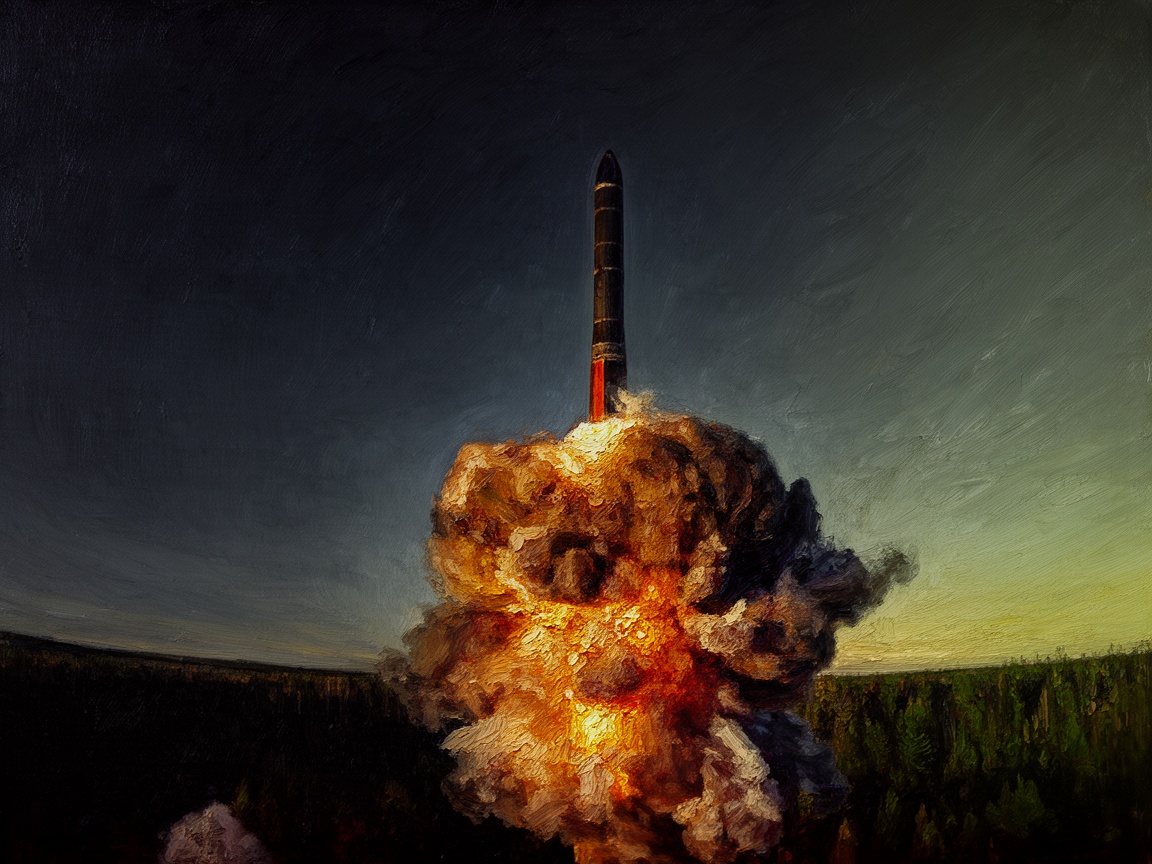
Specific allocations within this budget reveal a focus on modernizing existing systems and developing new warheads, as states aim to enhance their deterrent capabilities. The report underscores the financial resources dedicated to advanced delivery systems and modernization programs, including intercontinental ballistic missiles (ICBMs) and submarine-launched ballistic missiles (SLBMs).
The significant rise in nuclear spending may lead to increased arms races, prompting countries to enhance their military readiness and potentially destabilizing security relationships globally. Moving forward, the implications of such expenditures could reshape the security landscape and affect international relations, as nations weigh the costs of deterrence against the need for cooperative security frameworks.