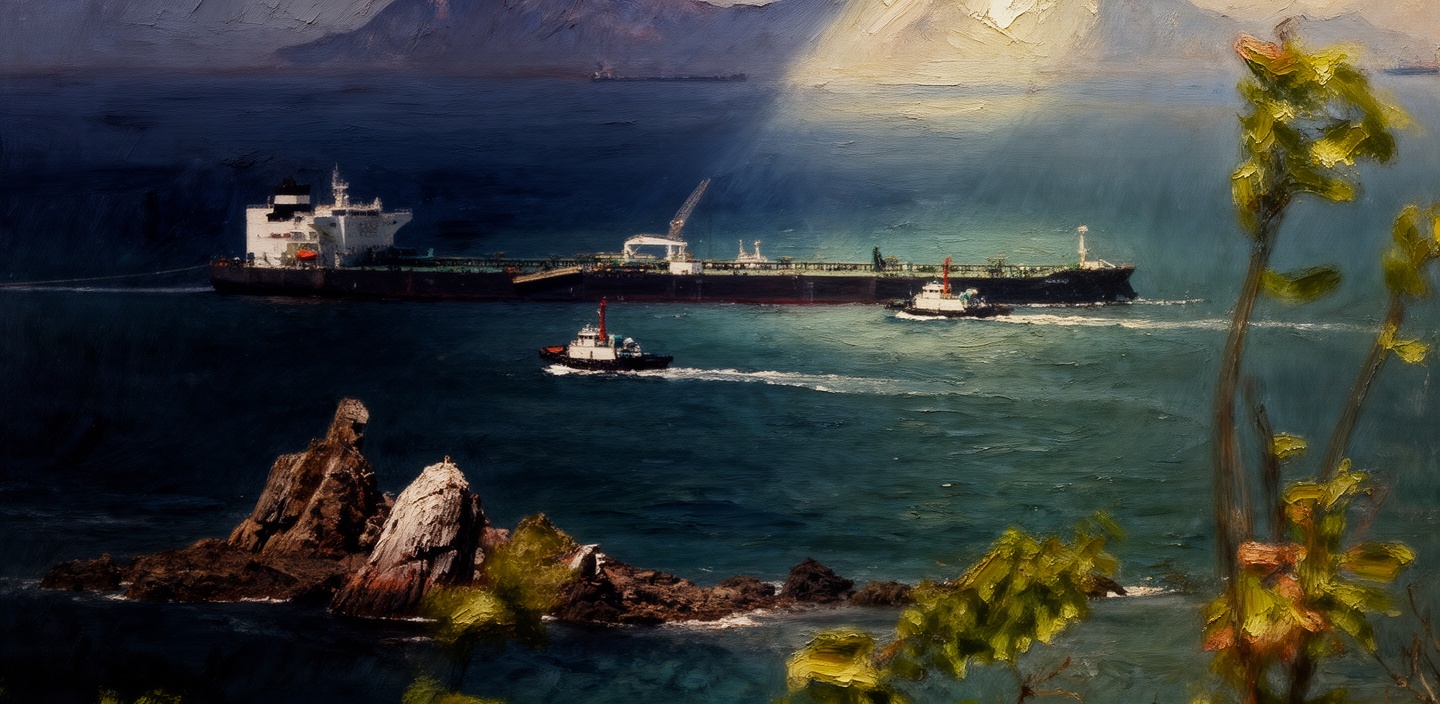
Over 160 Oil Tankers Stuck in Gulf as Iran Tightens Grip on Hormuz
Iran's control over the Strait of Hormuz has intensified, impacting global oil transport. With over 160 oil tankers currently blocked, significant disruptions to supply chains may occur.
The geopolitical tension in the Persian Gulf escalates as Iran reportedly increases its control over the Strait of Hormuz, a critical chokepoint for global oil shipments. As a result, over 160 oil tankers are stranded, unable to navigate this vital waterway. This development raises alarms regarding the potential ramifications on global oil supply and pricing.
The Strait of Hormuz is a strategic passage for approximately one-fifth of the world's oil supply, making its security a priority for many nations. Iran's actions to assert control over the strait have brought heightened military presence in the region, with naval forces on standby to confront any perceived threats. This intensification comes amid ongoing tensions between Iran and Western nations, particularly the United States, regarding nuclear programs and regional influence.
Strategically, this situation poses a substantial challenge to international maritime operations and security. The blockage of oil tankers is already causing ripple effects in the oil markets, potentially driving up prices and fueling further instability in energy-dependent economies. Countries reliant on oil imports may soon feel the impact of these disruptions.
Reports suggest that Iran's naval capabilities include patrol boats and mine-laying vessels, which could further complicate safe passage through the strait. Additionally, Iran may leverage its military to intimidate tanker operators, forcing some to reconsider transiting through the area. The current state indicates an essential need for global powers to engage diplomatically to ensure maritime freedom and security.
As the situation develops, the international community must assess the implications of Iran's strategic maneuvers in the Gulf. Any escalation could lead to a heightened military conflict in the region, with wide-reaching consequences for both energy markets and geopolitical stability. River supply routes being disrupted raises questions about the long-term viability of oil flows through this pivotal maritime corridor.