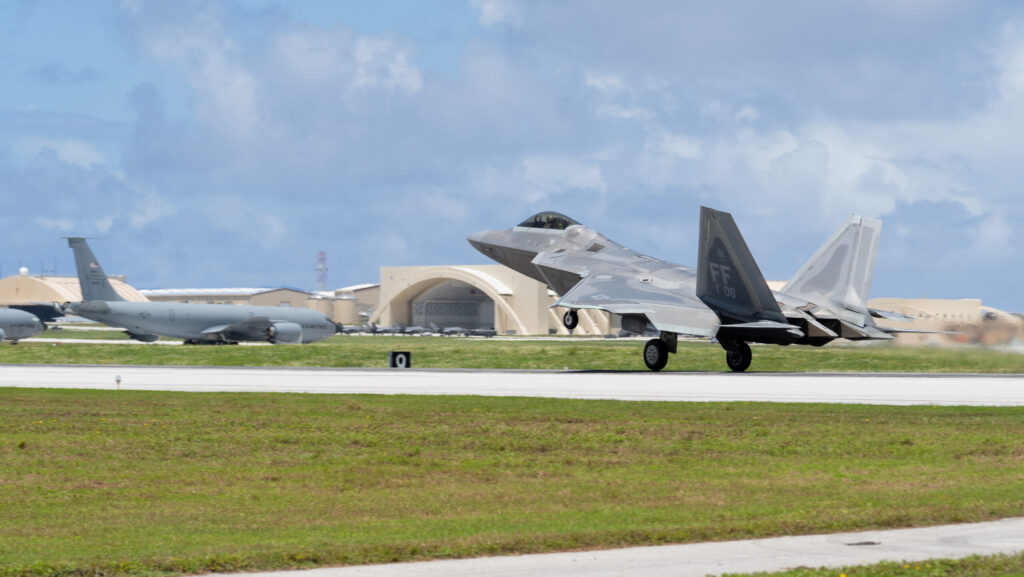
PACAF Commander Prioritizes CENTCOM Readiness Over Exercises
Pacific Air Forces intends to reduce exercise participation to maintain operational readiness, prioritizing the CENTCOM region's demands. Commander Gen. Kevin Schneider emphasizes recognizing risk management strategies among commanders.
Pacific Air Forces (PACAF) is planning to limit exercise participation in order to ensure sustained operational readiness. This strategy is heavily influenced by the current needs within the Central Command (CENTCOM) region, as indicated by PACAF Commander General Kevin Schneider. He stated that the focus will shift towards understanding which risks can be absorbed while maintaining efficiency across the Air Force as a whole.
General Schneider expressed confidence in the leadership's ability to navigate these adjustments effectively, ensuring a balanced approach to risk while meeting the demands of the CENTCOM area. By prioritizing specific efforts in this strategic location, the PACAF aims to enhance its operational capabilities without compromising other commitments.
The decision reflects a broader trend within military command structures to adapt training and readiness initiatives according to global priorities. Such an approach underscores the need for flexibility in response to evolving security challenges in critical regions, particularly involving potential threats that could emerge in the CENTCOM domain.
Operationally, the focus will likely shift resources towards missions that directly support CENTCOM objectives. This could involve reallocating assets and personnel, which may impact scheduled training exercises elsewhere within the PACAF jurisdiction, necessitating a careful assessment of readiness across the board.
Moving forward, the implications of this decision could be significant, with potential repercussions on joint exercises and collaborations with allied forces. As the PACAF adjusts to these operational demands, it will be critical to monitor how well this strategy balances exercise participation against readiness commitment in diverse operational theaters.