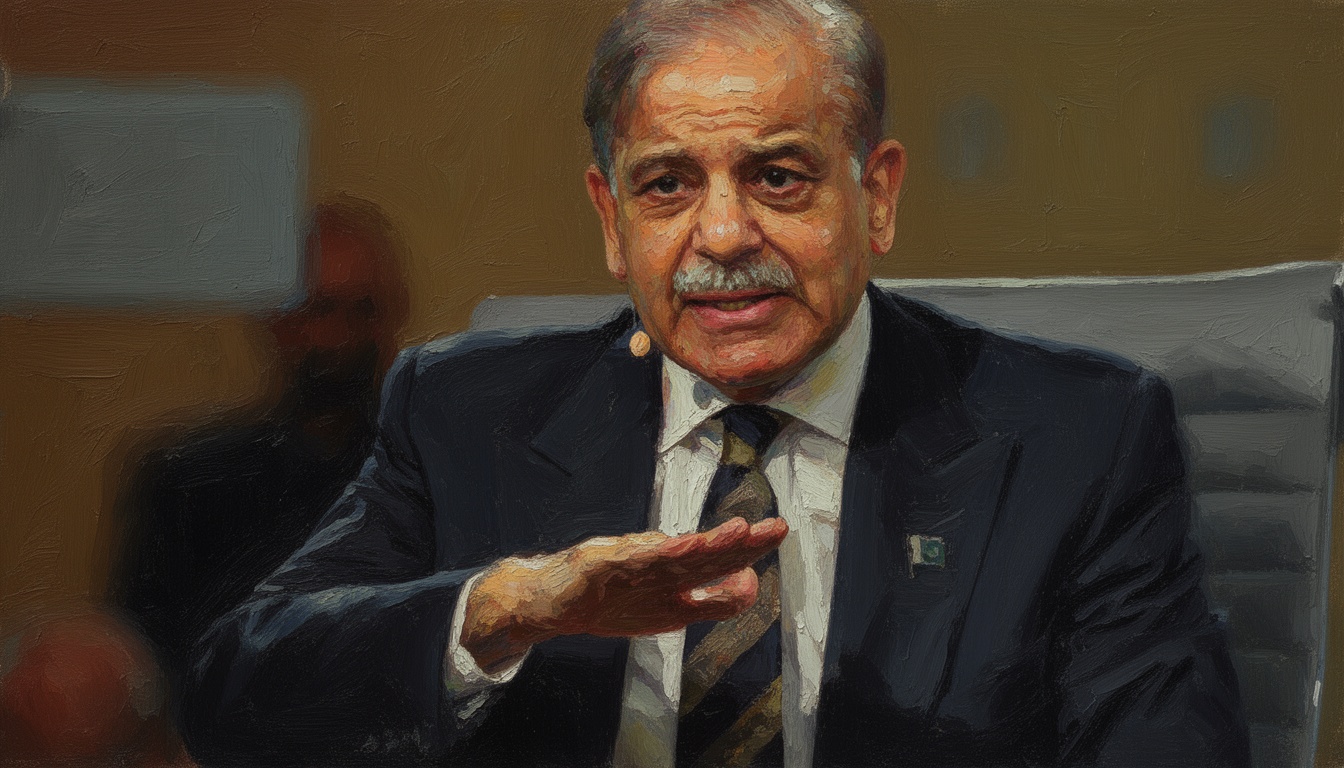
Pakistan's Prime Minister Seeks Support for Middle East Mediation
Pakistan aims to mediate between Iran and the U.S. during Shehbaz Sharif's China visit. This move highlights Islamabad's strategic diplomatic ambitions and growing ties with Beijing.
Pakistani Prime Minister Shehbaz Sharif is visiting China to garner support for Islamabad's mediation efforts in the ongoing conflict between Iran and the United States. The visit aligns with the 75th anniversary of formal diplomatic relations between Pakistan and China, a milestone expected to strengthen the enduring partnership between the two nations.
The diplomatic endeavor reflects Pakistan's aspirations to play a pivotal role in regional stability amidst heightened tensions. As Islamabad positions itself as a mediator, it seeks to capitalize on its historical ties with Tehran and Washington. The prime minister's visit is seen as a strategic maneuver aimed not only at securing regional peace but also at enhancing Pakistan's geopolitical significance in the eyes of major global players.
During the visit, a Chinese analyst indicated that Beijing is prepared to support Pakistan's peace initiatives. It may also offer assistance in resolving Pakistan's various economic challenges, thus potentially deepening bilateral relations while promoting Chinese influence in South Asia. This reflects China's commitment to expanding its regional footprint and supporting its allies.
Sharif's engagement comes at a crucial juncture as tensions between Iran and the U.S. continue to simmer. Both sides are urged to reconsider their stances, and Pakistan, as a historically neutral mediator, engages in diplomatic talks that could pave the way for de-escalation. The continuation of these discussions marks a significant development in international diplomacy.
Looking forward, the outcomes of this visit could reshape Pakistan's diplomatic landscape, establishing it as a key player in facilitating dialogue between the U.S. and Iran. As such initiatives gain momentum, the implications for regional security and geopolitical dynamics could significantly shift, recalibrating alliances and fostering new discussions in international relations.