Pentagon Considers Restoring Army Aviation Cuts
The potential restoration of U.S. Army aviation funding could significantly impact operational capabilities. The decision reflects changing priorities within U.S. defense strategy.
The Pentagon is reevaluating its decision to cut funding for Army aviation announced last year. This consideration comes at a time when enhancing operational readiness is crucial for the U.S. military, especially in the face of evolving global threats. The U.S. Army's aviation assets have been underfunded, leading to concerns about maintaining a competitive edge in air mobility and reconnaissance capabilities.
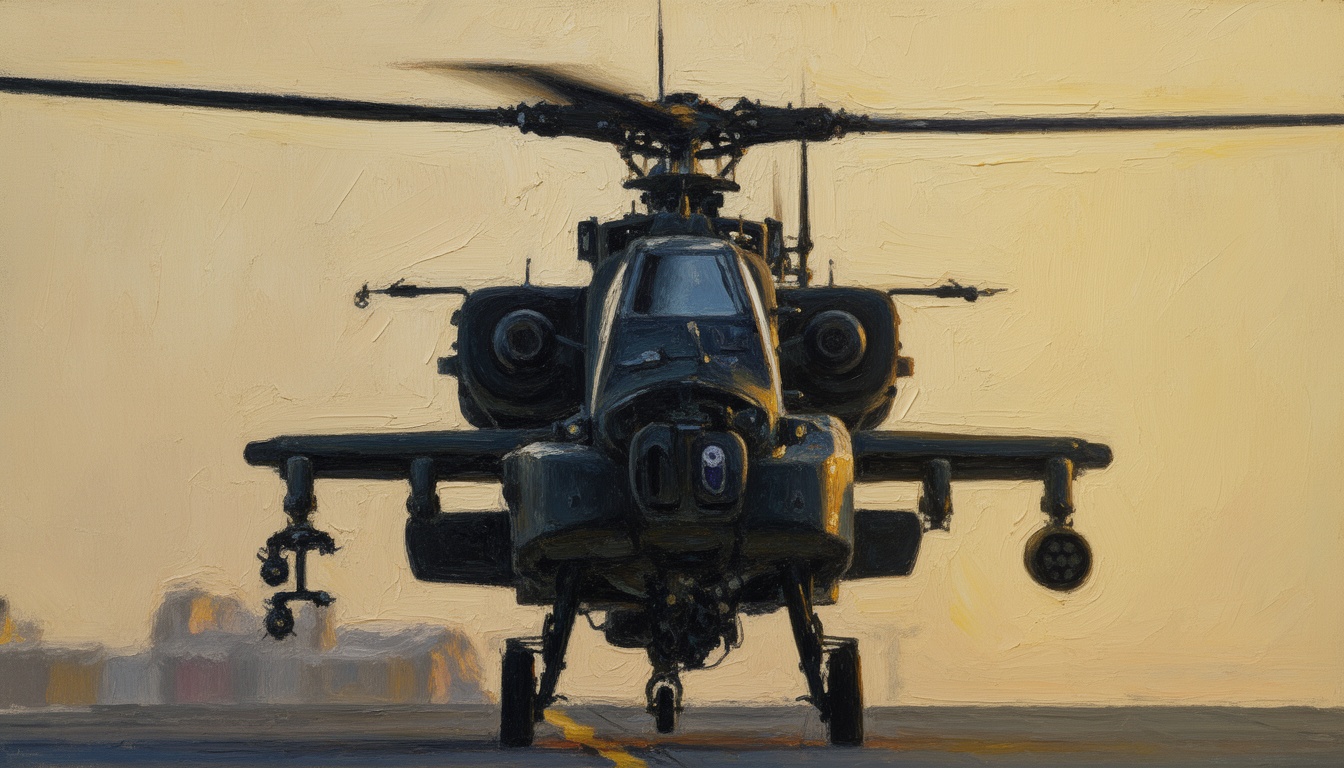
Previously, the Army planned to reduce its helicopter fleet, including the H-60 Black Hawk and the AH-64 Apache, as part of a broader reassessment of its resources. However, with increasing tensions in various regions and the need for rapid response forces, restoring cuts could help bolster the Army’s effectiveness. Officials are weighing the implications of this funding decision given the current geopolitical landscape.
Assessing the strategic significance of Army aviation reveals its key role in modern warfare, including transport, surveillance, and close air support operations. The Army currently operates approximately 1,300 Apaches and 2,000 Black Hawks, vital for both offensive and defensive missions. Restoring funding could improve maintenance and modernization efforts for these crucial platforms.
The financial implications of restoring Army aviation funding are considerable, with billions of dollars required to maintain and upgrade existing aircraft. As tensions with adversaries persist, ensuring Army aviation capabilities may play a critical role in U.S. deterrence strategies. The final decision is expected to significantly influence the Army's operational readiness in the coming years.
In conclusion, the prospect of restoring cuts to Army aviation funding indicates a potential shift in U.S. defense priorities. The need for robust aviation capabilities has never been more pressing, and the outcomes of this evaluation could redefine the Army's strategic posture amidst ongoing global challenges.