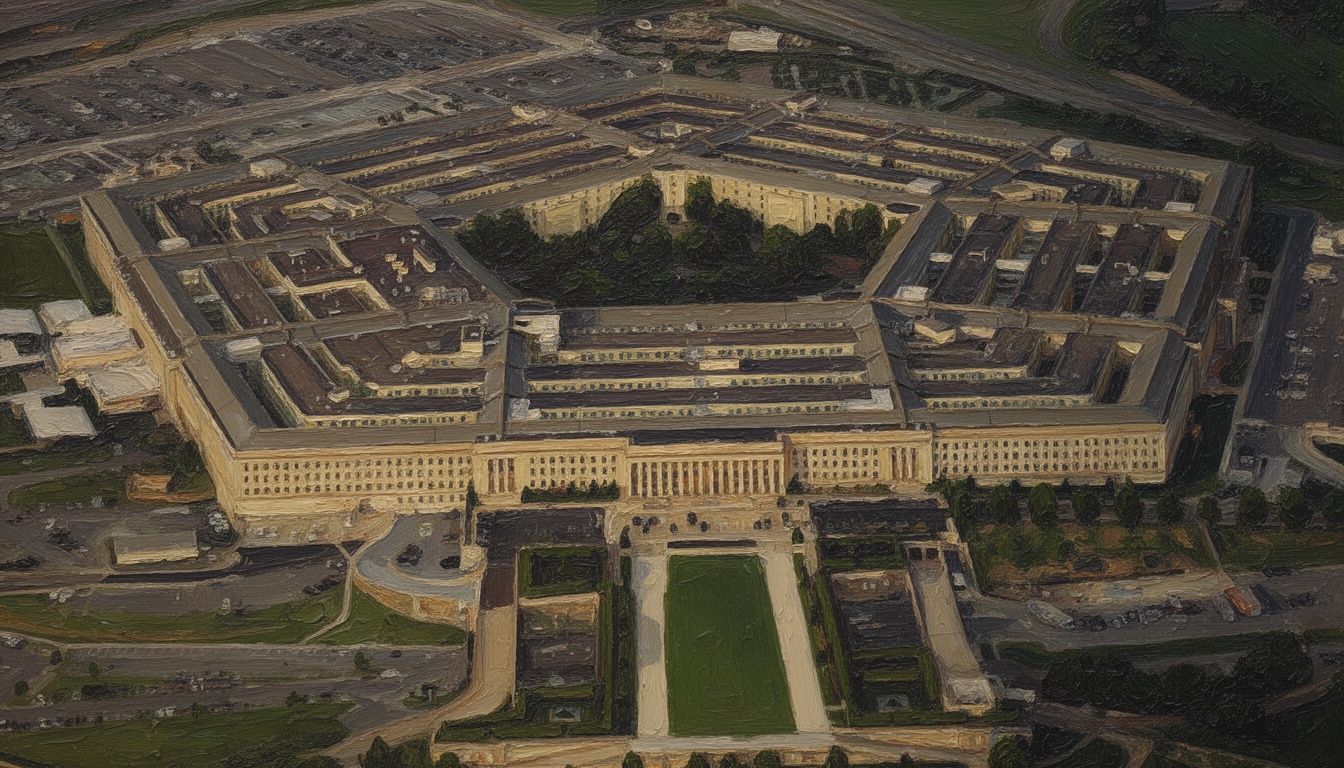
Pentagon Expands Blacklist Including China’s Premier Universities
The Pentagon has expanded its blacklist to include two major Chinese universities, impacting research collaboration. This decision reflects strategic tensions between the US and China over national security concerns.
The Pentagon has officially added Fudan University and Shanghai Jiao Tong University to its blacklist of foreign institutions considered a threat to US national security. This action is part of a broader effort by Washington to tighten research-security controls over international collaborations, particularly those involving Chinese entities. The list now includes a total of 88 institutions located in mainland China, significantly impacting academic and technological cooperation.
This latest decision comes amid escalating geopolitical tensions between the United States and China, especially concerning technology transfer and intellectual property threats perceived by US officials. The inclusion of highly regarded civilian institutions like Fudan University and Shanghai Jiao Tong University indicates a serious shift towards evaluating educational partnerships under national security frameworks. The restrictions aim to mitigate risks associated with defense-funded research falling into the hands of competitors.
The rationale behind this crackdown is rooted in concerns over potential espionage and the unauthorized flow of sensitive information from US researchers to Chinese institutions. The effects of these restrictions will be felt particularly by researchers and academics wishing to engage with their Chinese counterparts. The Department of Defense (DoD) will bar its funded researchers from any collaboration with these universities, as well as from utilizing their facilities, under regulations set to commence in the fiscal year 2026.
With the addition of these universities to the blacklist, the US government reinforces its stance on maintaining technological superiority and safeguarding sensitive defense-related research. The implications of this policy could lead to increased isolation for Chinese academic institutions that have been integral to international collaborative research, potentially hindering innovations that depend on such partnerships.
As the geopolitical landscape continues to evolve, this move signals an ongoing shift in how the US perceives academic institutions abroad—particularly in countries viewed as strategic adversaries. Researchers must now navigate a complex environment in which national security interests overshadow traditional academic collaboration, reconfiguring global research dynamics.