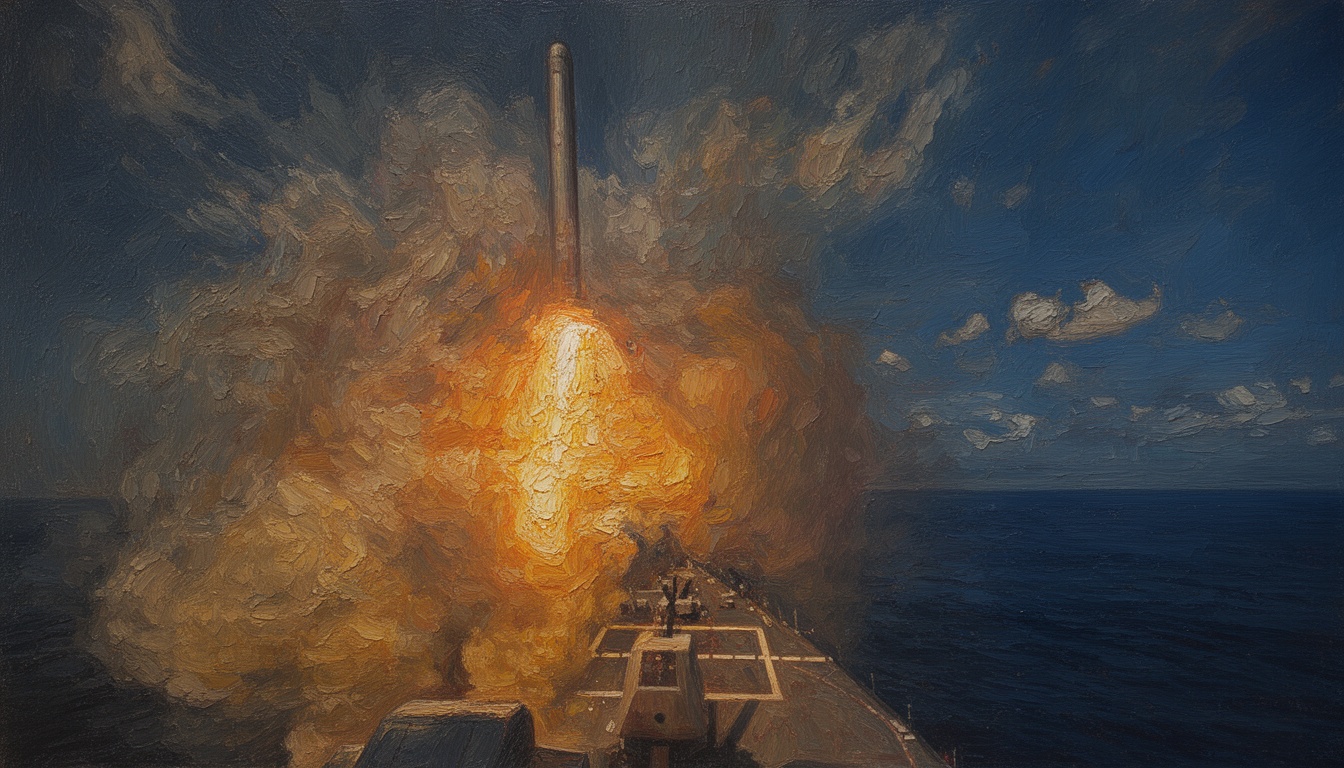
Pentagon Requests $21B to Replace Munitions Used in Iran Conflict
The Pentagon's request for $21 billion raises concerns over sustainability in the Iran conflict. The issue of munitions expenditures was highlighted during a Senate hearing, signaling potential implications for ongoing military operations.
The U.S. Department of Defense has requested $21 billion to replenish munitions expended in the ongoing conflict in Iran. This request was presented during a recent Senate hearing and reflects increasing alarm over the sustainability of U.S. military operations in the region due to dwindling ammunition supplies. The military's ability to maintain operational readiness could be severely impacted if these funds are not approved.
The backdrop for this request lies in the rising intensity of military engagements, which has resulted in the rapid depletion of munitions stockpiles. Lawmakers expressed concerns about the implications of sustained combat operations and the U.S. military's capacity to respond to future threats. This funding is crucial not just for immediate needs but also for ensuring the long-term effectiveness of U.S. forces in the Middle East.
Strategically, the request for this funding indicates a recognition of the ongoing necessity of U.S. military presence and operations in Iran and surrounding areas. As geopolitical tensions continue to rise, maintaining a well-stocked arsenal is vital for deterrence. The Pentagon's budgetary proposals will likely face scrutiny as legislators weigh the implications of ongoing military expenditures.
Operationally, the $21 billion request aims to replace a variety of munitions, including precision-guided munitions and general-purpose bombs. The need to modernize and increase the stock of effective weaponry is underscored by the challenges faced in the current conflict. Additionally, the lack of sufficient munitions could hinder the U.S. forces' ability to execute their missions effectively in the region.
In conclusion, if the Senate approves the Pentagon's funding request, it could bolster the U.S. military's capabilities in the ongoing conflict in Iran. However, the approval process may become contentious as discussions about military appropriations and the implications of continued engagement in the region unfold. The decision made in Congress will have significant consequences for future U.S. military operations and strategy.