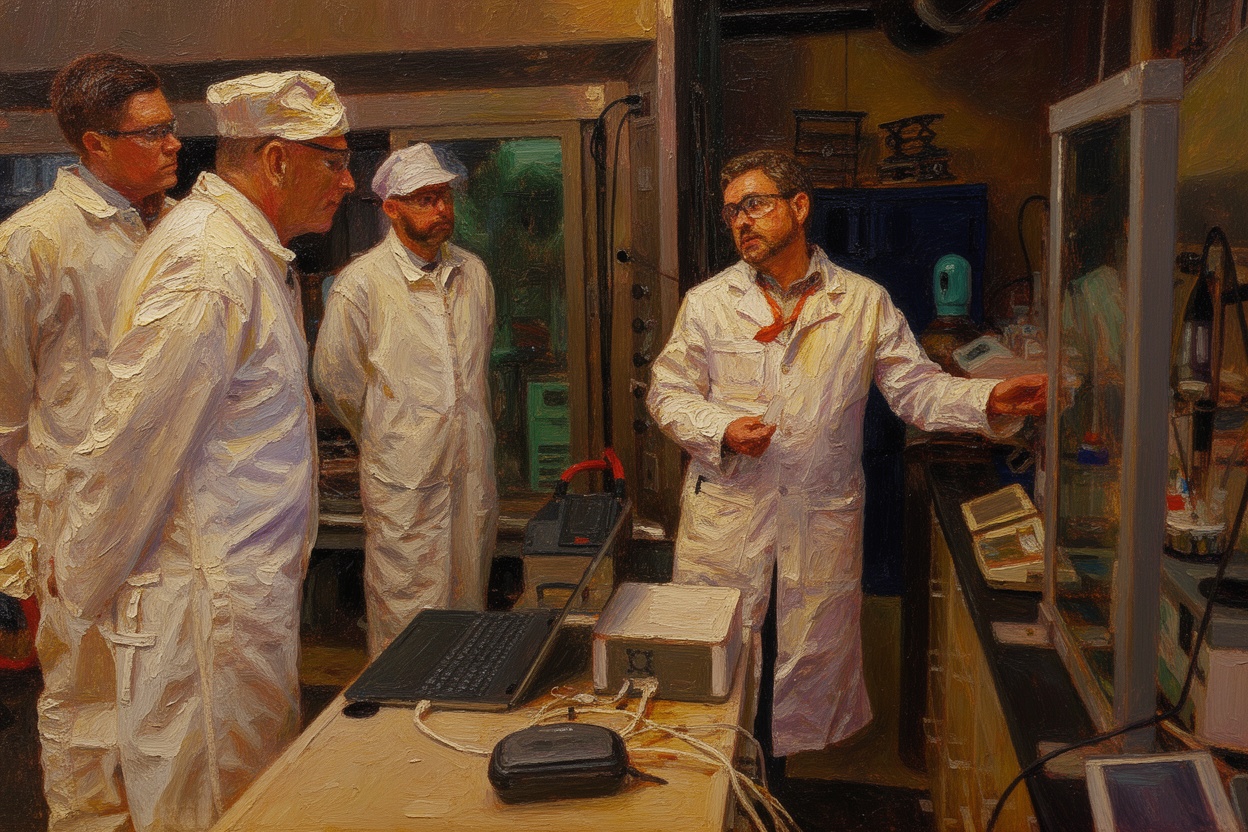
Pentagon Research Infrastructure Faces Severe Deterioration
A new analysis reveals significant issues within the Pentagon's research operations, hampering critical defense advancements. Backlogged security clearances and funding shortages pose severe threats to military research capabilities.
A recent study highlights alarming deterioration in the Pentagon's research infrastructure. The analysis points to several critical issues hampering effective military research and development. Significant delays in the security clearance process have led to a backlog that prevents timely staffing of essential projects.
In addition to the security clearance delays, limited funding has also severely impacted the Pentagon's ability to construct or upgrade laboratory facilities. These constraints hinder the development of new technologies crucial for maintaining military superiority. As countries around the globe ramp up their defense spending and technological advancements, the U.S. risks falling behind due to these infrastructural challenges.
Strategically, the failure to invest in research infrastructure could undermine the United States' position in global military and technological competition. As peer competitors like China and Russia make significant investments in their military capabilities, the Pentagon's struggles with logistics, personnel hiring, and facility upgrades could enable adversaries to gain a decisive edge.
Operationally, the study suggests an urgent need for reforms in the way the Pentagon manages security clearances and funding allocations. Improving the hiring process and providing adequate financial resources could mitigate some of the current challenges. This would allow for a more robust and agile research environment that can effectively respond to the evolving demands of modern warfare.
In conclusion, the Pentagon must prioritize its research infrastructure to remain competitive in an increasingly complex global security landscape. Addressing these challenges is critical for future military readiness and technological innovation.