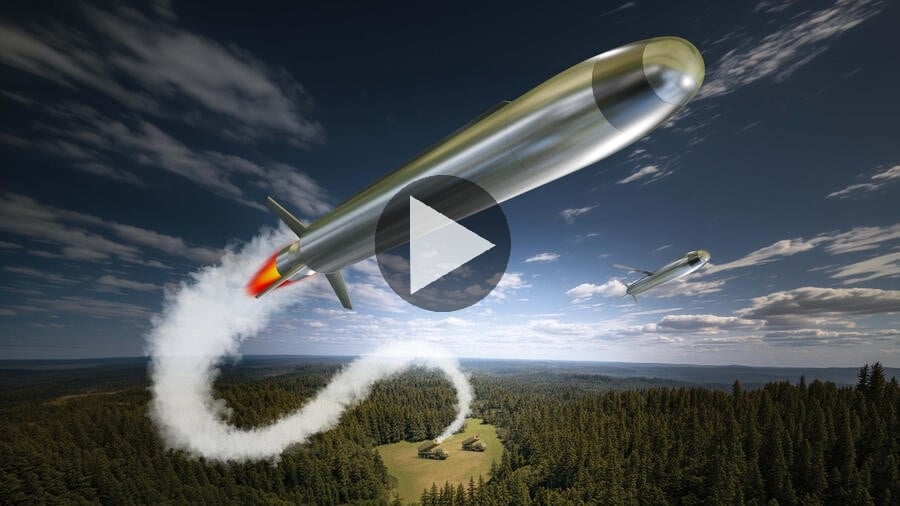
Pentagon Seeks 10,000 Small Cruise Missiles Amid Defense Expansion
The Pentagon's request for 10,000 small cruise missiles signifies a strategic shift in U.S. military capabilities. This move indicates an increase in emphasis on precision weapons and advanced technology.
The Pentagon has initiated plans to acquire 10,000 small cruise missiles as part of its new munitions strategy. This unprecedented request underscores a pivot toward enhancing precision strike capabilities in response to evolving security challenges. The push for these munitions could affect global arms markets and lead to increased competition among defense contractors.
Historically, the Pentagon has focused on larger missile systems, but recent conflicts have highlighted the necessity for smaller, more agile weaponry. The demand for 10,000 small cruise missiles reflects a recognition of the changing nature of warfare, particularly in urban and asymmetrical environments where rapid responsiveness is crucial. This shift may also be influenced by the need to counter increasingly sophisticated adversarial missile systems globally.
Strategically, the Pentagon’s focus on small cruise missiles may enhance deterrence capabilities against regional threats, particularly from adversaries with advanced air defense systems. By integrating these smaller missiles into its arsenal, the U.S. aims to replicate the successes seen in previous conflicts where precision strikes have proven effective. This strategic pivot could reshape U.S. military operations in future engagements.
The production of these small cruise missiles will likely be awarded to key defense contractors such as Raytheon Technologies and Northrop Grumman. Both companies have advanced capabilities in cruise missile technology, with Raytheon’s Tomahawk missile system being one of the most notable examples. The budget for this new munitions request has not been officially disclosed, but preliminary estimates suggest significant financial allocation considering the scale of the request.
In conclusion, the Pentagon's push for 10,000 small cruise missiles signals a strategic shift that could alter the landscape of military preparedness. This initiative underscores a broader commitment to modernization in response to emerging threats and changing warfare dynamics. As the defense industry gears up for this demand, the ramifications may extend beyond U.S. borders, influencing global defense strategies and arms proliferation discussions.