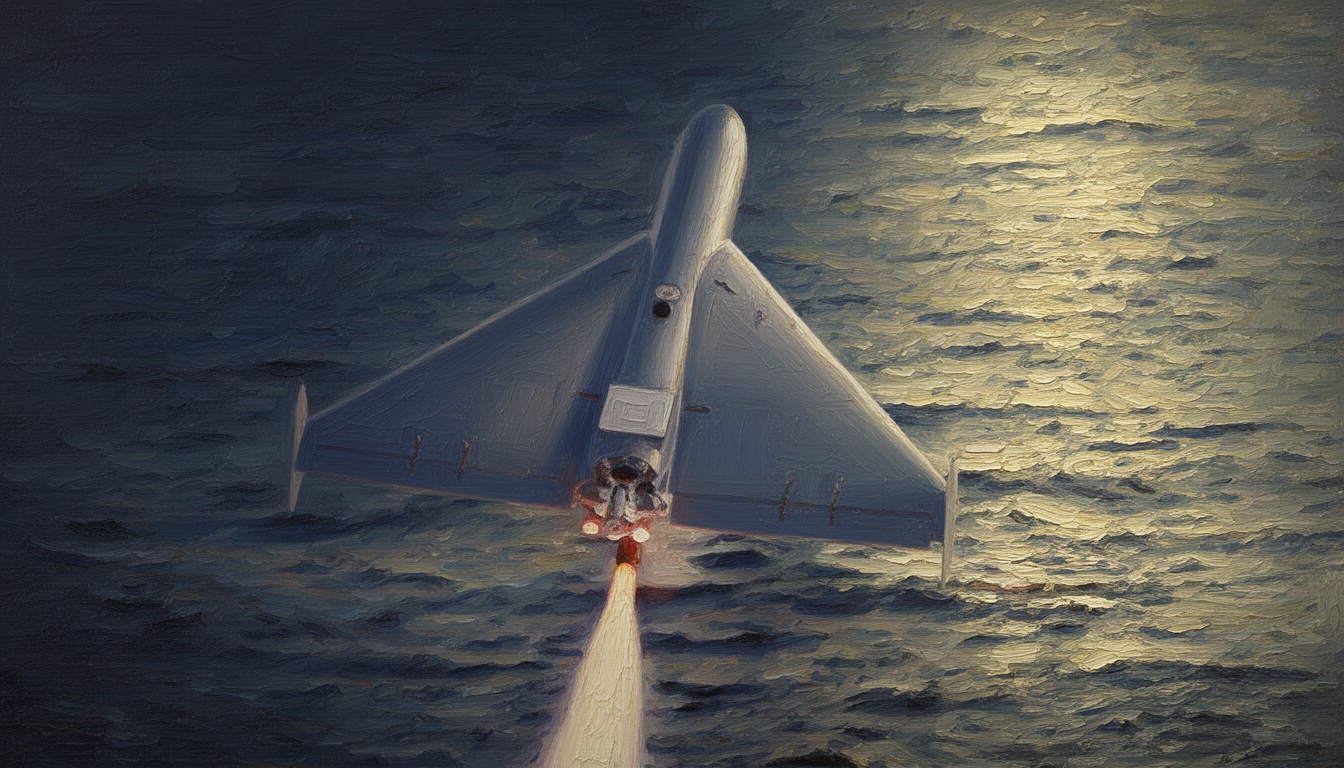
Pentagon’s Dependency on SpaceX Raises Concerns Over Drone Costs
The costs associated with LUCAS kamikaze drones and their integration with Starlink emphasize the Pentagon's reliance on SpaceX. This dependency on a private entity may impact operational costs and military strategy.
The rising costs to integrate LUCAS kamikaze drones with SpaceX's Starlink network highlight a critical issue for the Pentagon. Reports indicate significant fees are being discussed, raising alarms about how much the military is willing to pay for these essential services.
The Pentagon's increasing reliance on commercial space solutions has become a topic of debate among defense analysts. SpaceX has emerged as a key player in providing satellite communication capabilities, which are vital for modern military operations. This trend raises questions about the implications for national security when essential military operations become tied to commercial business decisions.
Strategically, the dependency on SpaceX for technologies integral to military drones could lead to challenges in operational flexibility and cost management. As the synergy between commercial tech and military applications broadens, concerns about negotiation power and budget overruns are likely to grow within defense circles.
The integration of LUCAS drones, designed for precision strikes, with Starlink could require updates in technical specifications and operational protocols. If costs continue to rise, the Pentagon may need to reassess its procurement strategies and potential alternatives in the defense technology market.
Ultimately, this situation could prompt a reevaluation of the U.S. military's strategy regarding partnerships with private companies. Emphasizing self-reliance in critical technology could become more important as the military navigates pressures related to evolving technology costs and capabilities.