Peru Faces Tension Over Upcoming Presidential Run-off Vote
Peru's presidential race remains deeply polarized, with rising crime driving voters' anxiety. On the verge of elections, divisions between candidates reflect broader civil unrest in the region.
Peru's presidential run-off elections are set against a backdrop of significant political tension, as candidates Keiko Fujimori and Roberto Sanchez make their final appeals to an increasingly anxious electorate. The competition between the conservative Fujimori and leftist Sanchez has become emblematic of the broader struggles facing the country, particularly regarding rising crime and political instability that have fueled public discontent.
Historically, these elections are marked by a legacy of political strife, with Fujimori's family surname evoking memories of authoritarian rule in the 1990s. Sanchez's supporters view him as a potential harbinger of radical change; however, many fear a return to instability that characterized previous administrations. Political discourse has devolved into vehement accusations, where each camp labels the other as either aligned with communism or dictatorial tendencies.
This election cycle is significant not only for Peru but also reflects a concerning trend across Latin America, where populist movements and concerns about crime rates shape political landscapes. The choice between Fujimori and Sanchez represents a deeper ideological fracture within Peruvian society, as voter turnout is anticipated to be influenced by fear of the opposing camp's policies bringing chaos.
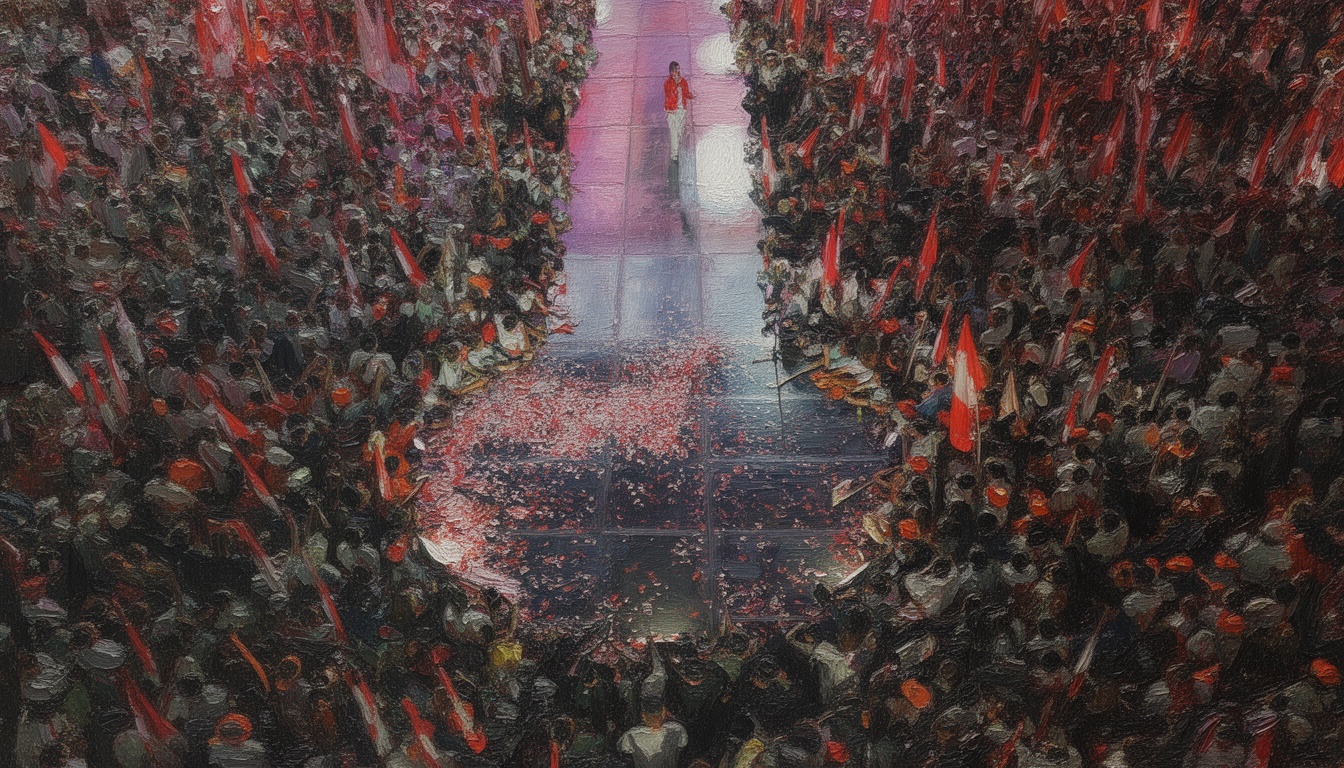
Electoral tensions are palpable, with both candidates targeting Lima, the capital, to rally their core supporters. On Thursday, both camps unleashed emotional rhetoric, branding their adversaries as threats to national stability. Fujimori’s supporters wielded signs denouncing Sanchez as a communist, while Sanchez's loyalists countered by emphasizing the corruption and failures of Fujimori’s past.
In the wake of the election, the ramifications could be far-reaching. Should Sanchez win, it may provoke intense backlash from Fujimori's base, potentially igniting civil unrest. Conversely, a Fujimori victory could further alienate voters seeking progressive change, thereby deepening the societal divide. The outcome will likely set the tone for Peru’s political climate and influence the stability of governance in the region for years to come.