Pew Study Indicates Global Preference for China Over US
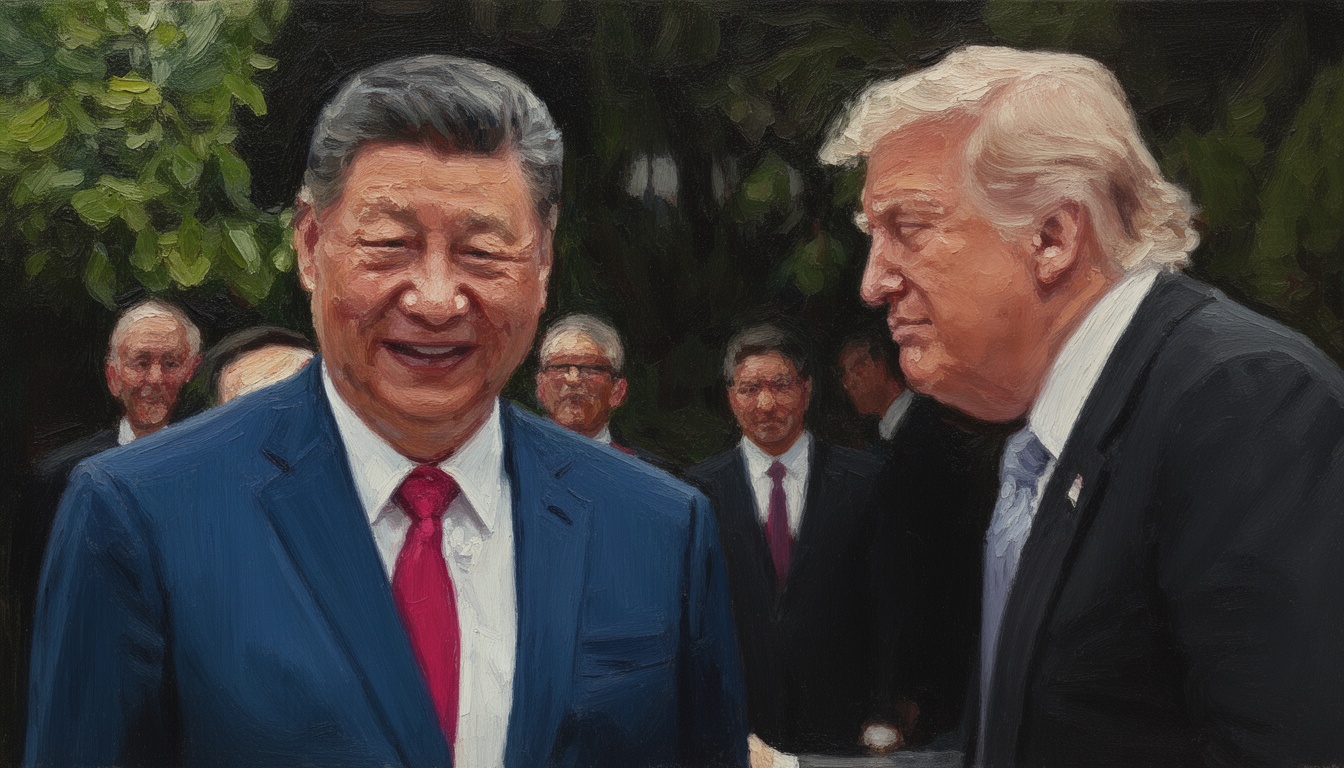
A recent Pew study reveals increasing global confidence in China, led by Xi Jinping, compared to the US under Donald Trump. This trend suggests shifting international perceptions.
A new Pew Research Center study has indicated a notable change in global opinion regarding major powers. According to the survey, a rising number of individuals across various countries express a preference for China over the United States. Specifically, confidence in Chinese President Xi Jinping surpasses that in former US President Donald Trump, highlighting significant geopolitical shifts.
This survey was conducted across multiple nations, observing varied sentiments influenced by recent political events and international relations. The growing confidence in China's governance style is notable in regions traditionally aligned with the US. As global power dynamics evolve, this shift reflects changing views on leadership effectiveness and international cooperation.
The strategic implications of this trend cannot be understated. The increase in favorable opinions towards China may embolden Beijing's global initiatives and influence in multilateral forums. Meanwhile, the Biden administration faces challenges in restoring faith in American leadership amidst concerns about domestic policies and global engagement strategies.
Technical data from the survey indicates a significant demographic shift in perceptions, particularly among younger generations. As countries reassess their foreign policies, leaders may need to adapt strategies to counterbalance this growing pro-China sentiment. The credibility and influence of American diplomacy could be further tested as nations prioritize partnerships that align with emerging global trends.
Looking forward, this evolving landscape will have far-reaching consequences for future international relations. If this trend continues, the implications for global alliances and economic cooperation could be profound, necessitating swift adjustments from policymakers in Washington and other Western capitals.