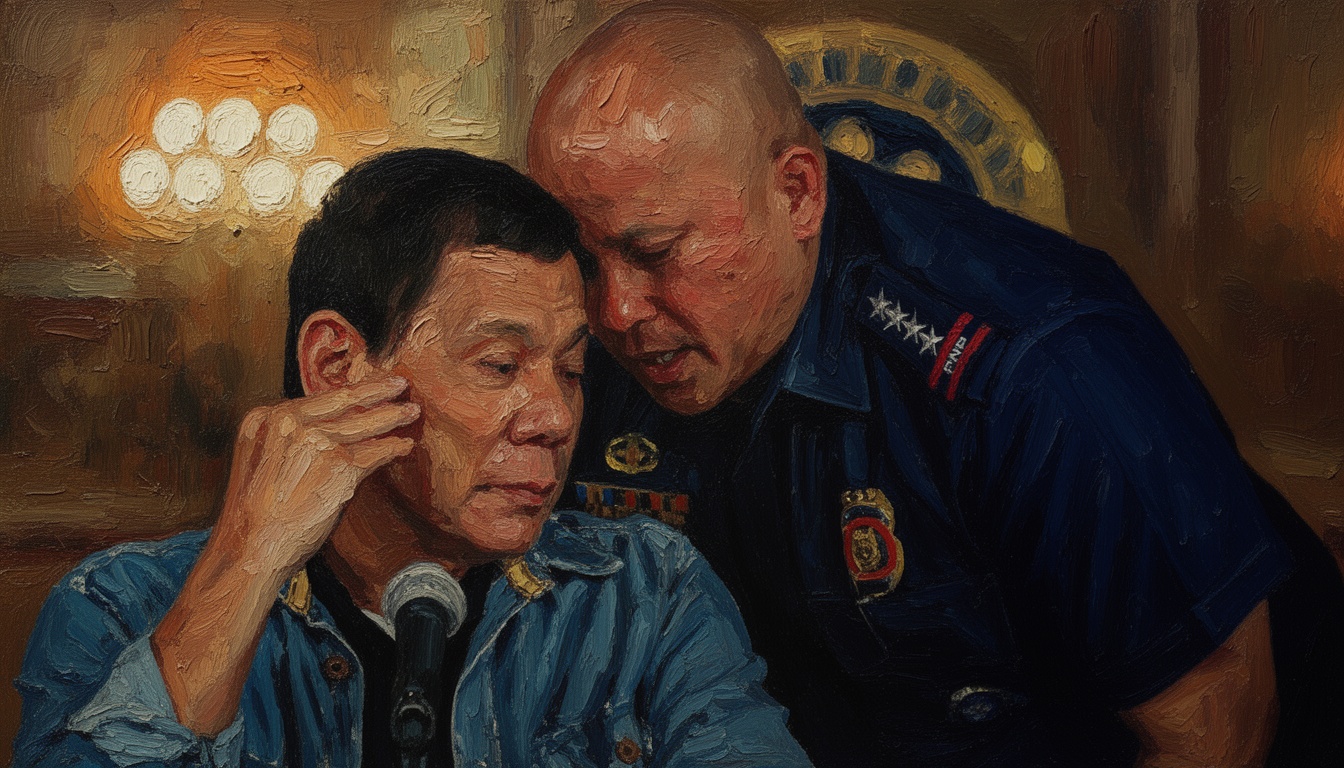
Philippine Senator Evades Arrest Linked to ICC Drug War Warrant
The International Criminal Court’s warrant against Senator Ronald Dela Rosa marks a significant moment in the Philippines' ongoing political turmoil. The senator, closely associated with former President Duterte’s drug war, remains protected by Senate privileges.
Philippine authorities announced on Monday that Senator Ronald Dela Rosa will not be arrested at this time despite a warrant issued by the International Criminal Court (ICC) regarding his alleged involvement in the drug war under ex-President Rodrigo Duterte. This situation follows an extended standoff in the Senate, where Dela Rosa has sought to assert his legislative immunity.
Dela Rosa, who previously held the position of police chief and was considered a key enforcer during the violent crackdown on drug offenses in the Philippines, is facing serious charges that tie him to the deaths of thousands in anti-drug operations. His association with Duterte’s administration has made him a controversial figure, and the legal implications of the ICC’s warrant signify potential international accountability for human rights abuses.
The ICC’s involvement underscores the growing scrutiny of the Philippines' drug war, seen as a critical juncture in the country's governance and political landscape. Activists and human rights organizations have long condemned the high death toll linked to Duterte's policies, and Dela Rosa's case may become a focal point for further investigations into the Philippines’ justice system and governance.
In operational terms, the National Bureau of Investigation (NBI) director Melvin Matibag stated that Dela Rosa would be considered as being in the custody of the Senate, which effectively shelters him from arrest. This protection reflects the broader implications of political power in the Philippines, wherein legislative leaders can evade legal repercussions through procedural privileges.
Looking ahead, the political ramifications of this situation could lead to deeper divides within the Philippine political framework. The ICC's continued probes and the global spotlight on alleged human rights violations may bolster opposition movements and provide momentum for calls to reassess the current administration’s policies on drug enforcement, potentially reshaping the country's future governance.