Philippines Transforms Military Strength, Yet Buildup Lags
The Philippines has significantly improved its military capabilities, moving away from its previously perceived weakness. However, substantial challenges remain in modernizing its forces and achieving operational readiness.
The Philippines has made considerable strides in its military modernization, evolving from a historically weak defense posture into a more formidable force. Recent developments include increased defense spending and the acquisition of advanced weaponry, aiming to bolster national security in response to regional tensions, particularly concerning China's assertiveness in the South China Sea.
Historically, the Philippines struggled with military deficiencies, relying heavily on external support, particularly from the United States. However, under President Ferdinand Marcos Jr.'s administration, a renewed focus on self-sufficiency and defense capability enhancement has gained momentum. This strategic pivot has been marked by expanded military exercises with the U.S. and enhancements to local defense industries.
Strategically, the Philippines' military upgrade is crucial not only for national defense but also for maintaining balance in a region increasingly influenced by Chinese military expansion. Regional partners have highlighted the importance of a capable Philippine defense force as a deterrent against potential aggressors, ensuring stability in Southeast Asia.
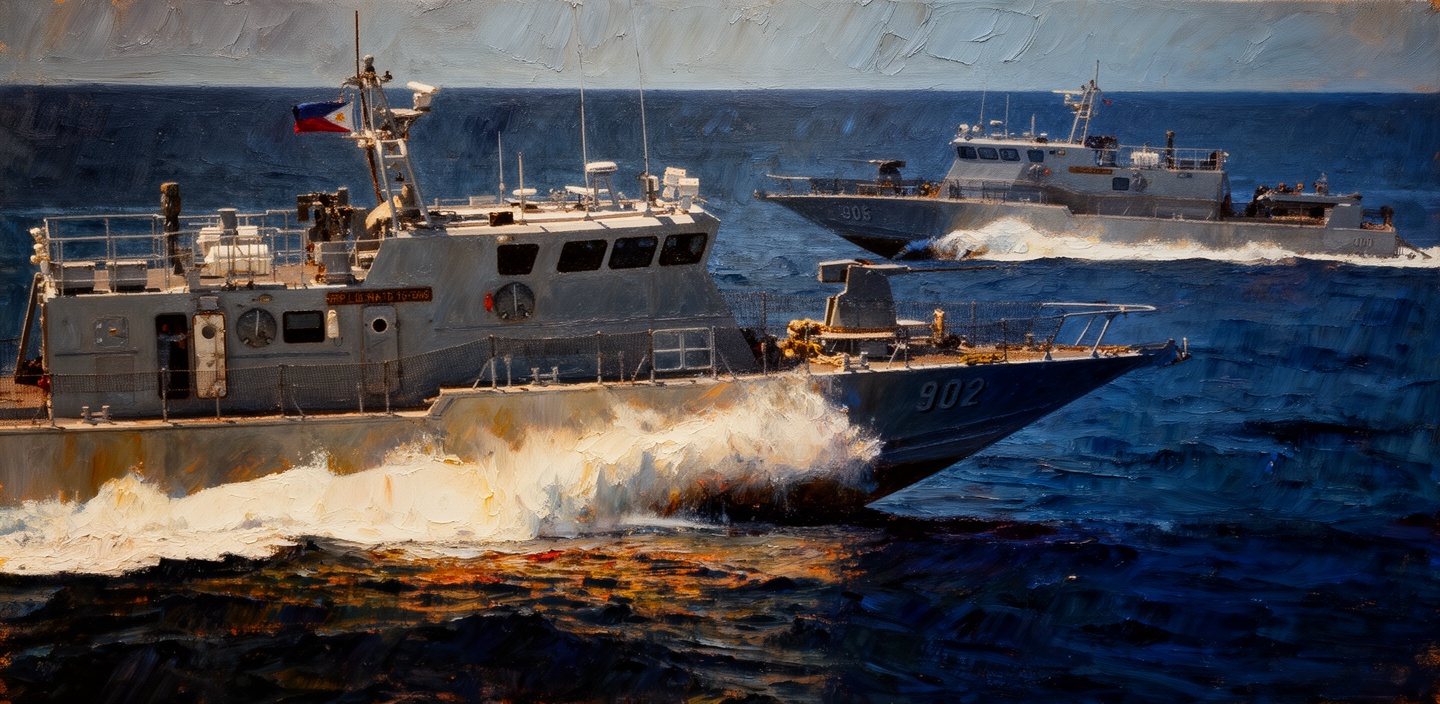
The Philippines has sought modern equipment, including the acquisition of advanced fighter jets, naval vessels, and surveillance systems. The budget for defense has increased significantly, reaching approximately PHP 230 billion (USD 4.5 billion) for the 2023 fiscal year, underscoring a commitment to long-term military growth. The introduction of new systems aims to enhance maritime patrol capabilities and respond more effectively to territorial threats.
Looking ahead, the Philippines faces considerable challenges in fully realizing its objectives for military strength. The pace of modernization must accelerate to address existing vulnerabilities and align with regional security demands. Continued partnerships and investments will be vital in overcoming resource constraints and ensuring the Philippines evolves into a well-rounded military power in the years to come.