PLA Plan Targets US Carriers from 3,000km Away
Chinese military scientists propose missile plan against US carrier groups, highlighting strategic military advancements.
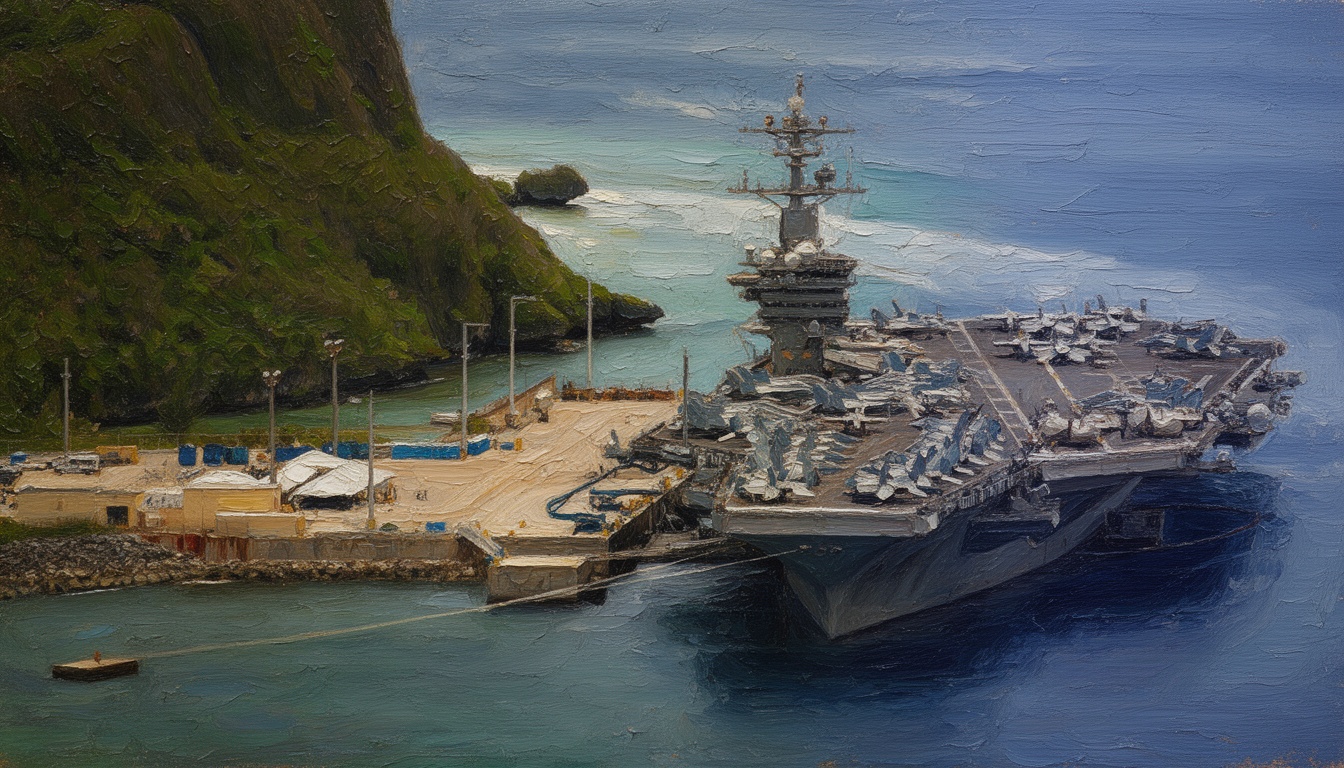
Chinese People's Liberation Army (PLA) scientists have put forward a controversial plan to target US aircraft carrier groups from a staggering distance of 3,000 kilometers. This proposal comes at a time when the United States is repositioning valuable military assets, moving them away from coastlines in Asia to more secure locations like Guam, which is significantly out of reach for traditional missile capabilities.
The advancement of China's military technology, particularly its missile systems, has raised alarm among defense analysts. The capability to strike US carriers at such long ranges signals a shift in the military balance in the Asia-Pacific region and showcases the PLA's growing confidence. If implemented, this plan could have serious implications for naval operations in the region and challenge US naval dominance.
The strategy underlines a broader concern regarding regional security dynamics, as China continues to bolster its military presence in the South China Sea and beyond. The potential for conflicts in this vital maritime area could become more pronounced, as the United States faces increasing threats to its carrier strike groups. This development marks a pivotal point in US-China relations and military engagements.
Technically, the PLA may leverage next-generation missile systems, equipped with advanced targeting and guidance capabilities. The range of 3,000 kilometers would necessitate substantial investments in missile technology, making it a significant concern for US defense planners. This plan reflects a move towards greater deterrence and offensive capabilities by China’s military forces.
In conclusion, if the PLA's proposal comes to fruition, it could transform the strategic landscape of naval warfare in the Asia-Pacific region. The likelihood of escalated tensions and increased military preparedness on both sides is high, as each party reassesses its defense strategies in response to emerging threats. This evolving scenario warrants close monitoring as regional dynamics continue to shift.