Putin's Fear Reveals Shift in Russia-Ukraine War Dynamics
Melinda Haring analyzes how military and psychological factors are shaping the Russia-Ukraine conflict, highlighting Putin's growing paranoia and defensive posture.
Melinda Haring, an expert on Ukraine and a non-resident Senior Fellow at the Atlantic Council's Eurasia Center, has provided a stark analysis of the psychological and military balance in the ongoing conflict between Russia and Ukraine. In her commentary, she argues that the Kremlin’s increasingly defensive stance reveals a significant shift in Vladimir Putin's demeanor and approach to the war. As the May 9 Victory Day celebrations approach, Haring claims, “Vladimir Putin is finally afraid.”
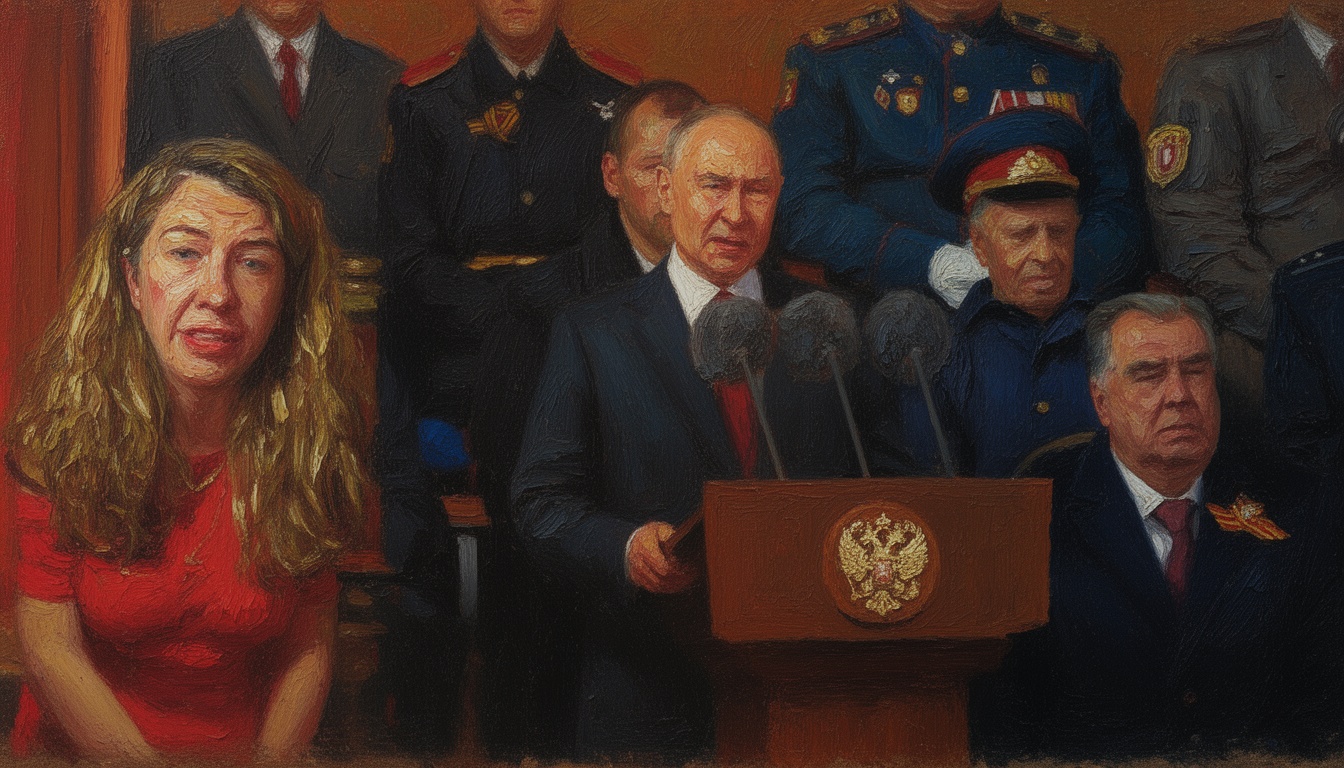
Haring interprets the upcoming Victory Day parade not as a demonstration of impressive military might, but as a symbol of vulnerability and anxiety within the Kremlin. She contrasts this year’s anticipated events with those of the previous year, stating, “A year ago, the celebration in Red Square was big and bold... This year, it’s not big. It’s not bold. It’s going to be kind of pathetic and they’re fearful.” This shift signals a change not only in military effectiveness but also in the psychological landscape of Russian leadership.
The implications of these military developments extend into the realm of political psychology, where Haring describes an increasingly isolated Putin. Her assessment suggests that his deepening paranoia stems from the dual pressures of warfare and internal power dynamics. “He’s not only afraid of the Ukrainians wanting to whack him, he’s afraid that the elite around him is starting to break.” This insight points to a potential fragility within the Russian elite, further complicating Putin's control.
In redefining the narrative of the war, Haring challenges the traditional symbolism associated with Victory Day. Instead of revering the Soviet military legacy, she emphasizes the achievements of Ukrainian defenders, stating, “what they’ve been able to accomplish with so little.” This reframing not only addresses the current military realities but also highlights the importance of symbolic power in shaping perceptions and confidence among authoritarian regimes that face prolonged conflict.
Ultimately, Haring's commentary uncovers the many layers of fear, perception, and reality that are now defining the Russia-Ukraine conflict. As the situation evolves, these insights into the psychological pressures affecting both the battlefield and the Kremlin could have lasting implications for the region's future dynamics.