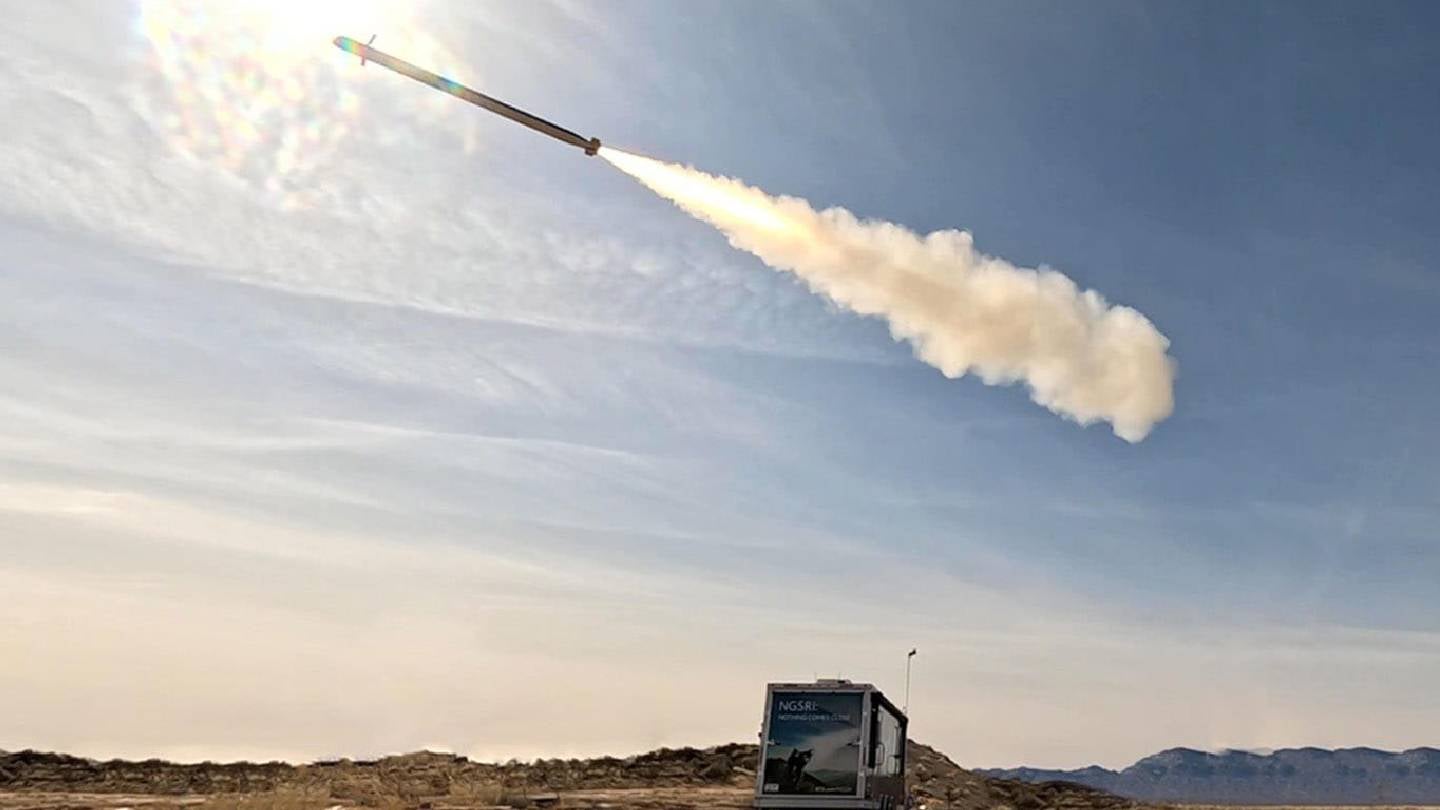
Raytheon Demonstrates Next Generation Short Range Interceptor
Raytheon has successfully demonstrated its Next Generation Short Range Interceptor, designed to replace the Stinger missile system. This development is crucial for the modernization of the US Army’s air defense capabilities.
Raytheon Technologies Corporation (RTX) has announced the successful demonstration of its Next Generation Short Range Interceptor (NGSRI). This missile system is intended to replace the existing Stinger surface-to-air missile currently used by the United States Army. The demonstration showcased advanced capabilities to engage multiple aerial threats, enhancing battlefield effectiveness.
The NGSRI program aims to modernize the Army's air defense systems by providing new technological solutions that meet evolving air threats. The existing Stinger system has been in service for decades and requires a more comprehensive capability to counter advanced aerial threats. This initiative aligns with U.S. defense priorities for enhanced interoperability and adaptability in air defense operations.
Strategically, the NGSRI serves as a vital component in ensuring the United States maintains air superiority, particularly against unmanned aerial vehicles (UAVs) and advanced strike platforms. The ability to integrate this missile system into current air defense networks would provide a significant boost to overall combat readiness.
The NGSRI features a new design that integrates advanced radar capabilities and improved missile guidance systems. While specific technical specifications remain classified, the development reflects a significant investment in the U.S. defense industry to enhance the military's operational capabilities.
Looking ahead, the successful demonstration of the NGSRI indicates a step forward in military modernization efforts. The U.S. Army is likely to prioritize the transition from the Stinger to the NGSRI, enhancing its air defense posture against a variety of threats. Continued development will be crucial for future operational deployments and engagements.