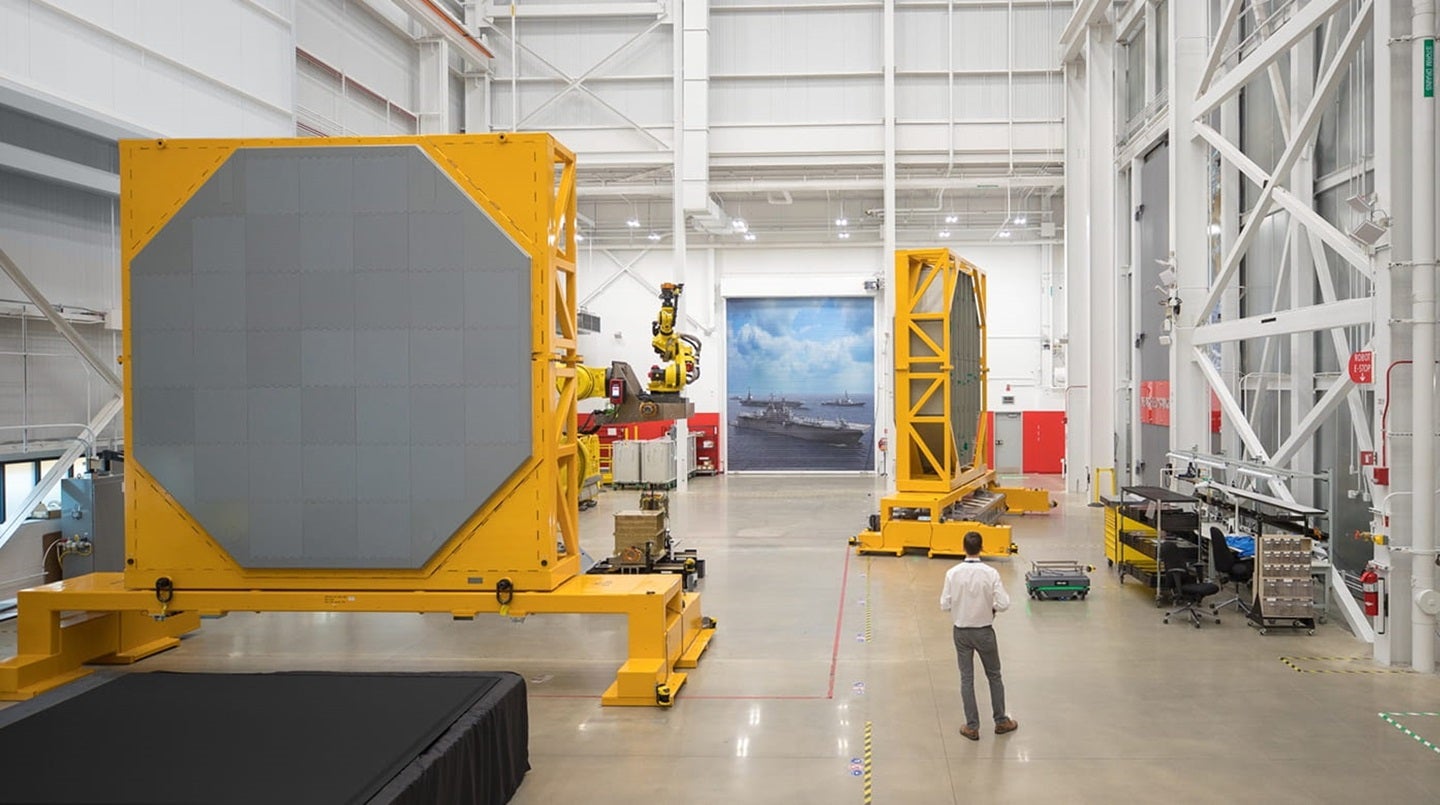
Raytheon to Test SPY-6(V)4 Radar in Virginia Facility
Raytheon's upcoming tests of the SPY-6(V)4 radar represent a significant advancement in maritime surveillance capabilities.
Raytheon is set to conduct testing of its SPY-6(V)4 radar array at a facility in Virginia, reflecting ongoing developments in naval warfare technology. The SPY-6 radar family is expected to provide enhanced detection capabilities compared to previous models, particularly the SPY-1 radar used in earlier Aegis systems.
The SPY-1 radar has been a staple of naval operations since the 1980s, forming the backbone of Aegis weapon systems on numerous U.S. Navy ships. In contrast, the SPY-6 radar employs modern technology such as distributed aperture systems and advanced signal processing, allowing for improved tracking accuracy and a wider field of view.
Strategically, the introduction of the SPY-6(V)4 could alter naval engagement protocols, increasing maritime situational awareness for naval fleets. This capability is crucial especially in modern conflicts where early threat detection and response are essential for operational success.
The SPY-6(V)4 features an array of enhanced radar components, capable of conducting simultaneous air and missile defense operations. Raytheon aims to roll out this technology to replace older systems, providing a significant upgrade in performance metrics while enhancing coalition and interoperability capacities.
The successful testing and deployment of the SPY-6(V)4 radar array will likely increase the competitive edge of the U.S. Navy, paving the way for future advancements in maritime defense systems. Observers will be closely monitoring these developments as they will have implications for global naval capabilities and deterrence strategies.