RIMPAC Exercise Tests Cutting-Edge Military Technology
The recent RIMPAC exercise has showcased innovative military technologies, including 3D printing and missile launches from uncrewed vessels. These developments signal a shift in modern warfare techniques and capabilities.
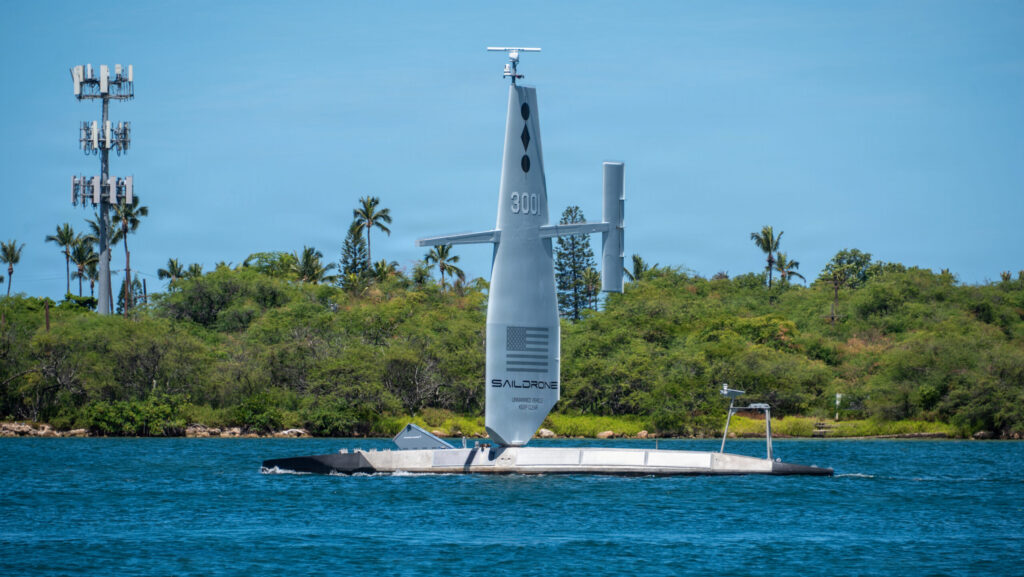
The multinational RIMPAC (Rim of the Pacific) exercise is set to serve as a critical platform for testing advanced military technologies. Participants will engage in high-end warfighting training, with a focus on integrating cutting-edge innovations into military operations. Notably, the exercise will explore the potential of 3D printing for in-field manufacturing and the capabilities of launching missiles from uncrewed vessels.
RIMPAC, which occurs biennially, involves navies from countries like the United States, Australia, Canada, and Japan. This year's exercise is particularly significant as it emphasizes the need for militaries to adapt to evolving technologies and asymmetric warfare tactics. Collaborative training exercises also enhance interoperability among allied forces, improving their readiness for future conflicts.
The strategic importance of integrating 3D printing technology into combat operations cannot be overstated. This capability allows for the rapid production of spare parts and specialized equipment, potentially reducing logistical delays in combat scenarios. Additionally, launching missiles from uncrewed vessels represents a transformative shift in strike capabilities, allowing for precision strikes without the immediate risk to personnel.
The integration of such technologies may reshape naval warfare significantly. By utilizing uncrewed vessels, navies can enhance tactical flexibility and reduce vulnerability during operations. The success of these technologies in RIMPAC could lead to broader adoption across allied forces, paving the way for a new era in military strategy.
As international security dynamics continue to evolve, exercises like RIMPAC will play a crucial role in preparing military forces for future challenges. The results of these experiments could inform defense policies and operational strategies globally, with implications for how militaries train and equip themselves moving forward.