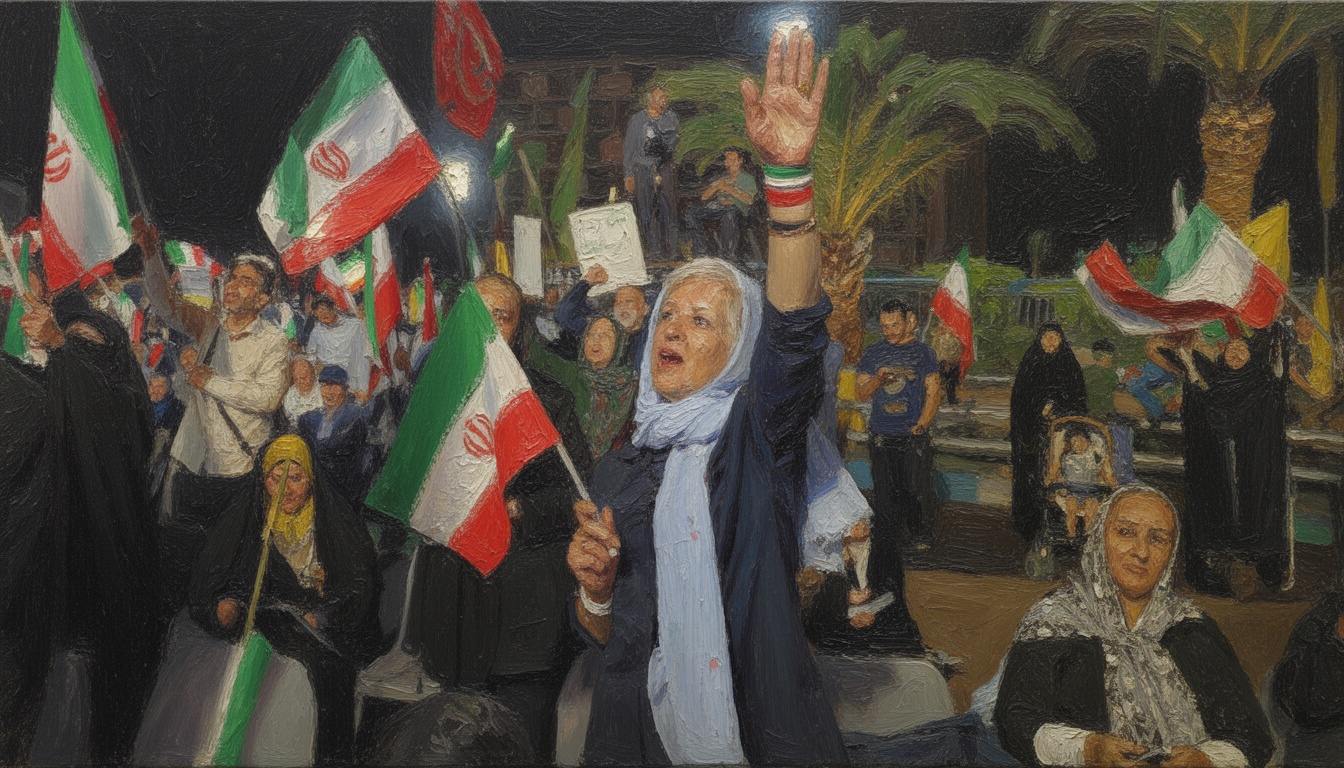
Rising Tensions in Iran Over Potential Conflict with Israel
Iranian citizens express deep anxiety over renewed hostilities with Israel, following recent strikes. The threat to a fragile ceasefire raises critical regional stability concerns.
Residents of Tehran are experiencing heightened anxiety as fears of full-scale war with Israel loom. Following reciprocal strikes between Iran and Israel, the situation has marked a significant threat to the already fragile ceasefire in the region. This escalation has left many citizens unsure of what the future holds.
Maryam, a 41-year-old accountant from Tehran's central Valiasr Square, voiced the prevalent concern among residents. "We don't know if there will be a war, nor if a peace deal will last," she stated, emphasizing the overwhelming sense of uncertainty gripping the city. Such feelings are common as the community grapples with fears of another round of violent conflict.
This latest exchange of strikes further illustrates the volatility of the Iran-Israel relationship. On Sunday, Israeli operations targeted locations in Tehran, raising alarms over potential escalation. The situation is exacerbated by Iran's strategic partnerships and ongoing military developments, potentially complicating the regional power dynamics.
The military postures of both nations suggest readiness for further conflict. Iran has been actively reinforcing its air defense systems, while Israel continues to operate advanced aircraft capable of conducting long-range strikes, including the F-35I Adir. This combination of capabilities contributes to an environment ripe for escalatory actions.
The consequences of renewed hostilities could be profound, not only for Iran and Israel but also for the broader Middle East region. A resurgence of open conflict would likely destabilize neighboring countries and could lead to increased international involvement, further complicating already strained geopolitical relations.