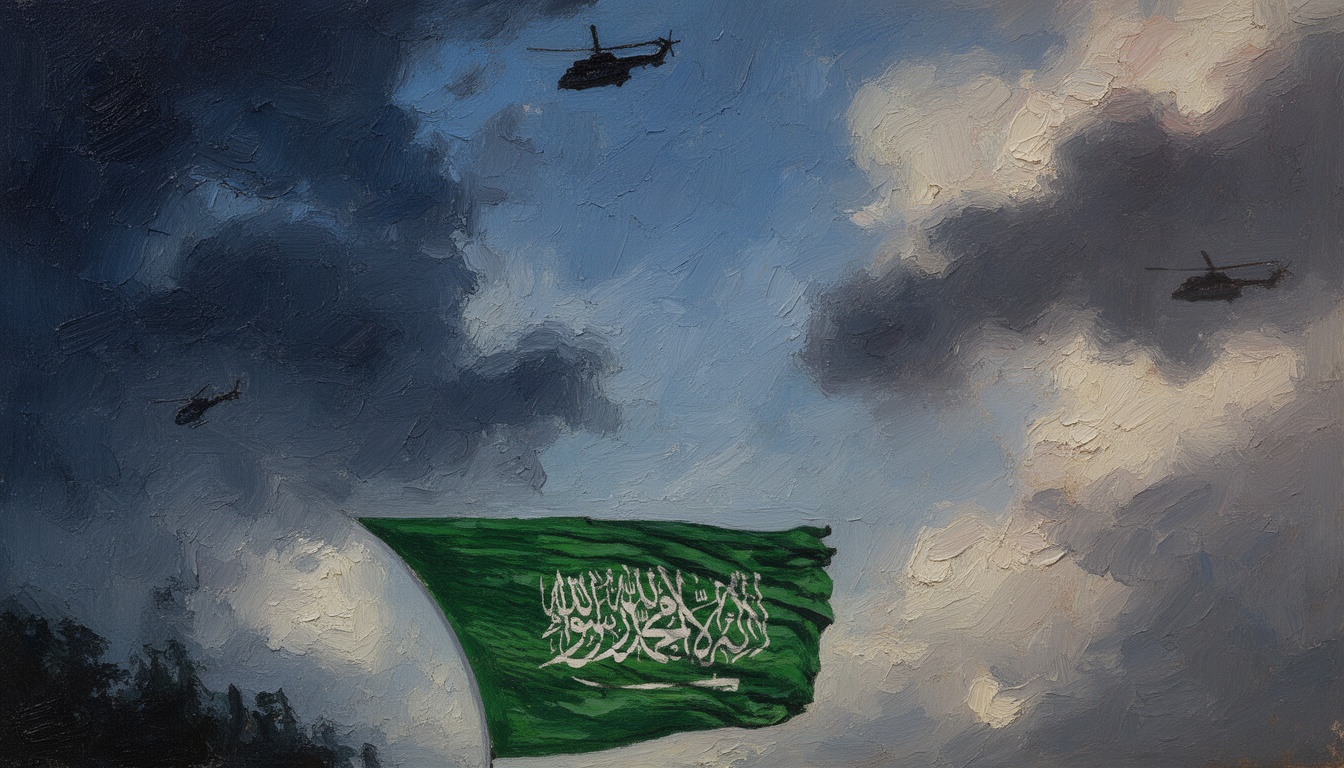
Riyadh Joins US in Striking Iran-Backed Militias
Saudi Arabia's airstrikes signal a potential shift in its regional stance. This aligns with the U.S. and raises concerns about Tehran's response.
On Wednesday, Saudi Arabia conducted airstrikes against Iran-backed militias in Iraq, marking a historic collaboration with the United States in military operations in the region. This development signals a significant shift for Riyadh, which has largely maintained a cautious approach towards Iran. As tensions in the Middle East escalate, this move might indicate an end to the restraint that characterized Saudi policy in recent months.
The backdrop of this military action can be traced to the growing influence of Iran in Iraq and its backing of various militia groups that threaten Saudi security. The decision to join the U.S. in these airstrikes reflects heightened concerns within the kingdom regarding Iranian aggression and its destabilizing activities across borders. Riyadh's insistence on acting in self-defense underscores its urgent need to counter perceived threats from Tehran.
Strategically, this partnership with the United States signals a re-evaluation of Saudi defense policies, in which military cooperation against common adversaries may become more pronounced. The implications are significant, with the potential for increased Iranian hostilities and retaliatory measures, which could lead to a wider regional conflict. This action also demonstrates a commitment to enhancing regional security in the face of Iranian expansionism.
Operationally, the specific details of the airstrikes remain vague, but they represent a shift in Riyadh's military engagement in the region. Current military capabilities may have been evidenced, suggesting an increased readiness to act in concert with U.S. forces. Reports indicate that this collaboration is part of a broader strategy to deter Iranian influence, utilize advanced weaponry, and solidify alliances in the region.
In summary, this collaboration marks a pivotal moment for Saudi Arabia, moving from a defensive posture to a more proactive military strategy. The long-term consequences for Saudi-Iranian relations could lead toward either greater escalation or necessitate a reconsideration of diplomatic engagement as both nations navigate this newfound military dynamic.