Royal Netherlands Navy Integrates Uncrewed Systems into CMS
The Royal Netherlands Navy has successfully tested a new C2 software for uncrewed maritime systems. This integration enhances operational capabilities across crewed naval platforms.
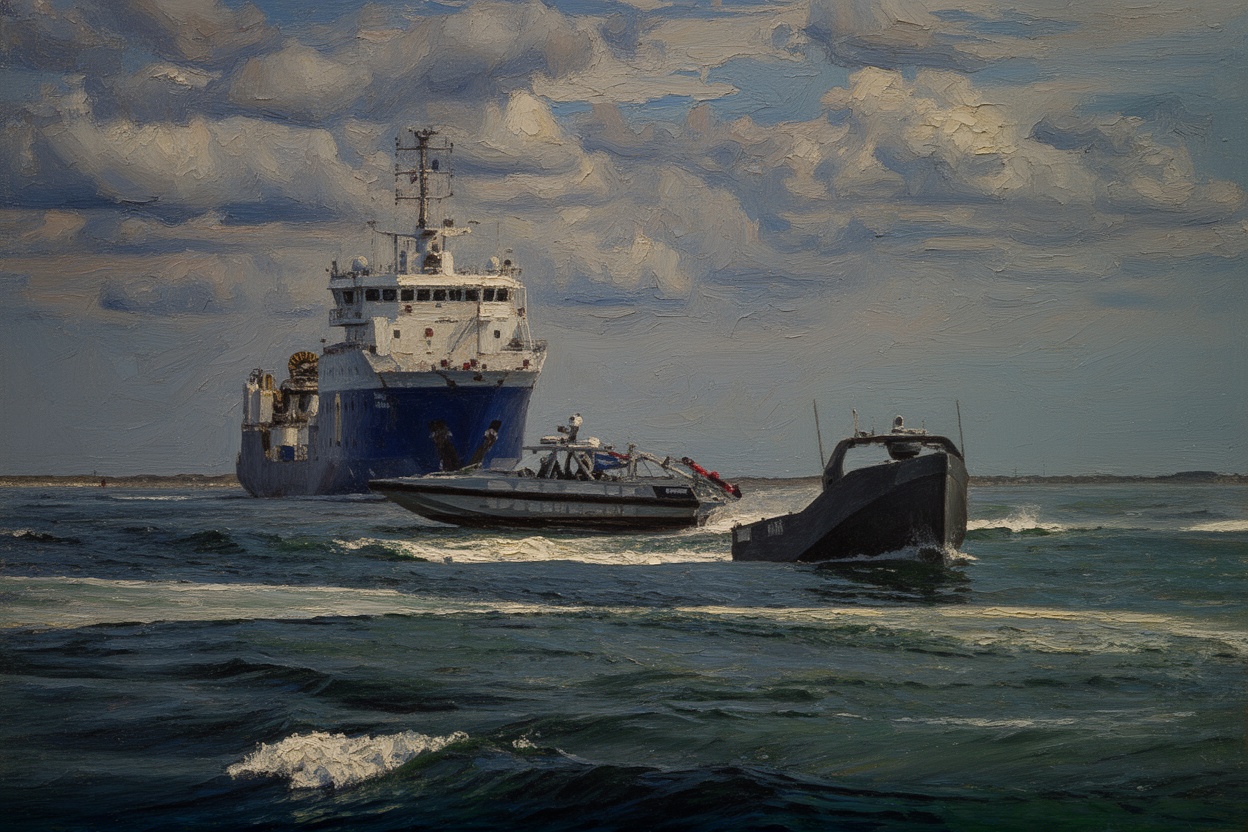
The Royal Netherlands Navy (RNLN) has accomplished a significant milestone by successfully testing a newly developed command-and-control (C2) software system specifically designed for maritime uncrewed systems (MUS). This innovative system enables seamless integration of MUSs with each other and with the combat management system (CMS) on the navy's crewed platforms, dramatically enhancing operational efficiency.
Historically, the need for effective integration of uncrewed systems into naval operations has been paramount. The RNLN's commitment to developing and implementing advanced technologies has led to this successful demonstration of the MUS-focused C2 system. This progressive step marks a strategic evolution in modern naval warfare, responding to the increasing importance of uncrewed systems in maritime security and military operations.
The strategic significance of this development cannot be overstated. Uncrewed maritime systems offer cost-effective solutions for surveillance, reconnaissance, and engagement roles, enhancing situational awareness and operational reach for naval forces. The ability to integrate these systems with existing crewed platforms allows for improved coordination, thus enabling the RNLN to maintain a competitive edge in naval operations.
Technically, the C2 system is designed to facilitate real-time communication and data sharing between uncrewed systems and crewed naval vessels, utilizing cutting-edge technologies. The integration process involved rigorous testing scenarios that validated the software's robustness in high-stakes environments. As a result, the RNLN is poised to enhance its operational capabilities through the effective employment of MUS in various maritime missions.
Looking ahead, this successful integration of uncrewed systems signals a shift towards more automated and technologically integrated naval forces. The RNLN's commitment to adopting innovative solutions will likely inspire other nations to explore similar advancements, anticipating a broader impact on global maritime security dynamics.