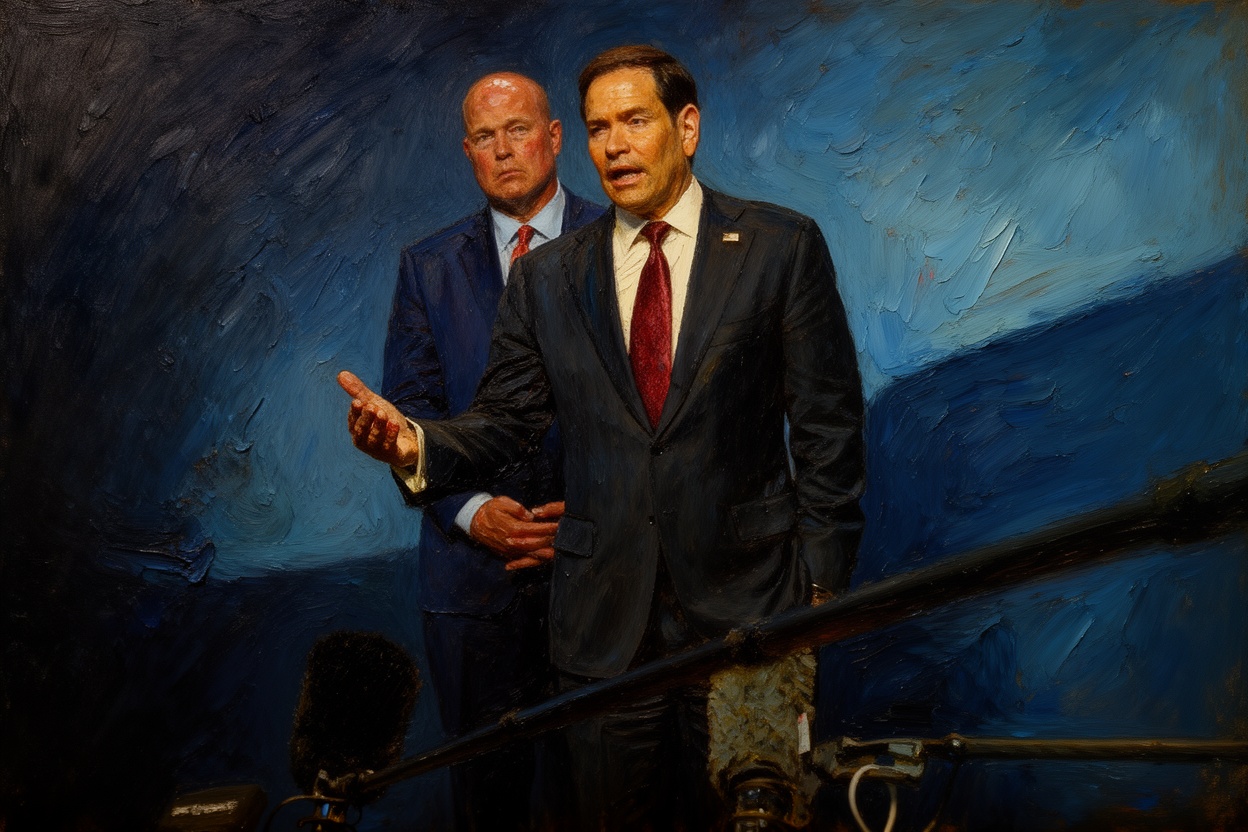
Rubio Casts Doubt on NATO's Relevance at Key Summit
US Secretary of State Marco Rubio raises concerns regarding NATO's effectiveness. This follows significant pushback from key allies against Washington's proposed military operation.
US Secretary of State Marco Rubio has intensified pressure on NATO during a pivotal summit, questioning its relevance and effectiveness in contemporary security dynamics. His remarks come after several key allies displayed reluctance to support the United States' proposed military initiative known as 'Operation Epic Fury'.
Historically, NATO has been viewed as a cornerstone of Western defense strategy. However, Rubio's comments reflect a growing sentiment among some US officials that the alliance is struggling to respond effectively to modern threats, particularly in light of recent military assertions by Russia and China. His call for reevaluating NATO's strategic role highlights a potential shift in Washington's foreign policy priorities.
The implications of such statements are profound. Should NATO allies feel uncertain about the United States' commitment, this could lead to an erosion of trust and solidarity within the alliance. Many European nations have already been grappling with their defense capabilities and military readiness, raising questions about the collective security framework that has underpinned transatlantic relations for decades.
Technical discussions at the summit focused on enhancing military preparedness and burden-sharing among member nations. However, doubts about the US’s long-term commitment to NATO are likely to overshadow operational achievements. 'Operation Epic Fury', intended to bolster Eastern European security, now faces scrutiny, as allies weigh their involvement amid intra-alliance tensions.
As NATO approaches its next summit, likely in 2024, leaders will need to address these concerns directly. Failure to reaffirm a united front could not only weaken NATO’s strategic positioning but also embolden adversaries like Russia, fundamentally altering the current balance of power in the region.