Russia and Ukraine Exchange 205 Prisoners of War Each
The recent prisoner exchange signals a potential thaw in Russia-Ukraine relations. It represents a step towards broader negotiations for future swaps.
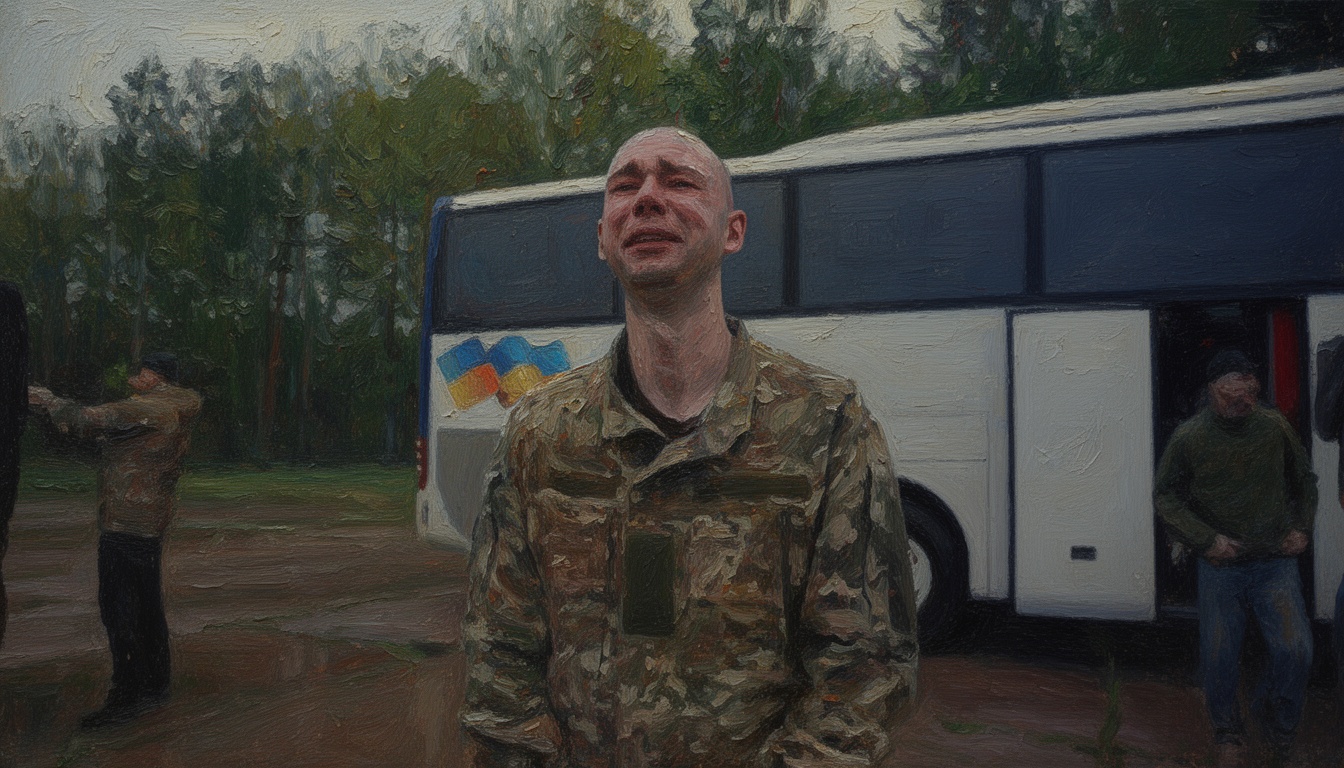
On Friday, Russia and Ukraine conducted a significant exchange, swapping 205 prisoners of war each. This event is part of an agreement stemming from a previously brokered three-day ceasefire earlier this month, which was facilitated by US President Donald Trump. This exchange of prisoners is indicative of ongoing negotiations between the two nations, following a series of conflicts that have heightened tensions in the region.
Ukrainian President Volodymyr Zelenskiy remarked that this prisoner exchange marks the first crucial step towards a larger agreement. Both Ukraine and Russia have agreed to a total swap of 1,000 prisoners of war (POWs) each under the terms of this recent agreement, illustrating a commitment to engage diplomatically despite the ongoing hostilities. This could pave the way for additional negotiations aimed at fostering peace.
The strategic significance of this exchange cannot be understated, as it reflects an effort by both parties to ease tensions and find common ground. Such moves can build trust and lead to more substantial dialogues about resolving longstanding conflicts. The fact that negotiations were initiated by the involvement of US President Donald Trump highlights the geopolitical dimensions of the situation, affecting not only the immediate parties but also involving major global powers.
Operationally, the specifics of the exchanged personnel were not disclosed, but the successful transfer indicates a mechanism has been established for future exchanges. The care taken in executing this exchange reflects the military and diplomatic capabilities of both nations, each keen on securing their respective nationals.
Looking forward, this prisoner swap can have potential consequences for the Russia-Ukraine conflict. If both nations remain committed to negotiations and future exchanges, it could lead to a de-escalation of hostilities and open avenues for discussing broader issues related to the conflict. However, the path to durable peace remains fraught with challenges, and both sides must navigate complex political landscapes to ensure lasting resolutions.