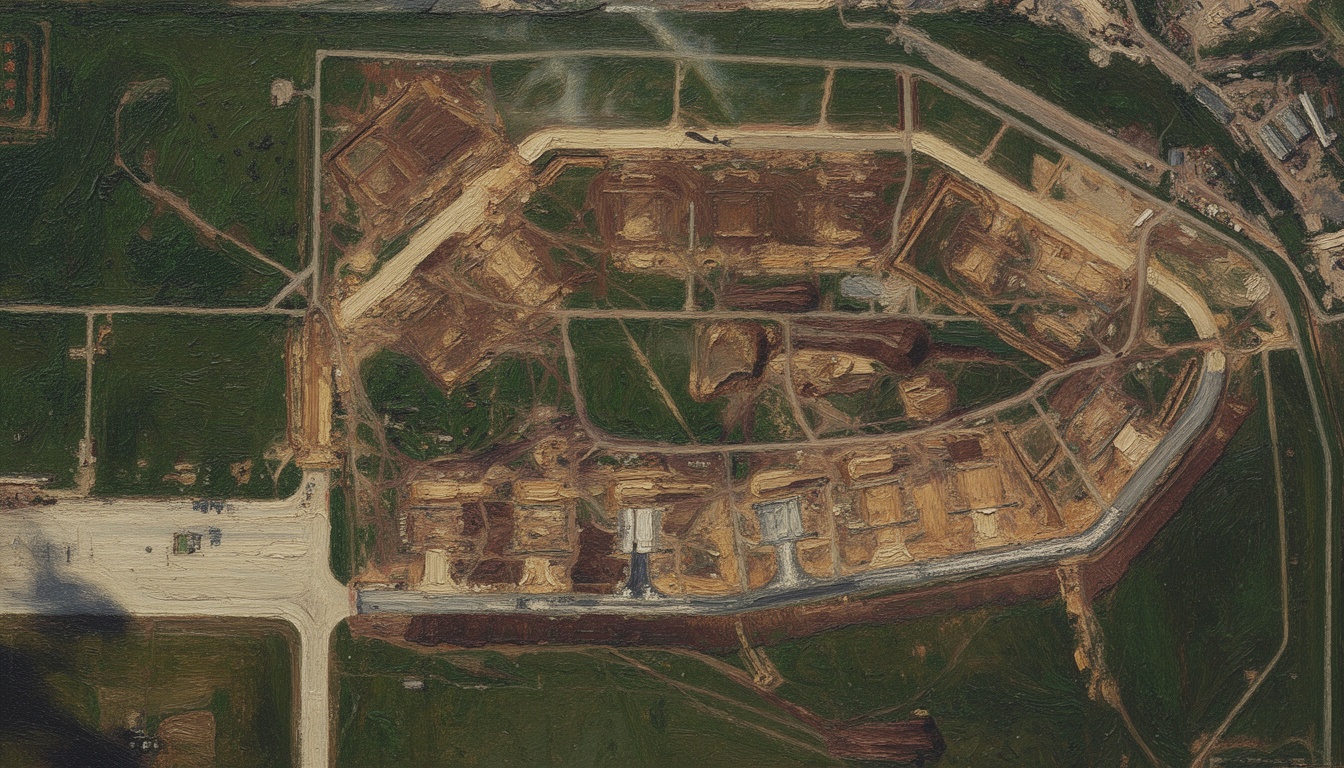
Russia Constructs Shelters for Strategic Bombers at Air Base
Russia's shift in military doctrine to protect its strategic bombers indicates a significant change in defense strategy, marking a departure from previous exposure practices. These developments highlight an emphasis on safeguarding critical assets amidst evolving security threats.
In a notable shift from decades of military doctrine, Russia is constructing substantial protective shelters for its strategic bombers at the Engels-2 air base in the Saratov region. This move addresses a long-standing vulnerability where these vital aircraft were left exposed to threats, signaling a proactive defense upgrade. The specific shelters are designed to enhance the survivability of platforms such as the Tupolev Tu-160 and Tu-95 strategic bombers.
Historically, Russia maintained a doctrine that allowed its bombers to operate without significant physical protection, relying instead on deterrent capabilities. However, this latest development indicates recognition of evolving threats in the international arena, necessitating increased protection for crucial military assets. The Engels-2 air base is pivotal in Russia's strategic aviation operations, making these enhancements particularly important.
The construction of these shelters reveals a strategic pivot likely aimed at fortifying Russia's aerospace defense posture against potential adversaries. By enhancing the security of its strategic bombers, Russia not only safeguards its investment in advanced military technology but also demonstrates a commitment to maintaining a credible deterrent in the current geopolitical climate.
The specific details regarding the design and quantity of shelters remain undisclosed, but the investment reflects an increase in military spending directed toward preserving key capabilities. The Engels-2 base plays a crucial role in the Russian Air Force, hosting a fleet of long-range bombers that can deliver both conventional and nuclear payloads.
The implications of this development could lead to a recalibration of strategic balances in regional power dynamics, potentially instigating responses from neighboring military powers. Enhanced protection for these assets may compel adversaries to rethink their own defense strategies in light of Russia's strengthened capabilities.