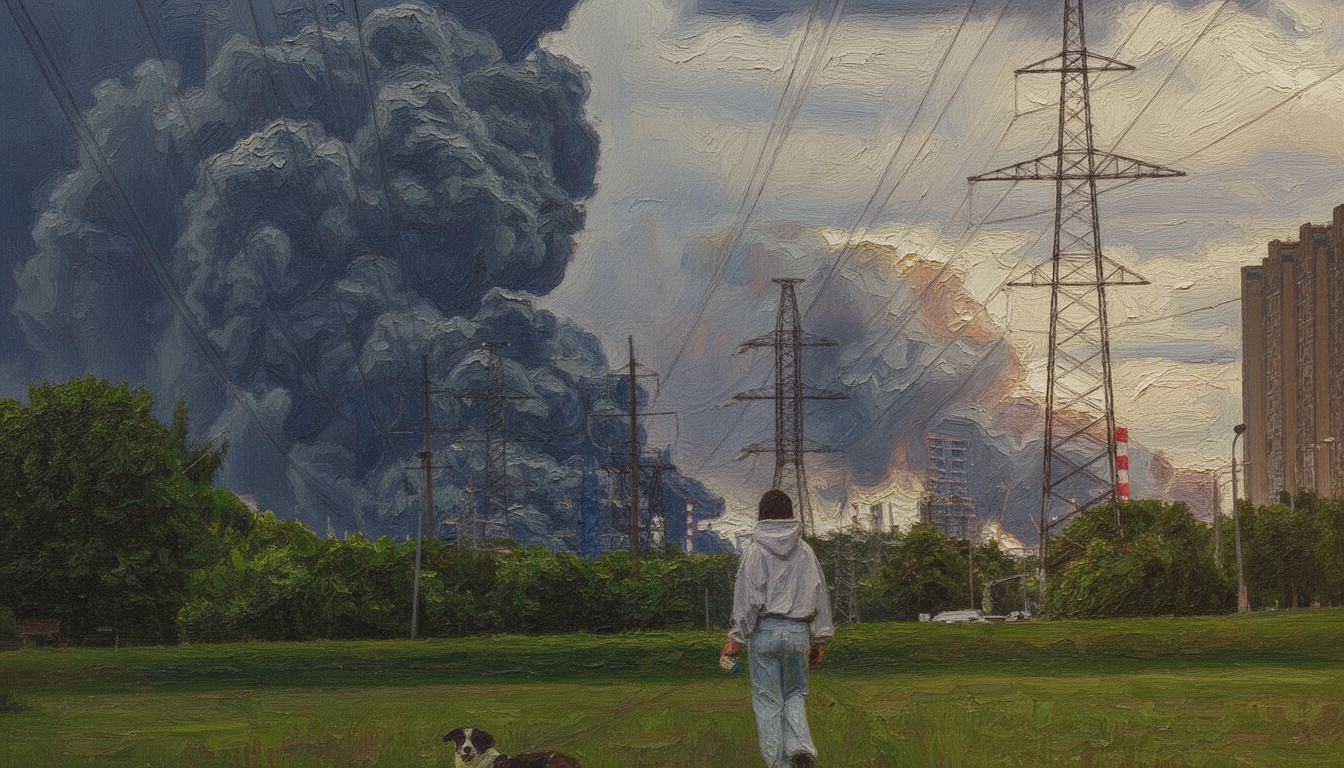
Russia Faces Major Ukrainian Drone Assault, Intercepts 660 Drones
Russia's air defenses intercepted 660 Ukrainian drones during a significant nighttime operation. This marks one of the largest drone assaults since the invasion of Ukraine in 2019, intensifying the ongoing conflict.
Russian air defense systems successfully intercepted 660 Ukrainian drones in a significant nighttime attack that spanned across 12 Russian regions and included targets on the Crimean Peninsula, Black Sea, and Azov Sea. According to statements released by the Russian Ministry of Defense on Friday, this massive operation appears to be one of the largest drone attacks targeting Russia and the annexed Crimea since the onset of the full-scale invasion of Ukraine more than four years ago.
Previous records of drone assaults indicated that the largest Ukrainian attack over the past year occurred on May 17, when 556 drones were reported engaged in military operations. The escalation witnessed now signals a troubling shift in the intensity and scale of Ukrainian drone warfare, presenting new challenges for Russian air defense capabilities.
The strategic significance of this drone attack highlights the evolving landscape of urban warfare, where drone technology allows for increased operational reach and diminished risk to personnel. The Kremlin's acknowledgment of such large-scale aerial threats underscores the need to bolster defensive measures to safeguard critical infrastructure and deterrence against further attacks.
Operationally, the efficacy of Russia's air defense systems in intercepting 660 drones raises questions about the overall effectiveness of its military readiness, particularly considering the sheer number of airborne threats. The technological advancements in drone warfare are increasingly outpacing traditional military responses, necessitating an urgent reassessment of tactics and defense allocations.
Moving forward, the Ukrainian drone capabilities and tactics are likely to continue evolving, leading to a protracted engagement with increased hostilities. This presents potential implications for regional stability and the future trajectory of the Russo-Ukrainian war as engagements become more complex and technologically driven.