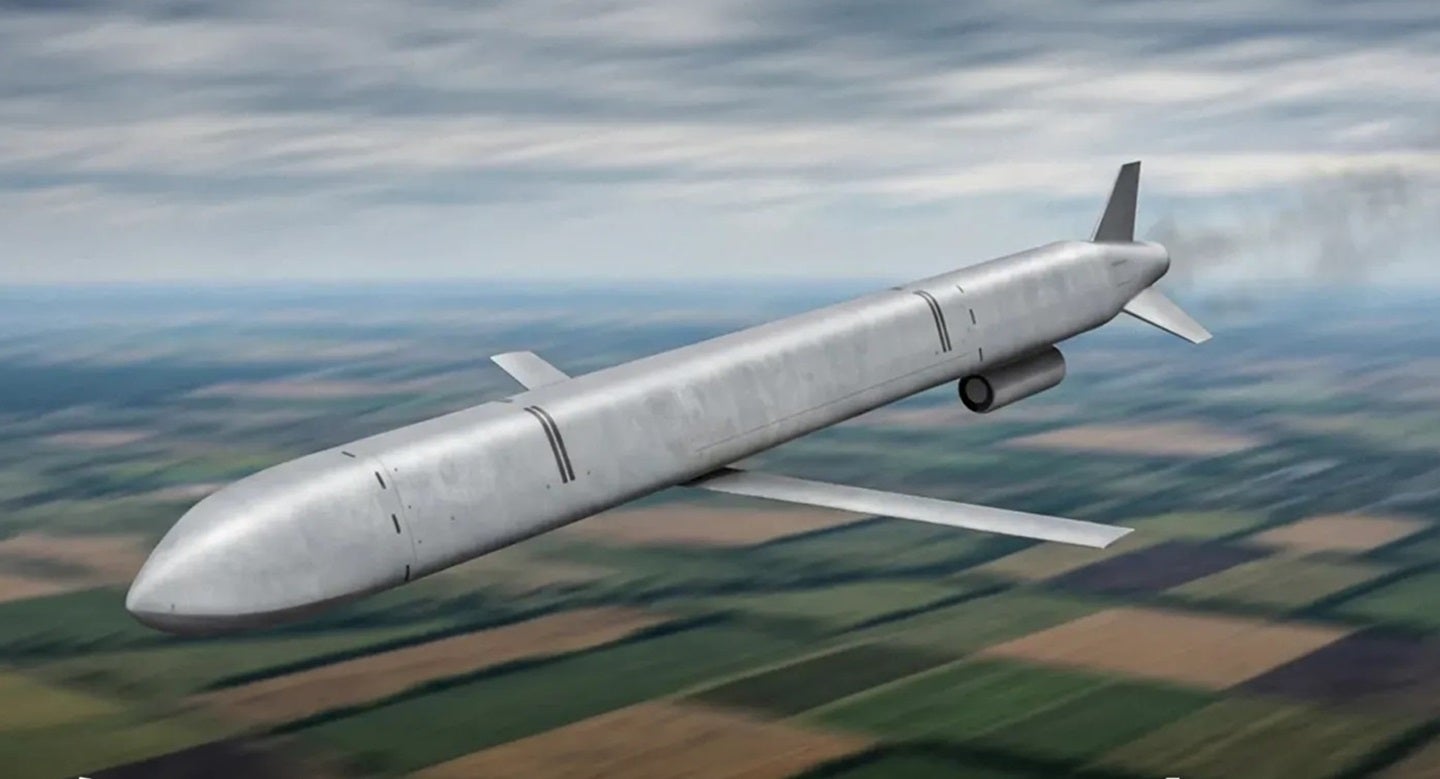
Russia Modifies Kh-101 Cruise Missile for Enhanced Operations
Recent changes to the Kh-101 cruise missile reflect Russia's ongoing military adaptation since the onset of full-scale conflict. These modifications may significantly impact strike capabilities.
Russia has implemented four significant modifications to the Kh-101 cruise missile since the beginning of full-scale warfare in Ukraine. These changes are designed to increase the missile's effectiveness in a series of hybrid assault operations, which have become more frequent during the conflict. The Kh-101 has been a critical asset for Russia, employed extensively in strikes against various targets.
Background context indicates that the Kh-101 missile, a stealthy air-launched weapon, has undergone updates aimed at enhancing its precision and targeting capabilities. Modifications likely include upgrades to its guidance systems and warhead options, enabling a broader range of tactical responses. The use of the Kh-101 in recent operations shows its importance in Russia's military strategy.
The strategic significance of these changes is profound. By modifying the Kh-101, the Russian military may aim to improve its operational efficiency and strike more effectively against Ukrainian infrastructure and military assets. The missile’s advancements come at a time when the effectiveness of existing munitions is under scrutiny, and enhanced precision may alter engagement dynamics.
Technical details reveal that the Kh-101 cruise missile is equipped with a range of approximately 3,000 kilometers and can carry a payload of up to 400 kilograms. The missile is known for its low observable features, allowing it to penetrate complex air defense systems. These modifications are anticipated to make the Kh-101 an even more formidable component of Russia's arsenal.
Looking ahead, the potential consequences of these adaptations could change the course of ongoing engagements in Ukraine. With upgraded capabilities, the Kh-101 may facilitate more aggressive operational strategies for Russian forces, intensifying the conflict. This development reflects a broader trend of military adaptation amid the evolving landscape of warfare.