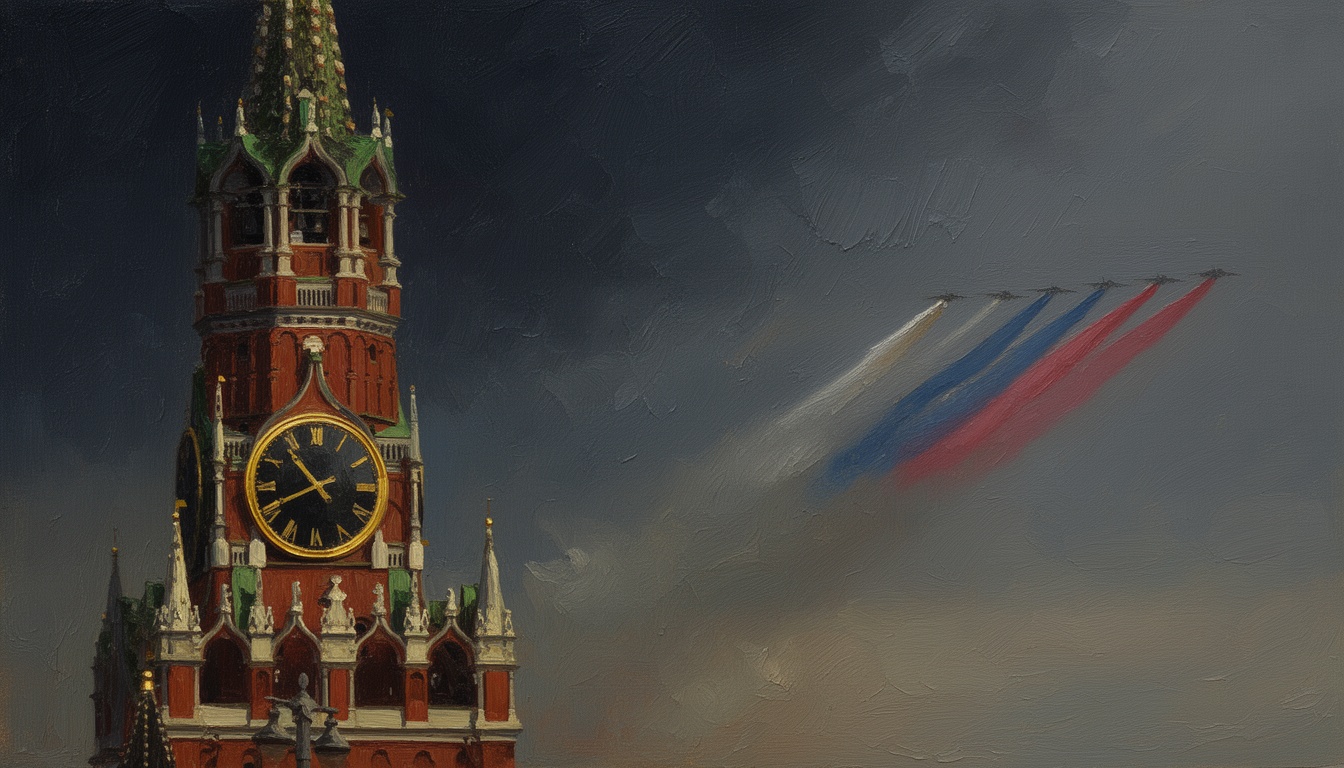
Russia Scales Down Victory Parade Amid Ukraine Conflict
Russia's unilateral ceasefire faltered as hostilities escalate with Ukraine. This is the first time in nearly 20 years Russia has reduced its Victory Day parade scale.
For the first time in almost two decades, Russia was forced to reduce the scale of its Victory Day parade due to escalating tensions with Ukraine. The parade, a significant display of military might held annually on May 9, commemorates the defeat of Nazi Germany in World War II. This year's celebrations were deeply impacted by the renewed conflict, as both Ukraine and Russia launched major military offensives against each other.
The ceasefire declared by Russia on May 8, the eve of its Victory Day, collapsed almost immediately, leading to a return to intense military operations. Russia's Ministry of Defense confirmed that units involved in the parade rehearsals were redirected to support ongoing military actions. The comprehensive display of military hardware and personnel normally seen during the parade will now be significantly reduced, reflecting the harsh realities of the ongoing conflict.
Strategically, this unprecedented reduction symbolizes not only the military pressures faced by Russia but also its diminishing public resolve amidst a protracted war. The Victory Day parade traditionally serves as a moment of national pride, showcasing Russia's military capabilities to both domestic and international audiences.
In terms of operational details, typical displays would have included thousands of troops, advanced weaponry such as T-14 Armata tanks, and flyovers by Su-57 stealth fighters. However, the planned numbers will be cut significantly to prioritize resources for active combat operations as Ukraine continues to mount a vigorous defense.
As a result, this alteration may impact public sentiment and the Kremlin's narrative regarding the war. The necessity to scale down the parade underscores the realities of ongoing engagements and could signal changing military priorities for Russia moving forward into the expected summer offensive against Ukrainian forces.