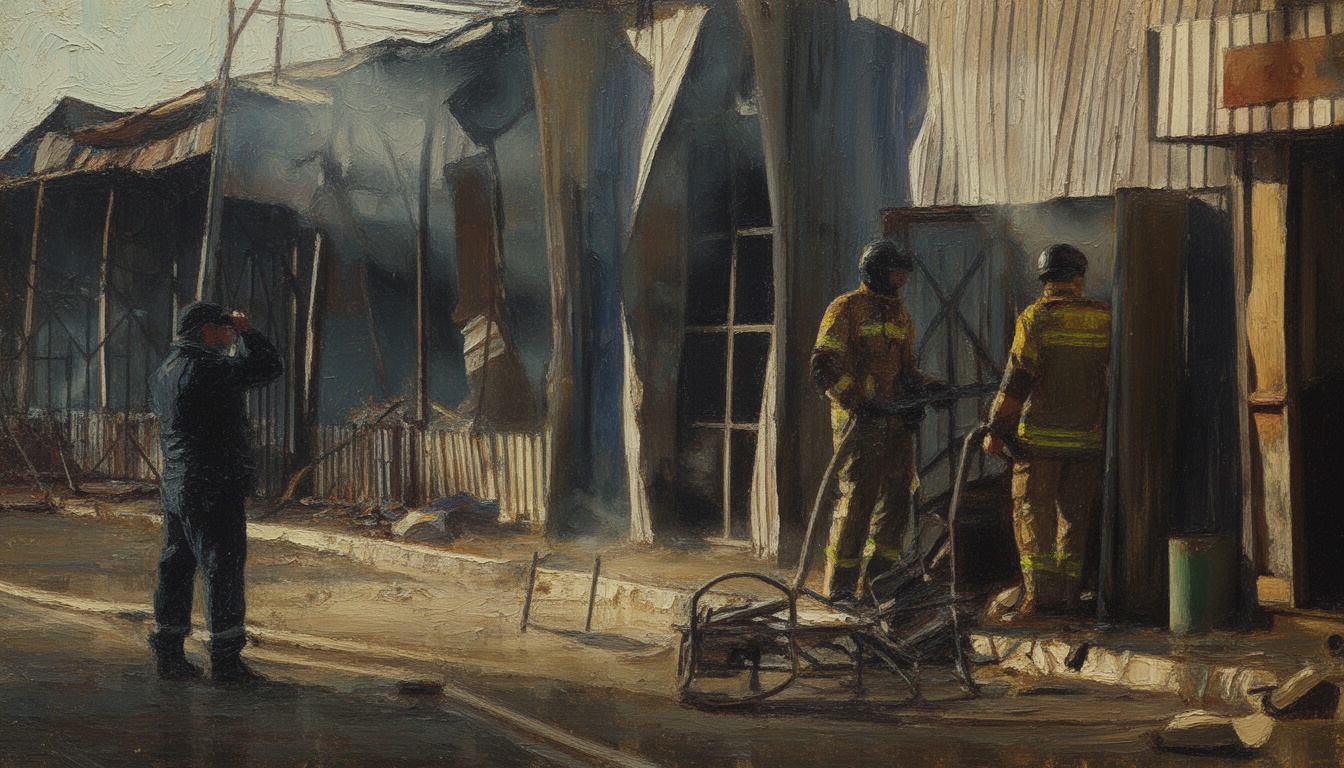
Russian Missile Interception Rate Drops to 70% in Ukraine
Ukraine's air defense struggles against advanced Russian missiles as civilian casualties rise.
A recent report indicates that Ukraine's air defense has seen a significant decline in its ability to intercept Russian missiles, with the success rate dropping from approximately 90% in March to between 70% and 75% currently. This revelation follows a deadly barrage of ballistic missiles and drones launched by Russia overnight, resulting in the deaths of at least 10 civilians, including children. The air force of Ukraine reported that it successfully intercepted 55 missiles and 265 drones in the latest assault, but noted persistent challenges in managing advanced ballistic missile systems used by Russia.
Contextually, the reliance on advanced missile technology has markedly changed the dynamics of the conflict. Russia's strategy appears to include an increased deployment of sophisticated weapons, making them more difficult for Ukrainian forces to counter effectively. According to Patrick Bury, a former British Army captain and an expert at the University of Bath, the drop in interception rates reflects the evolving landscape of the battlefield, primarily influenced by the upgrade in Russian missile systems.
Strategically, this development highlights the urgent need for Ukraine to bolster its air defense capabilities, especially against ballistic missiles that pose a high threat to civilian infrastructures. The Russian military's aggressive use of such technologies aims not only to undermine Ukrainian military responses but also to instill fear among the civilian population, aiming to break morale as well as operational capacity.
In technical terms, the shift to lower interception rates could prompt Ukraine to seek enhanced defense systems, potentially from allies. Investments in technologies such as the Patriot missile defense system or other advanced interception frameworks may be required to counter this new phase of Russian aggression. The current operational landscape demands an agile and adaptive air defense strategy to address the changing specifications and sophistication of incoming threats.
Looking ahead, if the interception rates do not improve, the consequences could be far-reaching, leading to more civilian casualties and destruction of infrastructure. Additionally, as Russia increases its missile capabilities, Ukraine's vulnerability may compel further international military assistance, deepening its reliance on external defense support in the ongoing conflict.