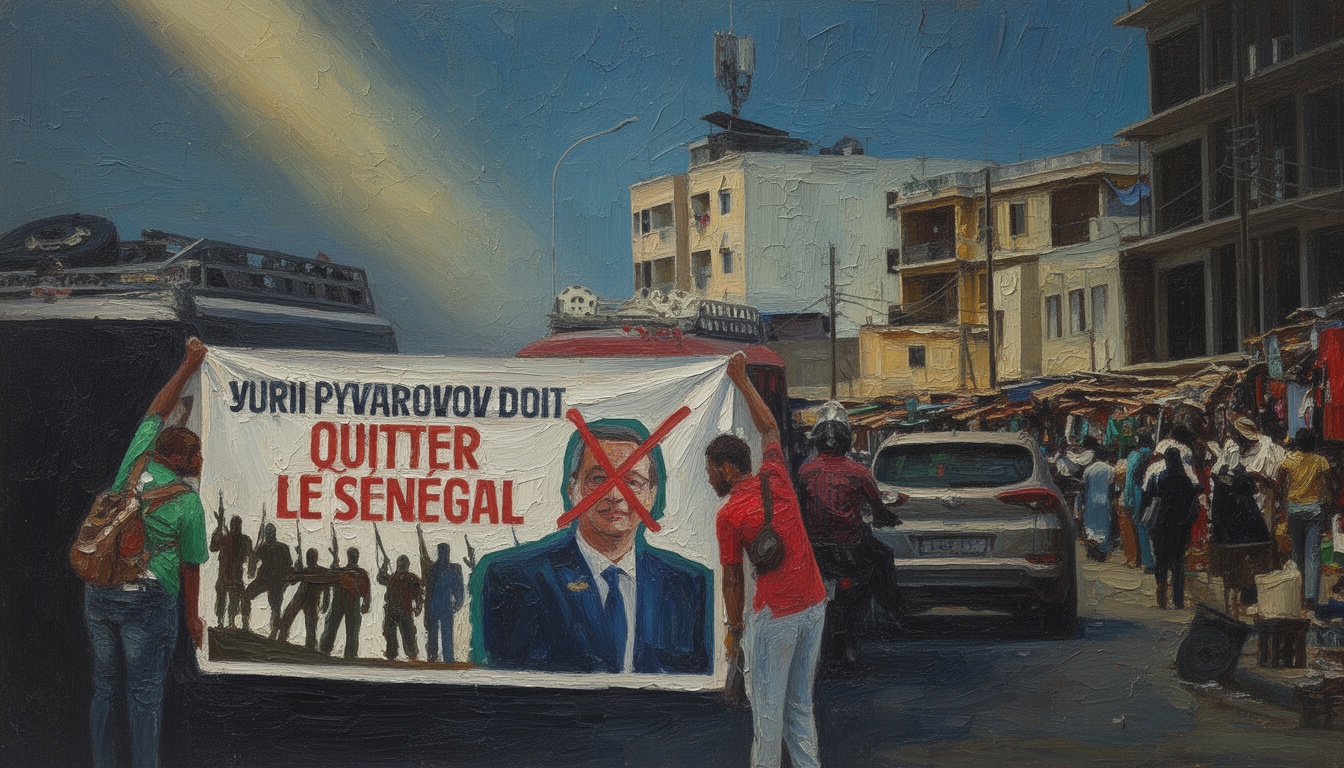
Russia's Covert Propaganda Operation in Africa Exposed
Recent leaks reveal Russian influence in African media narratives. This operation spans several countries, aiming to shape public opinion in the region.
A recent leak of confidential documents has unveiled a systematic operation by Russian agents to plant articles within French-speaking media outlets across West and Central Africa. Investigative teams traveled to Dakar, Senegal, to explore the extent of this clandestine initiative, which reportedly involves hundreds of articles strategically disseminated to influence local narratives. This operation underlines a growing trend of foreign interference in African media, with potential implications for regional stability and information integrity.
Background context indicates that this initiative is part of a broader strategy to extend Russian soft power in Africa, leveraging media as a tool for shaping perceptions and narratives. Countries such as Senegal, Ivory Coast, and Cameroon are part of the targeted media landscape, suggesting a calculated effort to engage with audiences that are critical to geopolitical interests. The reach of this propaganda operation raises concerns about the integrity of information consumed by the public in these regions, highlighting potential vulnerabilities in media independence.
The strategic significance of this operation cannot be understated. As Russia seeks to bolster its influence on the African continent amidst declining Western sway, strengthening its media footprint is pivotal. By embedding itself in local narratives, Russia could potentially alter public perceptions regarding its geopolitical ambitions, create favorable conditions for its presence, and counterbalance Western narratives. The ramifications extend beyond cultural influence, posing risks to democratic processes and stability in these nations.
The operational details reveal a multifaceted approach involving not just traditional print media but also digital platforms. The exact numbers of articles and the specific outlets involved remain undisclosed, but the coordination between Russian agencies hints at a sophisticated and well-funded operation. Such methods reflect a deeper trend of utilizing media as an instrument of strategic influence, reminiscent of tactics seen in other geopolitical spheres.
Likely consequences include heightened scrutiny of media practices in West and Central Africa, which may prompt governments and civil society to reevaluate their media landscapes. Awareness of Russian propaganda efforts could inspire countermeasures and lead to a push for greater media independence and resilience against foreign interference. The prospects for local media present both a challenge and an opportunity for fostering a more informed citizenry amidst global geopolitical tensions.