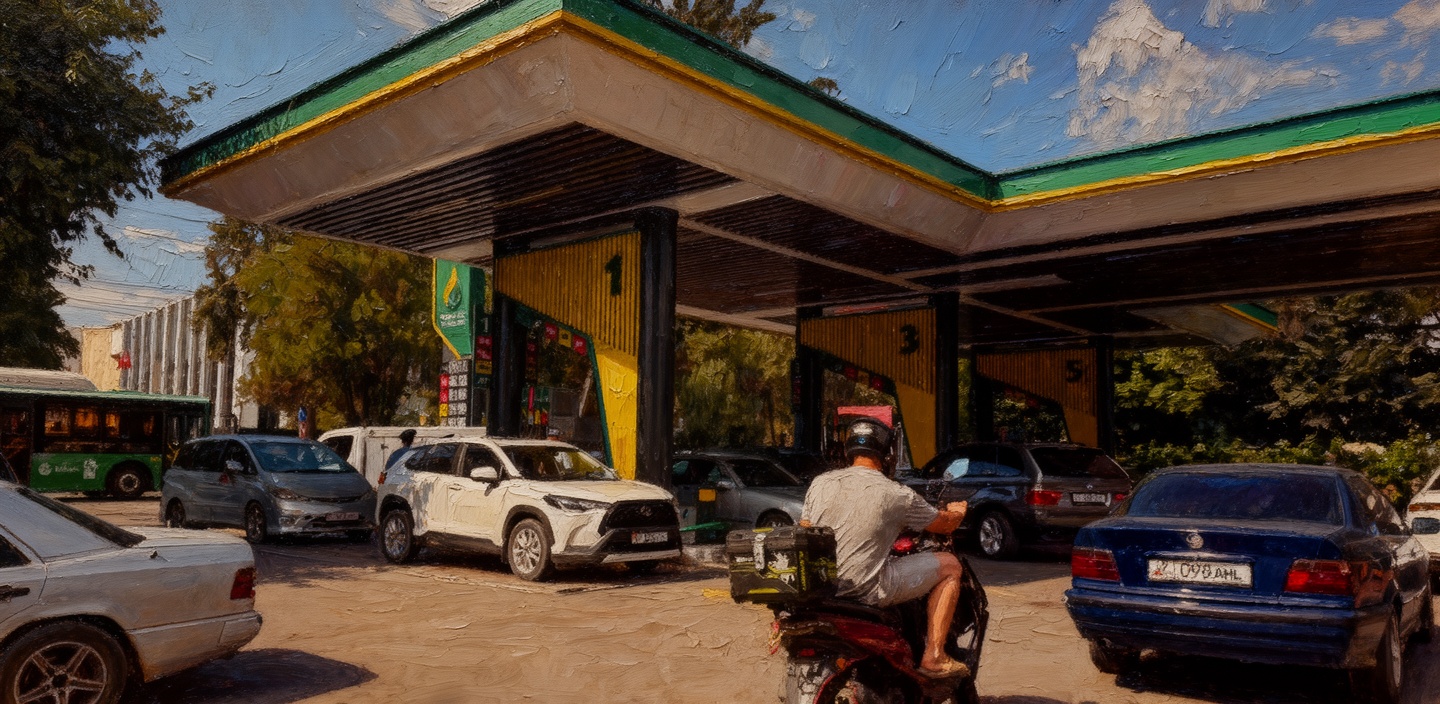
Russia's Fuel Crisis Escalates Tensions in Central Asia
The ongoing fuel crisis in Russia is impacting energy supplies across Central Asia. As drone strikes continue, regional security dynamics are shifting significantly.
Russia's escalating fuel crisis is beginning to have significant repercussions in Central Asia, affecting nations like Kazakhstan and Kyrgyzstan. As energy supplies dwindle, local economies are facing severe strain, leading to increasing concerns among neighboring states regarding their own energy security and political stability.
The background of this crisis lies in Western sanctions imposed on Russia following its military actions in Ukraine, which have severely impacted the Russian economy and its ability to produce and export fuel. Central Asian republics, heavily reliant on Russian energy supplies, are now caught in a precarious position as they seek alternatives without provoking Moscow.
Strategically, this situation is reshaping alliances and partnerships within Central Asia. Countries such as Uzbekistan are exploring deeper ties with China and other regional powers to diversify their energy sources. Simultaneously, the rising tensions could potentially lead to instability, as the affected nations may react defensively against perceived threats from Russia.
Operationally, the drone strikes in the region have introduced a new layer of conflict, further complicating an already volatile energy situation. Reports indicate that both Russia and its adversaries are increasingly using drone technology for reconnaissance and attacks, expanding the conflict's reach and implications. As a result, infrastructure and supply chains in Central Asia are under threat from both internal strife and external military operations.
In terms of future consequences, this crisis could lead to significant political and economic shifts in Central Asia. As nations pivot to alternative energy sources and reassess their geopolitical alignments, the potential for conflict may rise. Countries might engage in competitive maneuvering for resources, placing them on a collision course that could threaten regional stability in the months ahead.