Russia's Victory Day Parade Without Tanks Signals War Challenges
The absence of military hardware at Russia's Victory Day parade indicates potential setbacks in the Ukraine conflict. This year's event, focused on personnel rather than displays of military power, raises concerns over the Kremlin's strategic objectives.
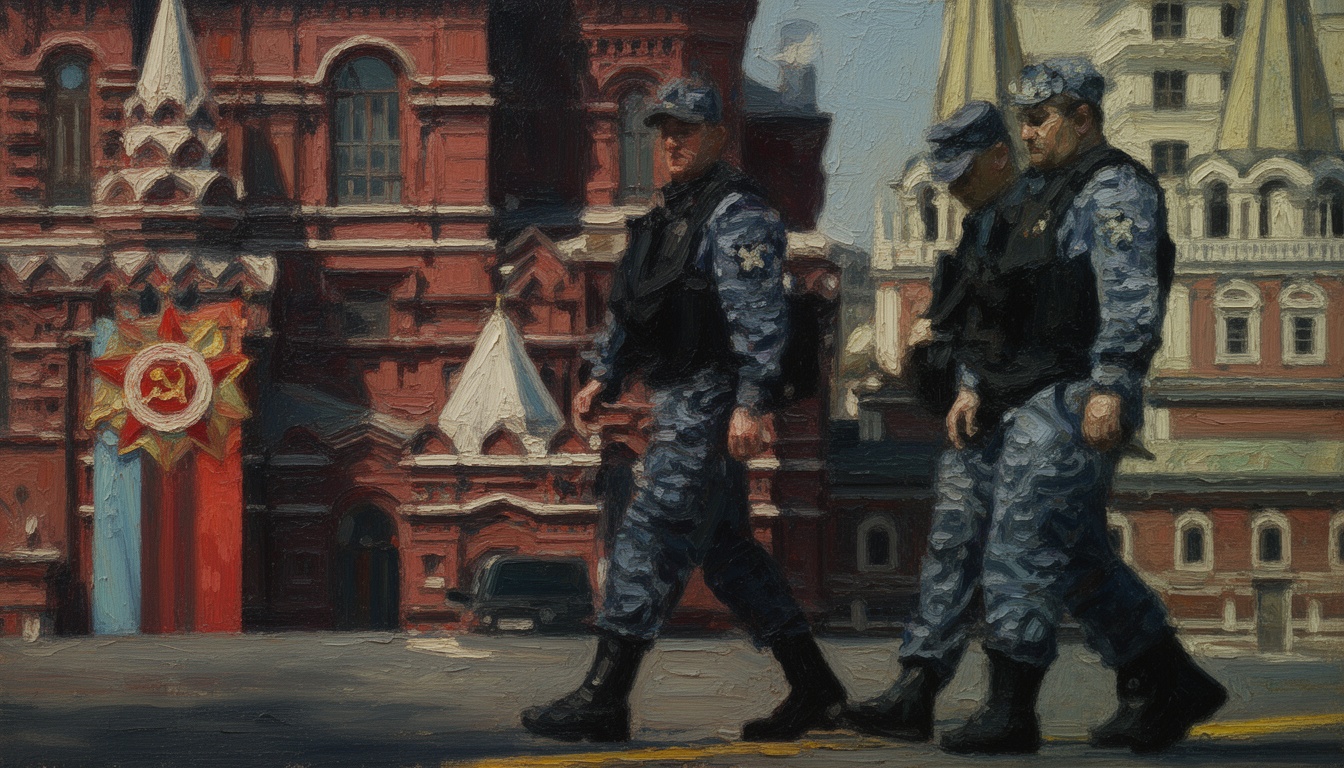
For the first time in nearly two decades, Russia's annual Victory Day parade in Moscow will witness a significant alteration: no military hardware, specifically tanks, will be displayed. This decision reflects the ongoing challenges Russia faces in its military campaign in Ukraine, where heavy losses and logistical issues have hindered operations. The parade, scheduled for Saturday, will instead showcase soldiers, marking a stark shift in approach and presentation, symbolizing that the war is not proceeding as planned.
Historically, the Victory Day parade has served as a platform for Russia to display its military prowess, featuring an array of tanks, missile systems, and various military assets. The absence of such hardware this year can be interpreted as a signal of the Kremlin's struggles to maintain its narrative of strength and victory, particularly as reports of setbacks and casualties continue to emerge from the frontlines in Ukraine.
Strategically, the lack of tanks and military equipment during this significant national celebration may undermine public perception of the military's effectiveness and readiness. As Russia faces ongoing international scrutiny and internal dissent regarding the conflict, the parade's emphasis on personnel rather than weaponry suggests a retreat from showcasing military strength and a focus on the human element of the Armed Forces.
In terms of operational implications, the absence of armored units like the T-90 or T-80 tanks at the parade signals ongoing logistical challenges faced by the Russian military. Observers are noting that the inability to present substantial military hardware reflects both a practical limitation as well as a strategic decision that could impact morale among the troops and the public.
As the situation in Ukraine evolves, the ramifications of this year's Victory Day parade will likely resonate beyond ceremonial significance. The reduction in military displays may indicate a broader shift in Russia's perception of its military capabilities, and potentially shape future engagements in the region as the Kremlin re-evaluates its strategic goals.