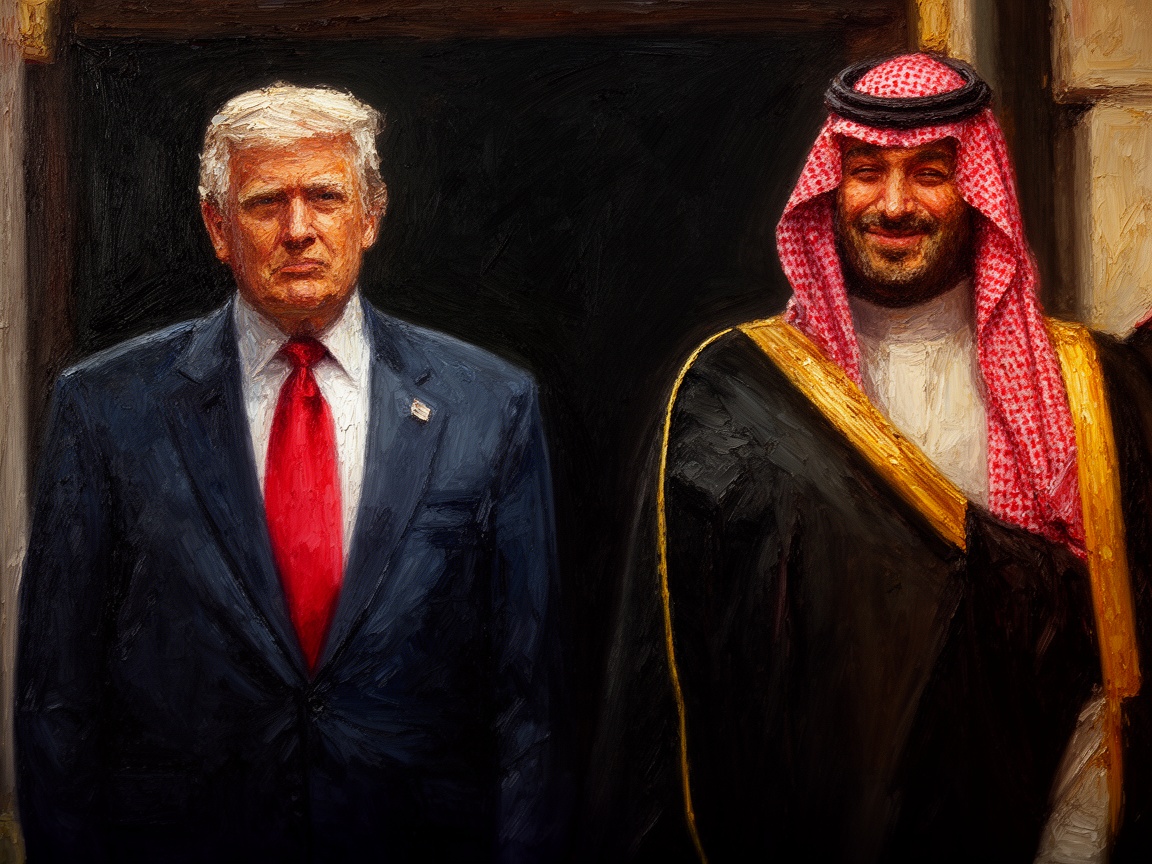
Saudi Crown Prince Calls for Dialogue in US-Iran Tensions
Saudi Crown Prince Mohammed bin Salman (MBS) has urged US President Donald Trump to prioritize diplomatic efforts in addressing escalating tensions with Iran. This statement follows Trump's temporary halt of military strikes against Iran.
In a strategic move, Saudi Crown Prince Mohammed bin Salman (MBS) has called on US President Donald Trump to prioritize dialogue regarding the escalating conflict with Iran. This appeal comes after Trump's prior threats to use unprecedented military force against Iran, which raised concerns about a potential war in the Middle East.
The context of this appeal is significant given the complex geopolitical landscape where Saudi Arabia and Iran have been regional rivals for decades. The tensions have intensified following various incidents, including drone attacks against Saudi oil infrastructure attributed to Iranian forces and retaliatory threats from the US. Diplomatic channels have often been strained, highlighting the need for dialogue.
The strategic implications of MBS's request hold weight as Saudi Arabia has a vested interest in stabilizing the region to protect its oil interests and maintain its relationship with the United States. Effective communication between the US and Iran could prevent further military escalation and ensure a balance of power in the region.
Technically, MBS's statement signals a potential shift in Saudi Arabia's approach, advocating for diplomacy over military confrontation. As both nations harness various military capabilities, including missile systems and naval assets, the focus on dialogue could reshape future interactions. The US has previously deployed naval strike groups in the Gulf, reflecting its military readiness in response to Iranian threats.
Consequently, if Trump heeds the request for dialogue, it might lead to a de-escalation of tensions and a reevaluation of aggressive postures on both sides. This could open avenues for negotiations and potentially reduce the likelihood of a larger conflict engulfing the Middle East.