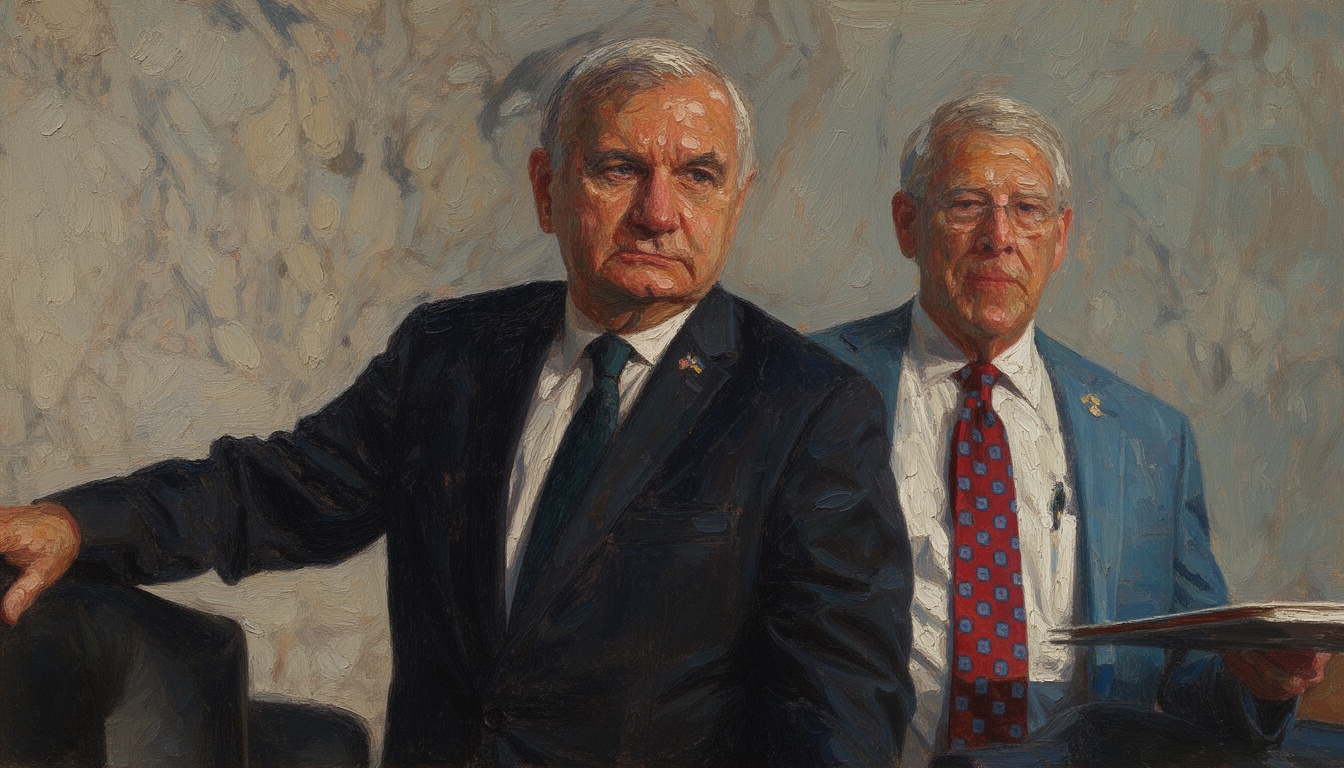
Senate Democrats Block NDAA Over Iran War Concerns
Senator Jack Reed warns resolution of budget is crucial for rapid NDAA revival. Legislative tension grows amid concerns over Iran's military influence.
Senate Democrats have effectively blocked the National Defense Authorization Act (NDAA) due to escalating concerns regarding military actions related to Iran. Lawmakers have raised alarms about the potential implications of any engagement, causing significant legislative friction. This development reflects deeper anxieties surrounding U.S. military strategy and resource allocation.
The Senate Armed Services Committee's (SASC) Ranking Member, Senator Jack Reed of Rhode Island, emphasized the importance of resolving budgetary issues, describing it as the most "practical step" to advance legislative goals. Reed suggested that should conditions improve, lawmakers might be able to "revive" the legislation swiftly. This calls into question the current political climate and cooperation levels among Senators.
Strategically, the delay in the NDAA may impact military readiness and funding for critical operations as U.S. policymakers grapple with external threats, particularly from Iran. Concerns persist that a protracted stalemate could hinder U.S. responses to geopolitical challenges.
From a technical perspective, the NDAA outlines critical military budgets, procurement programs, and personnel decisions essential for the U.S. Armed Forces. Current projections had anticipated a budget allocation of approximately $886 billion for fiscal year 2024, which is now in jeopardy without swift resolution among lawmakers.
The potential blocking of the NDAA could have repercussions for national defense priorities and international military engagements. As tensions with Iran remain high, timely funding for military operations and modernization becomes even more critical. Without a functional budgetary resolution, the U.S. may find itself constrained in its defense capabilities and response strategies going forward.