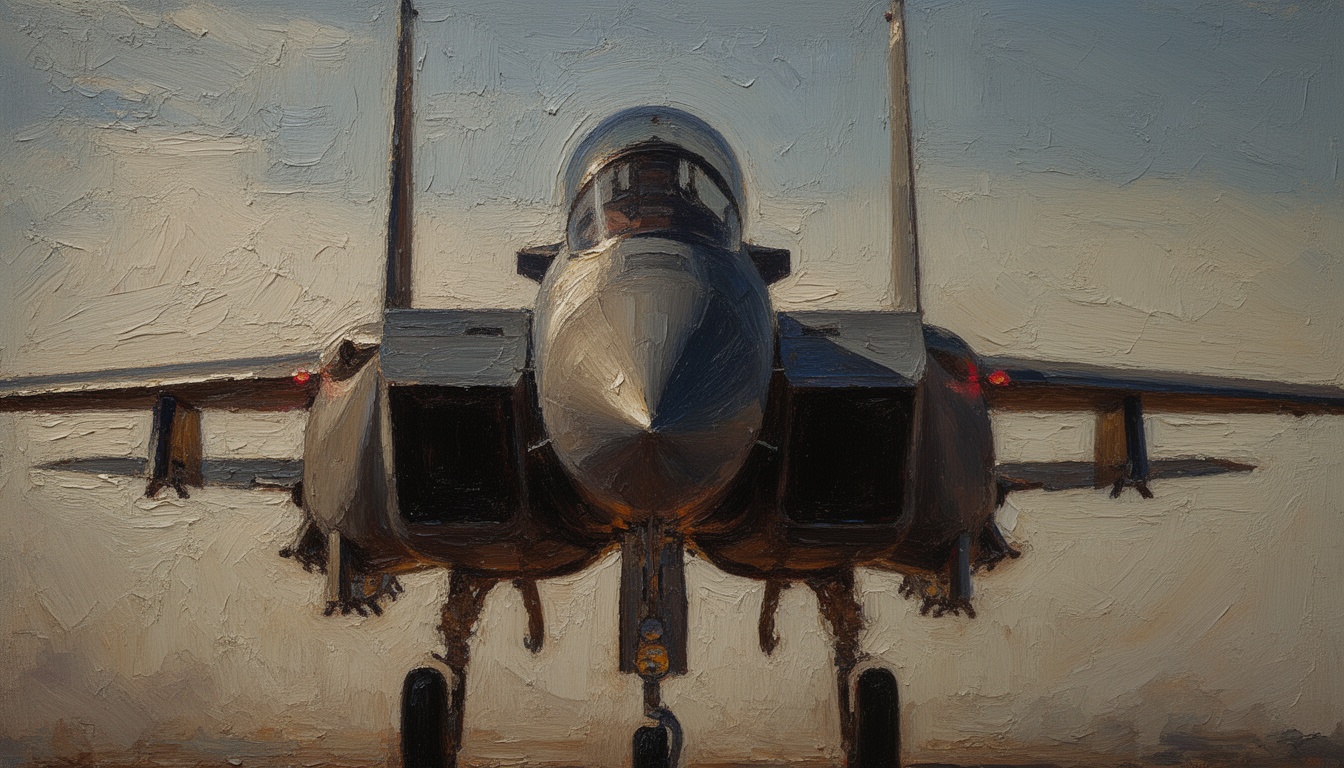
Senator Budd Proposes Multiyear Buys for F-35 and F-15EX
Senator Ted Budd advocates for fighter jet procurement in upcoming defense bills, aiming to enhance U.S. airpower and pilot retention. His proposals come as part of a broader strategy to address military readiness.
Senator Ted Budd of North Carolina has introduced a series of bills aimed at significantly increasing the inventory of fighter jets, notably the F-35 Lightning II and F-15EX Eagle II. These multiyear procurement proposals are intended to bolster U.S. airpower capabilities, ensuring that the military maintains a technological edge in the increasingly competitive global defense landscape.
In recent years, the U.S. has faced challenges related to pilot retention and aircraft availability, which have been exacerbated by a growing demand for air support in various theaters of operation. Budd's legislative push seeks to address these issues by securing funding for new fighter jet acquisitions, thereby expanding the operational capacity of the U.S. Air Force.
The strategic importance of maintaining a robust fleet of advanced fighter jets cannot be overstated. The F-35, which is considered one of the most technologically advanced multirole stealth fighters, plays a crucial role in modern warfare. Meanwhile, the F-15EX offers enhanced capabilities for air superiority and strike missions, complementing the F-35's advanced features.
In terms of operational readiness, Secretary of the Air Force Frank Kendall has previously noted that the current fleet is facing increasing strain, affecting mission availability rates. Budd’s proposals aim to alleviate these pressures by ensuring a sustainable pipeline of new aircraft, potentially leading to improved pilot training and increased sortie rates.
Looking ahead, if these proposals are successfully integrated into the National Defense Authorization Act (NDAA), it could mark a significant shift in U.S. military procurement policies, potentially setting a precedent for more aggressive expansion of air combat capabilities in response to global threats. This could also signal to adversaries that the U.S. is committed to maintaining its air superiority and readiness levels amidst rising geopolitical tensions.